
Trump Proposes Tariff Relief on Beef Imports to Combat Soaring US Meat Prices
The 90-day order expands lower-duty quotas for lean trimmings, but ranchers warn it undermines American producers already struggling with historic supply shortages.

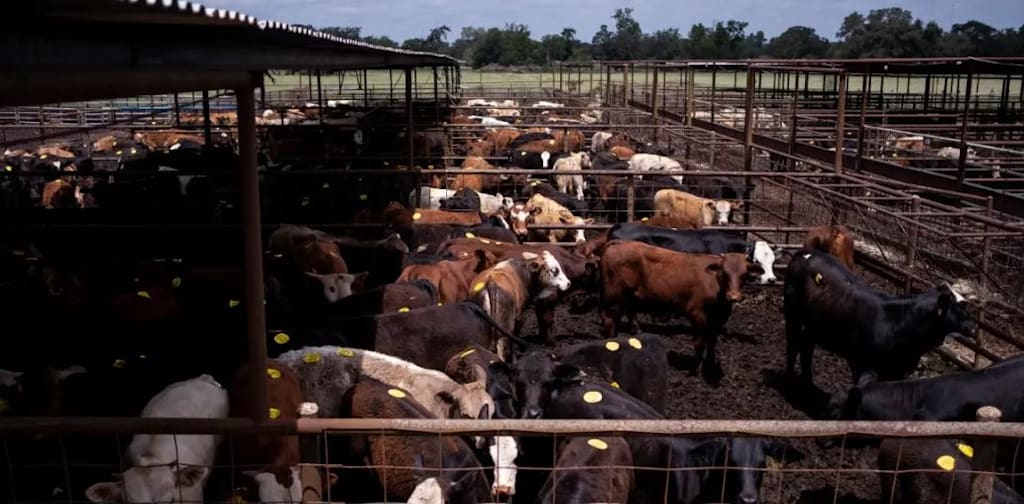
President Donald Trump signed a proclamation on Wednesday that temporarily increases the volume of lean beef trimmings eligible for importation at a reduced tariff rate. The executive action, which takes effect on September 1 and remains in force for 90 days, is designed to ease the financial strain on American consumers who have been grappling with record-high beef prices at grocery stores and butcher counters across the nation.
According to a fact sheet released by the White House, the order expands the lower-tariff quota by an additional 300,000 metric tonnes. The trimmings covered by this measure are intended specifically for blending with domestic beef to produce ground beef, a staple product that accounts for a significant portion of household meat consumption. To further incentivise cost savings, the administration has encouraged suppliers to offer these imports at a roughly 25% discount relative to current market rates. The official justification for the move, as stated in the proclamation, is that beef prices have "increased unreasonably" for US consumers, creating an urgent need for temporary supply-side intervention.
The backdrop to this decision is a deeply challenging period for the American beef industry. Over the past year, shoppers have watched ground beef and steak prices climb to unprecedented levels, driven by a confluence of severe weather events and agricultural disruptions. Prolonged drought conditions across key cattle-producing states have ravaged grazing lands, while devastating wildfires have further depleted herds. These environmental pressures have pushed national cattle supplies to their lowest point in 75 years, constricting output and forcing packers and retailers to pass higher costs onto end-users. The administration argues that the temporary tariff relief offers an immediate bridge solution, injecting additional volume into the market while domestic ranchers work to rebuild their herds, a process that inevitably takes several years.
However, the proclamation has not been well received by America’s agricultural heartland. The American Farm Bureau Federation, the nation’s largest and most influential farm lobbying organisation, swiftly voiced its disapproval. In a letter addressed to the President prior to the signing, the Bureau warned that the lower tariff rates would "undermine America's ranchers" at a time when they are most vulnerable. Farm groups contend that flooding the market with cheaper foreign trimmings depresses local wholesale prices, reducing the financial returns that producers desperately need to recover from drought-related losses. They argue that short-term consumer relief comes at the expense of long-term domestic production viability, and that reliance on foreign supply chains undermines the strategic independence of the US food system.
This is not the first time the administration has resorted to such measures. In February of this year, President Trump enacted a similar expansion of lower-tariff imports specifically for Argentinian beef. That decision also drew sharp criticism from domestic ranchers, who accused the government of prioritising foreign suppliers over American family farms. The recurrence of this policy approach suggests a clear pattern: when domestic price pressures intensify, the administration is willing to override producer objections in favour of immediate consumer-centric interventions.
Complicating the supply equation further are the administration's own restrictions on livestock imports from Mexico, imposed to combat the spread of New World screwworm, a parasitic infestation that poses a severe threat to warm-blooded animals. These biosecurity measures have, in effect, tightened domestic availability by limiting the flow of live cattle from across the southern border. This week, however, the US began a phased reopening of some livestock ports of entry along the border, signalling a tentative balancing act between disease control and supply normalisation. Industry observers note that the success of the new tariff quota will depend heavily on how quickly these ports fully resume operations and whether global exporters can meet the increased quota in a timely manner.
Looking ahead, the 90-day window of the proclamation places the beef sector in a state of flux. While consumers may benefit from modest price moderation in the short term, the long-term outlook remains clouded by fundamental herd economics. Environmental recovery, feed costs, and the pace of herd expansion will ultimately determine whether US beef prices stabilise on their own. For now, the order stands as a contentious but calculated gamble one that seeks to buy time for both American households and the cattle industry, even as it deepens the rift between the administration and its agricultural base.
About the Creator
Mark Lim
Hi I am mark an automotive student and a car, tech and food enthusiast ! Im gonna try and post daily & hope you enjoy what I write and do share my page with people you know. I would gladly appreciate it! Cheers
Enjoyed the story? Support the Creator.
Subscribe for free to receive all their stories in your feed.
Comments
There are no comments for this story
Be the first to respond and start the conversation.