
Treadmill Market: An $8.92 Billion Connected Experience
How smartphones, space-saving design, and the shift away from gyms are reshaping one of the oldest pieces of exercise equipment in the world

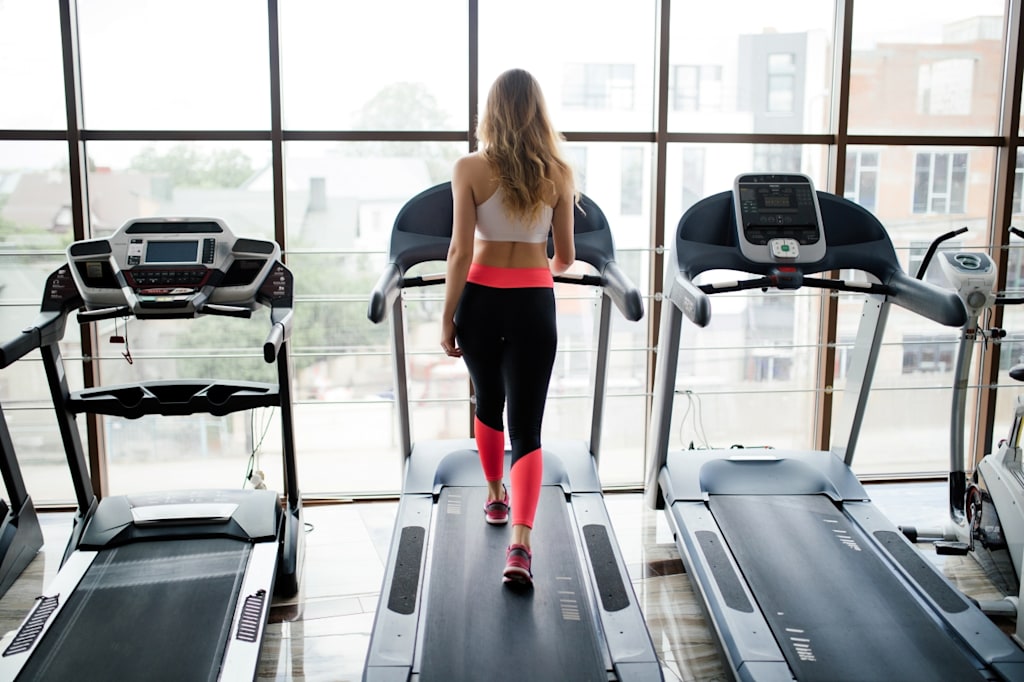
The treadmill is not a glamorous piece of equipment.
It does one thing. You walk or run on it. The belt moves beneath your feet. You go nowhere. For most of its commercial history, it has been the reliable workhorse of gym floors and the large awkward object gathering dust in spare bedrooms around the world.
And yet the market built around this straightforward machine is growing steadily and the reasons behind that growth reflect some genuinely significant shifts in how people think about fitness, health, and how they want to spend their time at home.
According to Mordor Intelligence, the global treadmill market is expected to grow from USD 6.48 billion in 2026, reaching to USD 8.92 billion by 2031 at a 6.61% CAGR. That trajectory points to a category that has found renewed relevance not by changing what it fundamentally does but by changing almost everything around the experience of doing it.
Why Health Concerns Are Driving Equipment Purchases
The backdrop to treadmill market growth is a global health picture that has been shifting in ways that make cardiovascular exercise more medically relevant to more people than at any previous point.
Lifestyle-related diseases including type 2 diabetes, hypertension, and cardiovascular conditions have become more prevalent across virtually every major market. These are conditions where regular aerobic exercise is a documented and clinically recommended intervention. Physicians are recommending it. Public health campaigns are promoting it. And governments across multiple regions have been investing in initiatives designed to increase physical activity levels in populations where sedentary behavior has become a genuine public health concern.
For a consumer who has been told by their doctor that they need to walk thirty minutes a day and who lives in a climate that makes outdoor walking impractical for part of the year, a treadmill is not an aspirational lifestyle purchase. It is a practical health tool. That medical framing of exercise equipment creates a purchase motivation that is considerably more durable than fitness trend enthusiasm and it has been expanding the addressable market for treadmills into consumer segments that previously would not have considered the purchase.
Government programs that subsidize fitness equipment, provide tax incentives for health-related purchases, or fund community fitness infrastructure have added institutional support to this individual-level demand in several markets.
What Smartphones Have Done to the Treadmill
The most significant transformation in the treadmill category over the past decade has been its integration into digital fitness ecosystems. And the primary mechanism for that integration has been the smartphone that most users already carry everywhere.
A treadmill connected to a smartphone app becomes a considerably more engaging piece of equipment than the same machine operating in isolation. Performance metrics that previously required dedicated display panels are now tracked, stored, and analyzed in software that builds a picture of progress over time. Virtual coaching programs adjust workout intensity based on the user's fitness level and goals. Online challenges and community features connect solo home workouts to social experiences that provide motivation and accountability.
The streaming fitness platform has taken this further. Services that deliver live and on-demand classes specifically designed for treadmill workouts have turned the machine from a monotonous solo experience into something closer to a guided group fitness class happening in your own home. The instructor on the screen responds to the metrics the treadmill is generating. The music synchronizes to the pace. The community element exists even though every participant is physically alone.
This digital integration has raised the ceiling on what the treadmill experience can deliver and simultaneously lowered the floor of engagement required to sustain a regular habit. A user who finds solo running on a treadmill boring often finds a coached interactive workout session significantly more manageable over time. The technology has made the equipment more useful to the people who were previously least likely to use it consistently.
The Home Fitness Shift and What Manufacturers Have Done About It
The pandemic accelerated a shift toward home-based fitness that was already underway and that shift has not fully reversed in the years since. A meaningful segment of consumers who discovered or rediscovered home workouts during that period have maintained the habit and the purchasing preferences that go with it.
For the treadmill market this has created both opportunity and a design challenge. The opportunity is a significantly larger addressable market of residential buyers. The challenge is that most homes are not gyms. The machines that work well in commercial settings where space, noise, and cost are less constrained often do not work well in apartments, spare rooms, and shared living spaces.
Manufacturers have responded with genuine product innovation directed at the residential market specifically. Folding treadmills that stand upright when not in use and fit against a wall have addressed the space constraint that previously made home treadmill ownership impractical for apartment dwellers. Quieter motor designs that do not disturb neighbors or other household members have made earlier-morning and later-evening workouts feasible in shared buildings. Under-desk walking treadmills that operate at low speeds for light activity during working hours have created an entirely new use case that did not previously exist as a commercial product category.
Affordable financing options that allow consumers to spread the cost of purchase over monthly payments have lowered the barrier to entry for buyers who want the equipment but find the upfront cost prohibitive. This mirrors the subscription and installment models that have been successful in other consumer goods categories and it has brought the residential treadmill purchase within reach of income levels that previously would have defaulted to gym membership.
Where the Market Is Growing and Why Asia-Pacific Matters
The geography of treadmill market growth is shifting in ways that reflect broader trends in where consumer spending on health and fitness is expanding fastest.
North America and Western Europe remain significant markets built on established fitness cultures, high per-capita health spending, and strong retail infrastructure for exercise equipment. These markets continue to grow but the most dramatic growth rates are elsewhere.
Asia-Pacific has emerged as the fastest-growing region and the supply chain has been reorganizing to reflect this. Manufacturing capacity has been shifting toward the region partly to capture cost efficiencies and partly to reduce the logistics burden of serving markets that are growing rapidly close to existing production infrastructure. Countries including China, India, South Korea, and Australia are all showing strong demand growth driven by rising incomes, expanding middle-class populations, increasing urbanization that limits outdoor exercise options, and growing awareness of the relationship between exercise and long-term health.
India in particular represents a large and relatively underpenetrated market where rising disposable incomes and a young population with growing health consciousness are creating conditions for accelerated treadmill adoption. The combination of urban density that limits outdoor running space and a climate that makes outdoor exercise uncomfortable for significant parts of the year in many regions creates practical demand for indoor alternatives that is being served increasingly by the residential treadmill market.
A Closing Thought
The treadmill has been around long enough that most people assume they already understand it. A belt. A motor. A display showing speed and time. Nothing particularly interesting.
What has happened to it over the past decade suggests that assumption was wrong. The machine is the same. Everything built around it has changed significantly. The connectivity. The content. The design for residential spaces. The financing models that make ownership accessible.
With the market heading toward USD 8.92 billion by 2031, the treadmill turns out to have had considerably more room to evolve than its simple mechanical premise suggested.
Sometimes the most straightforward tools are the ones worth improving.
About the Creator
Harvey Specter
I am passionate about Food & Beverage, Ag, & Animal Nutrition companies. I help organizations unlock their data's potential and fuel business growth. My expertise transforms raw data into actionable insights for strategic decisions.
Enjoyed the story? Support the Creator.
Subscribe for free to receive all their stories in your feed.
Comments
There are no comments for this story
Be the first to respond and start the conversation.