
Transportation Warehousing: The Complete Guide to Smarter Supply Chain Management
Learn how transportation warehousing improves inventory management, lowers shipping costs, and creates a more efficient supply chain for modern businesses.
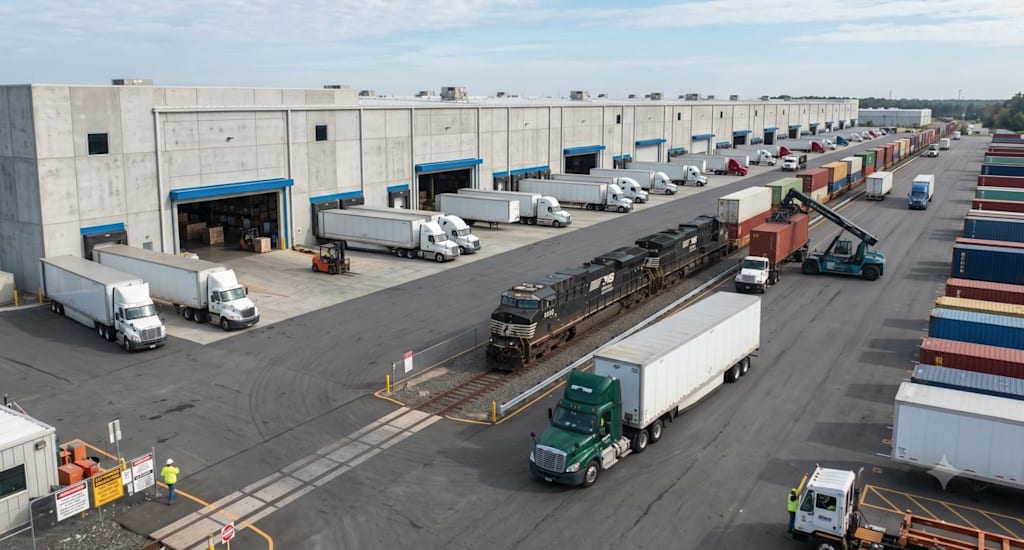
In today’s fast-moving business environment, customers expect products to arrive quickly, accurately, and at a reasonable cost. Whether you’re shipping retail products, industrial equipment, or consumer goods, every delay can affect customer satisfaction and your bottom line. That’s why transportation warehousing has become one of the most important parts of modern logistics.
Many people think warehousing simply means storing products until they’re needed. In reality, modern transportation warehousing combines inventory storage, transportation planning, order fulfillment, and technology into one connected operation. When managed correctly, it helps businesses reduce transportation costs, improve inventory accuracy, shorten delivery times, and respond more effectively to changing market demands.
For manufacturers, distributors, importers, exporters, and retailers, transportation warehousing is no longer just an operational necessity — it’s a competitive advantage. Companies that invest in efficient warehouse operations and integrated transportation strategies are better equipped to maintain reliable service while controlling costs.
What Is Transportation Warehousing?
Transportation warehousing refers to the coordinated management of storing goods while planning and executing their movement throughout the supply chain. Rather than treating transportation and warehousing as separate functions, this approach connects them to improve efficiency from the moment products arrive until they reach their final destination.
A transportation warehouse acts as more than a storage facility. It serves as a logistics hub where inventory is received, organized, tracked, processed, and prepared for outbound shipment. Every movement inside the warehouse is designed to support faster, more accurate transportation.
Typical transportation warehousing operations include:
- Receiving inbound freight
- Inventory storage and organization
- Order picking and packing
- Cross-docking
- Transloading
- Labeling and packaging
- Inventory management
- Outbound transportation coordination
Instead of moving products multiple times or storing inventory longer than necessary, efficient transportation warehousing keeps freight flowing through the supply chain with minimal delays.
Why Transportation Warehousing Matters More Than Ever
Customer expectations have changed dramatically over the past decade. Fast shipping has become the standard rather than the exception, forcing businesses to rethink how they manage inventory and transportation.
At the same time, supply chains have become increasingly complex. Products may travel through multiple ports, warehouses, rail terminals, trucking companies, and distribution centers before reaching customers. Without an organized transportation warehousing strategy, these handoffs can create delays, higher costs, and unnecessary risks.
An effective transportation warehousing solution helps businesses:
- Reduce transportation expenses
- Improve inventory visibility
- Increase shipping accuracy
- Shorten delivery times
- Prevent stockouts and overstocking
- Respond faster to customer demand
- Improve overall supply chain performance
Rather than reacting to logistics problems, companies with well-designed warehouse networks can anticipate disruptions and adjust quickly.
The Core Components of Transportation Warehousing
Successful transportation warehousing relies on several interconnected processes working together efficiently.
Inventory Management
Inventory is one of the most valuable assets a business owns. Without accurate inventory management, companies may experience delayed shipments, lost sales, excess carrying costs, or unnecessary emergency transportation expenses.
Modern warehouses use organized storage methods and digital inventory tracking to ensure products are always located quickly and accurately.
Good inventory management provides:
- Accurate stock levels
- Better demand forecasting
- Reduced carrying costs
- Faster order fulfillment
- Lower risk of inventory shortages
Maintaining the right inventory balance allows businesses to meet customer demand while avoiding unnecessary storage expenses.
Warehouse Management Systems (WMS)
Technology has transformed warehouse operations over the past decade. Warehouse Management Systems (WMS) allow businesses to monitor inventory, optimize workflows, and improve operational efficiency from a single platform.
A modern WMS provides real-time visibility into warehouse activity, allowing managers to track inventory movement, monitor labor productivity, and reduce manual errors.
Common WMS capabilities include:
- Barcode scanning
- Inventory tracking
- Order management
- Automated replenishment
- Picking optimization
- Shipping documentation
- Performance reporting
With real-time data available across operations, businesses can make faster decisions and improve service levels throughout the supply chain.
Transportation Planning
Transportation planning begins long before a truck arrives at the loading dock. Efficient planning ensures products move through the warehouse with minimal waiting time while selecting the most cost-effective transportation method.
Transportation planning typically includes:
- Carrier selection
- Route optimization
- Load consolidation
- Appointment scheduling
- Freight tracking
- Delivery coordination
When transportation planning is integrated with warehouse operations, shipments move more smoothly and transportation costs are significantly reduced.
About the Creator
Polo 4PL
https://polo4pl.com/
Enjoyed the story? Support the Creator.
Subscribe for free to receive all their stories in your feed.
Comments
There are no comments for this story
Be the first to respond and start the conversation.