
Transforming Text into Vector Art with AI
Exploring the Capabilities of DigitalMagicWand

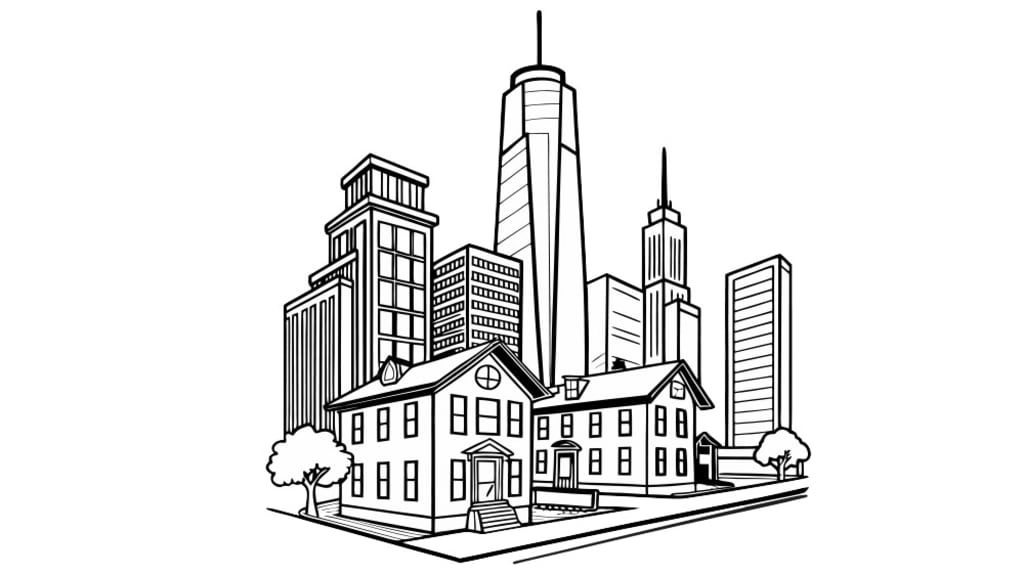
Transforming Text into Vector Art: Exploring the Capabilities of DigitalMagicWand
In an era where visual content dominates digital spaces, tools that simplify design processes are increasingly valuable. DigitalMagicWand, a software platform launched in 2025, has garnered attention for its ability to convert text prompts into scalable vector graphics (SVG). Unlike traditional design tools that require technical expertise, this platform aims to bridge the gap between idea and execution using artificial intelligence. Here’s a closer look at how it works, its features, and how users are engaging with it.
From Words to Visuals: The Basics
At its core, DigitalMagicWand allows users to generate vector art by typing descriptive text. For example, inputting “a city skyline with tall skyscrapers and small houses, rendered in straight and curved lines” produces a minimalist black-and-white illustration. The AI interprets the request, accounting for details like composition, style, and context, and generates an SVG file that can be resized without losing clarity.
This process eliminates the need for manual design software such as Adobe Illustrator, which often requires training to master. Instead, users—whether small business owners, marketers, or hobbyists—can focus on articulating their vision in words. The platform’s developers emphasize its accessibility, particularly for those lacking formal design experience.
Key Features and Flexibility
1. Diverse Artistic Styles
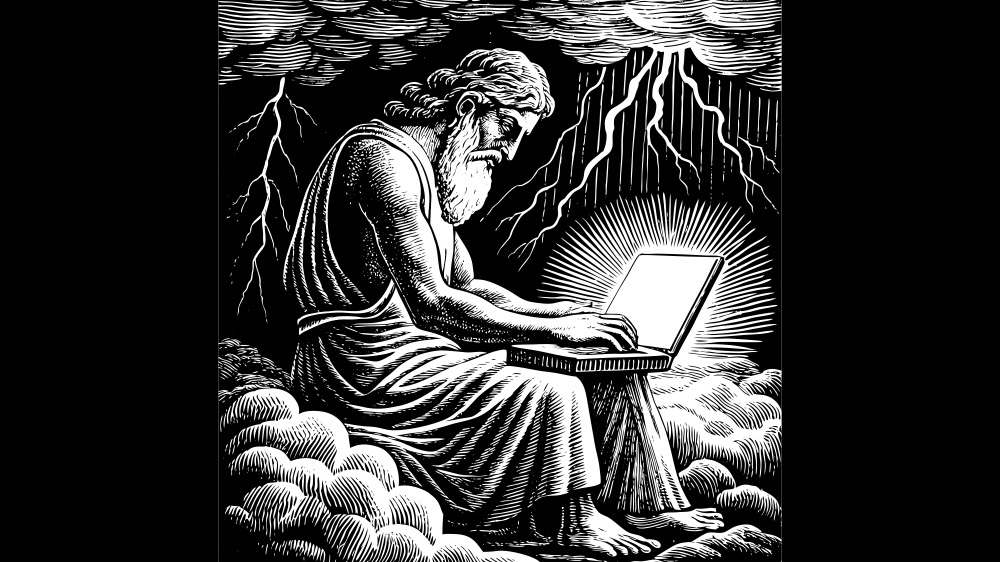
The tool supports multiple art styles, enabling users to tailor outputs to specific needs. For instance:
Engraving Style: Mimics hand-engraved metal with cross-hatching and intricate details, suitable for logos or invitations.
Linocut Style: Replicates the raw, textured look of traditional printmaking, ideal for posters or album covers.
Smooth Line Style: Produces flowing, organic curves often seen in luxury branding or abstract art.
A user seeking a bookstore logo could input “an open book with magic swirling from its pages and the text ‘Fantasy Bookstore’” and receive a vector graphic combining whimsical imagery with crisp typography.
2. Text Accuracy
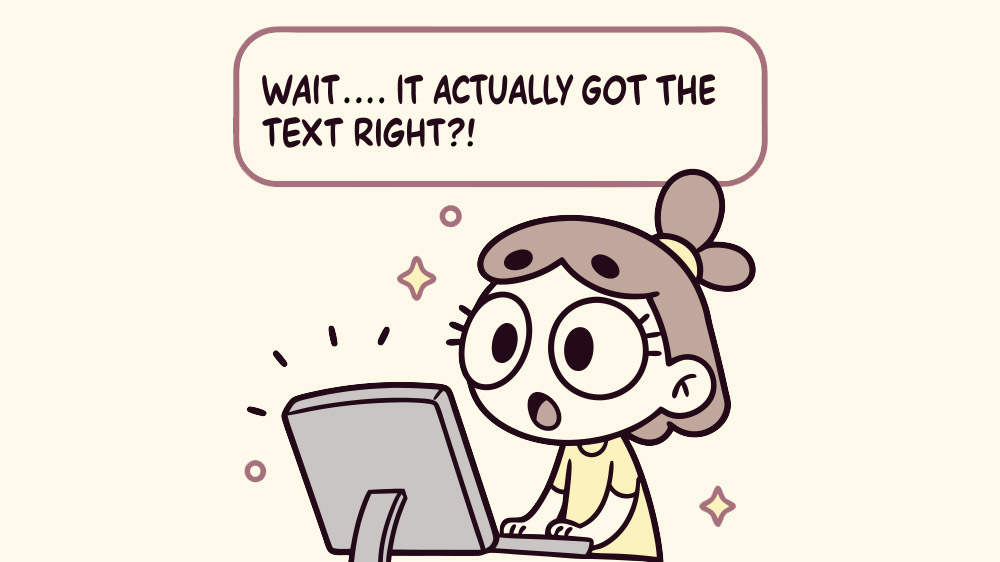
One common frustration with AI design tools is garbled or misplaced text. DigitalMagicWand claims to address this by rendering text exactly as typed, whether it’s a single word or a paragraph. The AI also positions text contextually—for example, placing a speech bubble next to a character in a cartoon scene.
3. Logo Creation Simplified

Small businesses and entrepreneurs appear to be a key audience. The platform generates logos in seconds, allowing adjustments to colors, fonts, and layout. A user could request a “playful logo with cartoon businesspeople sitting around a table” and receive a customizable SVG file, bypassing the cost of hiring a designer.
4. Scalability of SVG Files
Unlike raster images (e.g., JPEGs), which pixelate when enlarged, SVGs use mathematical equations to maintain sharpness at any size. This makes them practical for applications ranging from mobile screens to billboards.
The Technology Behind the Tool
DigitalMagicWand’s AI combines natural language processing (NLP) with vector graphic algorithms. When a user submits a prompt, the NLP model parses keywords and intent, then references a database of artistic styles to generate a draft. The vectorization process converts this draft into scalable paths and shapes.
A notable feature is its emphasis on “human-like” imperfections. Unlike some AI art that feels sterile, the tool introduces subtle irregularities—uneven line weights in linocut styles or asymmetrical curves in hand-drawn sketches—to mimic human craftsmanship.
Potential Limitations
While the platform offers convenience, questions remain about creative control. Users cannot fine-tune outputs at a granular level (e.g., adjusting individual shapes), which may limit its utility for complex projects. Additionally, the reliance on text prompts requires clear communication; vague descriptions could yield undesired results.
Final Thoughts
DigitalMagicWand represents a shift toward democratizing design, enabling users to create functional graphics without specialized skills. Its strength lies in speed, adaptability, and the precision of SVG outputs. However, its effectiveness depends on the user’s ability to articulate ideas clearly, and it may not replace nuanced human design entirely. For small-scale projects or rapid prototyping, though, it could serve as a practical solution in an increasingly visual digital landscape.
As AI design tools evolve, the line between human and machine-generated art will continue to blur. Platforms like this one challenge us to rethink how creativity and technology intersect—and who gets to participate in the design process.
About the Creator
George Thompson
George Thompson decodes AI apps with razor-sharp insight and everyday language. Once a UX designer, he now tests AI tools through both technical and human lenses, spotlighting what actually works versus what's just marketing hype.
Enjoyed the story? Support the Creator.
Subscribe for free to receive all their stories in your feed.
Comments
There are no comments for this story
Be the first to respond and start the conversation.