
Tortilla Market: A Fast-Casual Convenience Boom
Frozen Logistical Innovations and Gluten-Free Alternatives Propel the Global Food Sector Toward USD 92 Billion by 2031

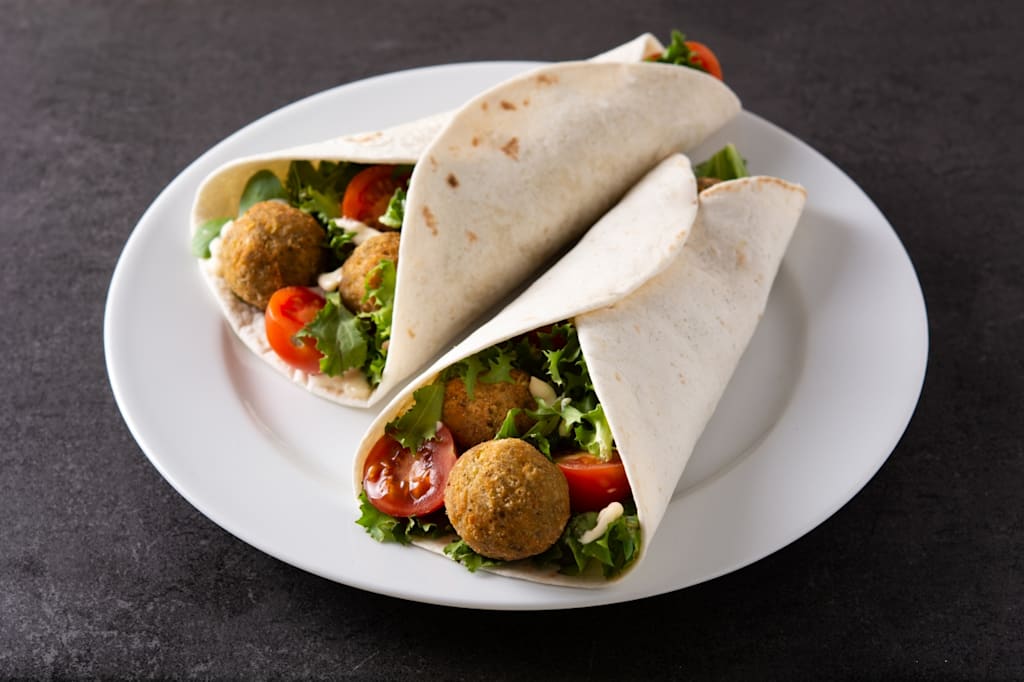
Lately, I’ve noticed my weekday dinners and quick lunch routines are looking completely different.
It wasn’t that long ago that reaching for a tortilla meant picking up a basic, ambient package of flour wraps from the grocery aisle to make a quick, standard quesadilla.
However, step into any modern grocery store or check out a trendy fast-casual restaurant menu today, and you will see the entire category expanding. Health-conscious consumers are rolling up grain-free wraps made from cassava flour, choosing certified gluten-free corn alternatives that command premium center-shelf placement, and stocking up on high-tech frozen options that preserve artisan freshness without synthetic preservatives. The modest flatbread has successfully broken out of traditional ethnic boundaries to become a highly functional, globally recognized staple of modern on-the-go lifestyle eating.
This cultural transition is generating massive economic value. According to the latest data from Mordor Intelligence, the global tortilla market size is projected to expand from USD 65.70 billion in 2025 and USD 69.20 billion in 2026 to USD 92.88 billion by 2031. Fueled by an insatiable global appetite for convenient, portable meal formats and authentic Tex-Mex flavor profiles, the market is set to register a steady 6.06% CAGR between 2026-2031.
The QSR Engine: Fueling Handheld Portability
The primary driver behind this multi-billion-dollar expansion is an ongoing, structural shift toward highly portable convenience foods. As time-pressed urban schedules compress cooking windows, dual-income households are progressively gravitating toward handheld, ready-to-eat formats like wraps, tacos, and burritos that blend seamlessly into an on-the-go routine.
This behavior has triggered a massive transformation across the foodservice sector. Quick-service restaurants (QSRs) and fast-casual dining chains are aggressively pivoting their menus toward tortilla-based options. From breakfast wraps to globally inspired fusion tacos, commercial kitchens favor tortillas for their exceptional operational versatility, quick assembly times, and highly predictable portion control, which significantly accelerates overall market growth.
Category Breakdown: Sourcing, Forms, and the Gluten-Free Premium
The internal product architecture of the global market reveals a highly dynamic interplay between traditional baking methods and niche, health-focused segments:
- The Product Core: By product type, corn tortillas remain the dominant force, commanding 39.11% of the global market share in 2025 due to their deep historical heritage and universal palatability. Concurrently, snacking subcategories are logging intense growth, with tortilla chips set to expand at a swift 7.32% CAGR through 2031 as clean-label, flavored snacking options diversify.
- The Frozen Breakthrough: While fresh and shelf-stable variants held the clear volume majority at 63.82% of market size in 2025, frozen tortillas have emerged as the fastest-growing form, projected to grow at a 6.99% CAGR through 2031. This acceleration is heavily supported by rapid advancements in cold-chain logistics across emerging markets, allowing producers to ship clean-label formulas over long distances without sacrificing texture or freshness.
- The Gluten-Free Premium: From a product category perspective, regular tortillas represented the bulk of the industry at 88.81% of the 2025 value. However, gluten-free lines are leading overall growth with a 7.21% CAGR over the 2026-2031 forecast period. While gluten-free and grain-free options occupy a smaller volume footprint, they command premium shelf space and higher price points, heavily boosting profit margins for manufacturers.
Channels of Discovery: Foodservice Strength vs. Retail Speed
The paths bringing these products to global consumer plates show contrasting, highly competitive distribution mechanics:
- Foodservice and Institutions Lead: Driven by commercial menu expansion and catering, the foodservice channel accounted for a dominant 55.97% of global revenue in 2025, acting as the primary volume workhorse for bulk tortilla producers.
- The Retail Acceleration: On the retail side, grocery stores, supermarkets, and specialty digital channels are expanding at a highest-in-industry 7.87% CAGR through 2031, fueled by the popularity of at-home Mexican meal kits and direct-to-consumer grocery delivery networks.
Market Consolidation and the Niche Challenge
The competitive landscape in 2026 reflects a delicate balance of scale and specialization. The industry maintains a moderate concentration, where established global giants like GRUMA (Gruma, S.A.B. de C.V.) and Grupo Bimbo leverage massive supply chain advantages, automated high-volume processing lines, and extensive distribution networks to maintain structural dominance.
Nevertheless, agile independent brands are increasingly fragmenting market share. These niche disruptors are finding immense success by catering directly to specific consumer micro-segments—introducing clean-label, non-GMO, organic, and keto-friendly variants that giant players cannot scale quickly enough, forcing a permanent wave of product innovation across the entire ecosystem.
Regional Outlook: North American Dominance, Asia-Pacific Speed
From a geographic perspective, the market shows a powerful contrast between traditional strongholds and fast-growing international corridors:
- North America: Stands firmly as the largest regional market, capturing a dominant 46.83% of global revenue in 2025. Consumption here is deeply mature, with tortillas firmly established as a mainstream grocery product that regularly outsells traditional sliced white bread across major urban metros.
- Asia-Pacific: Has emerged as the global hotspot for fastest incremental growth, projected to expand at an industry-leading 8.12% CAGR through 2031. This rapid acceleration is being powered by progressive urbanization, a burgeoning middle class across major cities, and the swift adoption of Western fast-casual food habits across younger demographics.
Final Thoughts: Crafting a Modern Staple
As the global tortilla market moves toward its USD 92.88 billion milestone in 2031, it stands as a perfect blueprint for how a regional culinary treasure can be successfully adapted for modern global consumption. By aligning convenient product design with advanced cold-chain freezing methods and health-conscious formulations, the category has turned a simple flatbread into a versatile, high-margin asset.
The next time you enjoy a toasted burrito wrap or open a bag of organic corn chips, take a moment to look at the product's structure. Behind that simple wrap sits a complex global network of advanced agricultural milling, precise logistical freezing science, and an ongoing material push toward nutritional purity. The world's daily convenient dining is turning cleaner, smarter, and incredibly functional, one premium wrap at a time.
About the Creator
Harvey Specter
I am passionate about Food & Beverage, Ag, & Animal Nutrition companies. I help organizations unlock their data's potential and fuel business growth. My expertise transforms raw data into actionable insights for strategic decisions.
Enjoyed the story? Support the Creator.
Subscribe for free to receive all their stories in your feed.
Comments
There are no comments for this story
Be the first to respond and start the conversation.