
Top 5 Questions About Kids' Wisdom Teeth Extraction
Learn the most important questions parents have about kids' wisdom teeth extraction.

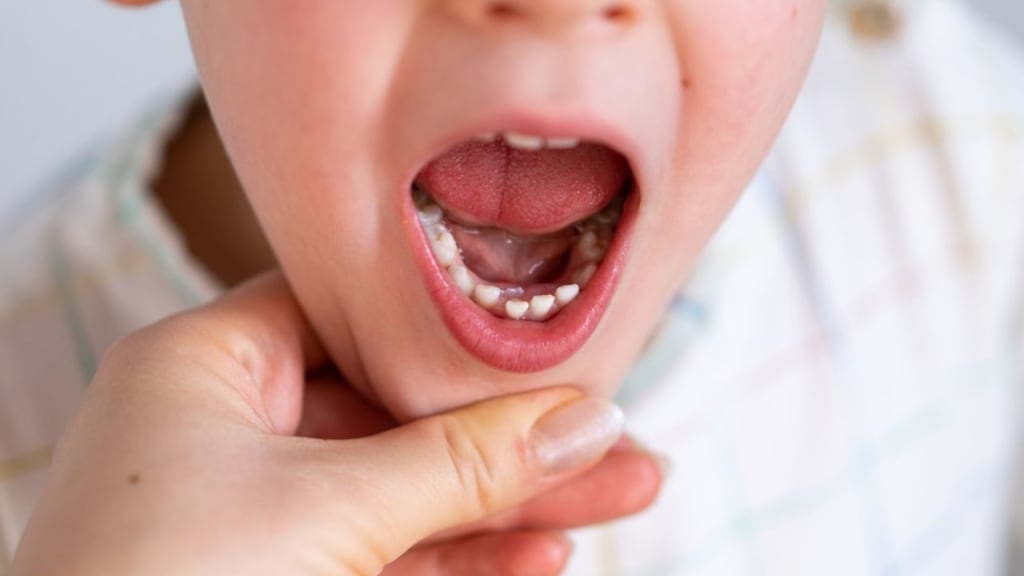
Wisdom teeth, or third molars, are the last set of molars that typically erupt between the ages of 17 and 25. However, signs of their development can begin in the early teenage years, and for many children, this marks the beginning of a new dental concern. As a parent, understanding what to expect when it comes to wisdom teeth extraction for your child is crucial.
To help ease your worries and guide you through this dental milestone, we've compiled the top 5 most common questions parents ask about kids’ wisdom teeth extraction—answered by pediatric dental professionals and based on real experiences.
1. Why Do Kids Need Their Wisdom Teeth Removed?
Wisdom teeth are considered “vestigial,” meaning they once served a purpose for our ancestors but have become mostly unnecessary due to changes in diet and jaw structure. In many children, there simply isn't enough room in the jaw to accommodate these late-arriving molars.
Reasons Wisdom Teeth May Need Extraction in Kids:
- Impaction: When a wisdom tooth is unable to erupt through the gums and becomes trapped.
- Crowding: Erupting wisdom teeth may push against existing teeth, disrupting alignment.
- Infection and Inflammation: Partially erupted wisdom teeth can harbor bacteria, leading to gum infections.
- Cyst Formation: Fluid-filled sacs can form around impacted wisdom teeth, damaging bone and surrounding teeth.
It’s important to note that not all wisdom teeth need to be removed. Some may grow in healthy and aligned. But in most pediatric cases, preventative extraction is often the safest route to avoid future complications.
2. When Should My Child Get an Evaluation for Wisdom Teeth?
Timing is everything when it comes to evaluating your child’s wisdom teeth. Pediatric dentists typically begin monitoring wisdom teeth through X-rays around ages 11 to 13.
Here’s What You Can Expect:
- Early Evaluation: X-rays will reveal the position and development of the wisdom teeth below the gum line.
- Growth Monitoring: If wisdom teeth show signs of potential complications, your dentist may recommend removal even before they fully erupt.
- Ideal Extraction Window: Ages 15 to 18 are generally considered optimal for removal since roots are not yet fully developed, making surgery easier and recovery quicker.
The key is not to wait for pain or symptoms to arise. Regular dental visits during adolescence allow for early detection and better outcomes.
3. What Happens During Wisdom Tooth Removal in Kids?
This is perhaps the most common and concerning question parents have. Understanding the procedure can provide peace of mind.
Step-by-Step Overview of the Process:
- Initial Consultation: A pediatric dentist or oral surgeon will assess your child’s X-rays and medical history.
- Anesthesia Options: Depending on the complexity of the extraction and your child's comfort level, local anesthesia, sedation, or general anesthesia may be used.
- Extraction Procedure: The dentist will carefully remove the teeth, often in a short, outpatient procedure that lasts less than an hour.
- Recovery Period: Most children recover within 3–7 days. Swelling, mild discomfort, and temporary eating restrictions are normal.
It’s important to choose a provider experienced in wisdom tooth extractions in Plano or Dallas so your child gets expert care and a stress-free experience.
4. What Should I Expect During Recovery?
Recovery is typically smooth, especially in younger patients. However, proper post-operative care is essential for avoiding complications such as dry socket or infection.
Post-Op Tips for a Smooth Recovery:
- Soft Foods Only: Applesauce, smoothies, mashed potatoes, and broths are your best friends.
- Pain Management: Follow your dentist’s recommendations regarding pain medications.
- Avoid Straws and Spitting: These can dislodge the clot that forms over the extraction site, causing pain.
- Ice Packs: Reduce swelling by applying ice on and off during the first 48 hours.
- Oral Hygiene: Rinse gently with warm salt water starting the day after surgery, and keep the mouth clean while avoiding direct brushing near the site.
Most teens bounce back within a few days and can return to normal routines quickly. Keeping follow-up appointments ensures the healing process is progressing as expected.
5. Are There Any Long-Term Risks of Not Removing Wisdom Teeth?
Sometimes parents wonder if the procedure is truly necessary—especially if the wisdom teeth haven’t caused problems yet. The truth is that delaying extraction can lead to more complex and painful issues later on.
Potential Long-Term Risks:
- Orthodontic Relapse: Crowding from erupting wisdom teeth can reverse the effects of previous orthodontic work.
- Infections and Abscesses: Impacted teeth are breeding grounds for bacteria.
- Tooth and Bone Damage: Cysts and infections can cause irreversible harm to nearby teeth or jawbone.
- Chronic Pain: Pressure from impacted or misaligned teeth can lead to headaches and jaw discomfort.
By opting for early extraction when recommended, you're giving your child the best chance at avoiding future dental issues and painful emergencies.
When Should You Talk to a Pediatric Dentist?
If your child is in their early teens and hasn’t had their wisdom teeth evaluated yet, now is the time. Pediatric dentists are trained to monitor development and guide families on the best timing for action.
Many signs—like swelling, gum irritation, jaw pain, or shifting teeth—can be indicators that an evaluation is overdue. Even if your child isn’t showing symptoms, preventive care is always the best option when it comes to wisdom teeth.
Wisdom teeth extraction may sound daunting, but it’s a routine part of pediatric dental care. Armed with the right information, parents can confidently help their children navigate this important dental milestone. With a trusted provider and early evaluation, the procedure is smooth, the recovery manageable, and the benefits long-lasting.
If you’re concerned about your child’s developing wisdom teeth, consult a pediatric dentist near you for personalized guidance and professional support.
About the Creator
Grin Pediatric Dentistry - Pediatric Dentist in Plano & Dallas TX
Grin Pediatric Dentistry in Dallas and Plano, led by Dr. Patrick Ryan, offers gentle, top-quality care including sedation dentistry, wisdom tooth extractions. Looking for a pediatric dentist near me? Visit our kid-friendly offices today!
Enjoyed the story? Support the Creator.
Subscribe for free to receive all their stories in your feed.
Comments
There are no comments for this story
Be the first to respond and start the conversation.