
Top 10 Benefits of Using Treated Salt for Icy Roads
Benefits of Using Treated Salt for Icy Roads

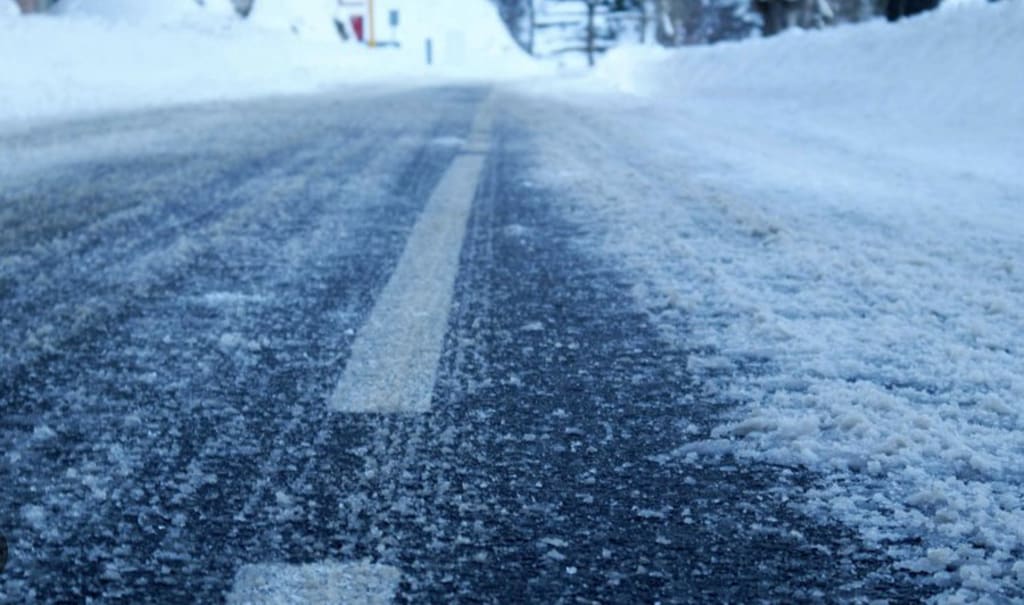
Winter weather can be beautiful but poses serious hazards, especially on roadways. Icy roads are responsible for thousands of accidents, injuries, and even yearly fatalities. To combat this threat, municipalities, state transportation departments, and private snow removal contractors rely on de-icing materials to keep roads safe. Treat salt is one of the most effective and increasingly preferred materials for this purpose.
Treated salt is regular rock salt enhanced with additives such as magnesium chloride, calcium chloride, brine, corrosion inhibitors, or organic compounds. These treatments significantly boost the salt's performance and make it better suited for cold-weather applications. In this article, we explore the top 10 benefits of using treated salt for icy roads, highlighting why it's a smart choice for efficient, safe, and sustainable winter road maintenance.
Benefits of Using Treated Salt for Icy Roads
1. Superior Melting Power at Lower Temperatures
One of regular rock salt's biggest limitations is its reduced effectiveness below -9°C (15°F). Treated salt, thanks to chemical enhancements like magnesium chloride or calcium chloride, can continue to melt ice at much lower temperatures—even as low as -25°C (-13°F). This improved performance ensures that treated salt remains effective during extreme cold spells, keeping roads safer in all winter conditions.
2. Faster Action on Contact
Compared to untreated rock salt, treated salt starts working more rapidly. Pre-wetted or coated salt has a higher moisture content, allowing it to start melting immediately upon application. In contrast, dry rock salt must absorb moisture from the environment before it becomes effective. This faster activation means roads clear up more quickly, reducing the window of hazardous conditions and enhancing public safety.
3. Reduced Bounce and Scatter
One of the often-overlooked issues with traditional rock salt is how much of it is wasted due to bounce and scatter—salt granules that ricochet off the road or are swept away by wind and traffic. Treated salt has a sticky coating that helps it adhere better to surfaces, reducing loss and ensuring more of the product stays where it's needed. Better coverage and less waste are the results of this.
4. Lower Application Rates
Because treated salt is more effective and stays in place better, less of it is required to achieve the same de-icing results. Many municipalities report using 25–40% less salt when switching from untreated to treated products. This reduces operational costs and limits the environmental impact of salt use on nearby soils, vegetation, and water bodies.
5. Enhanced Safety for Drivers and Pedestrians
Treated salt's superior performance translates directly into improved road safety. Faster melting and longer-lasting results reduce the formation of black ice and slush, which are major causes of winter accidents. Treated salt also helps prevent re-freezing, ensuring that once a road is cleared, it remains that way longer. This constantly safer surface is beneficial to drivers, pedestrians, bicycles, and public transit users.
6. Corrosion Inhibition
Salt is inherently corrosive; over time, it can damage vehicles, road infrastructure, bridges, and stormwater systems. Many treated salt products contain corrosion inhibitors—additives that reduce the chemical's harsh effects on metal and concrete. While no salt is completely corrosion-free, treated salt offers a significantly reduced risk of long-term damage, which is especially important for municipal fleets and critical infrastructure.
7. Environmental Responsibility
The overapplication of untreated salt has led to widespread concerns about its environmental consequences. Salt runoff can potentially damage aquatic species, disturb plant life, and contaminate freshwater environments. Because treated salt is more efficient and requires less application, it helps reduce the overall environmental load. Some formulations also use eco-friendly organic additives like beet juice, corn-stepped liquor, and molasses, further improving sustainability.
8. Improved Visibility During Application
Many treated salts are tinted with colorants—usually a light blue or green hue—to help operators see where the material has already been applied. This visibility reduces the risk of overlap or missed spots and promotes more precise application. During nighttime or stormy conditions, this feature significantly improves application efficiency and reduces unnecessary waste.
9. Fewer Reapplications and Labor Savings
Because treated salt adheres better to the surface and works more effectively, it lasts longer and minimizes the need for repeated treatments. Snow removal crews can cover larger areas without needing to double back for reapplication. This translates into reduced labor hours, fewer truck runs, and more efficient use of fuel and resources. It also lowers operational stress during prolonged snow events.
10. Cost-Effectiveness Over Time
Although treated salt may cost more per ton than regular rock salt, the total cost of ownership is typically lower. Reduced application rates, fewer reapplications, lower labor costs, less equipment corrosion, and fewer environmental fines or cleanup efforts all contribute to significant long-term savings. Municipalities and contractors often find that treated salt delivers better value throughout winter.
The Road Ahead: Treated Salt as a Strategic Winter Tool
Untreated rock salt has been the go-to solution for icy roads for decades. However, as winter storms become more unpredictable and communities demand safer, more sustainable solutions, treated salt has emerged as the smarter alternative. Its superior performance in cold temperatures, lower environmental impact, and operational efficiency make it a top choice for both public and private snow management efforts.
Whether you manage a city's road network, maintain a commercial parking lot, or operate a private fleet of snow removal equipment, switching to treated salt can significantly improve outcomes. It's not just a better product—it's a strategic investment in safety, sustainability, and cost control.
As the science of winter road management continues to evolve, treated salt stands out as one of the most practical innovations in snow and ice control. With its growing adoption and proven benefits, it's clear that treated salt isn't just a trend—it's the future of winter safety.
About the Creator
Daniel
Canada Salt is a trusted and reliable bulk road salt suppliers in Ontario catering to a wide range of industries.
Visit : https://canadasalt.ca/
Enjoyed the story? Support the Creator.
Subscribe for free to receive all their stories in your feed.
Comments
There are no comments for this story
Be the first to respond and start the conversation.