
Tino D'Abruzzo and the Value of Living in Harmony with Nature
Why Conservation, Outdoor Stewardship, and Respect for the Wild Matter More Than Ever

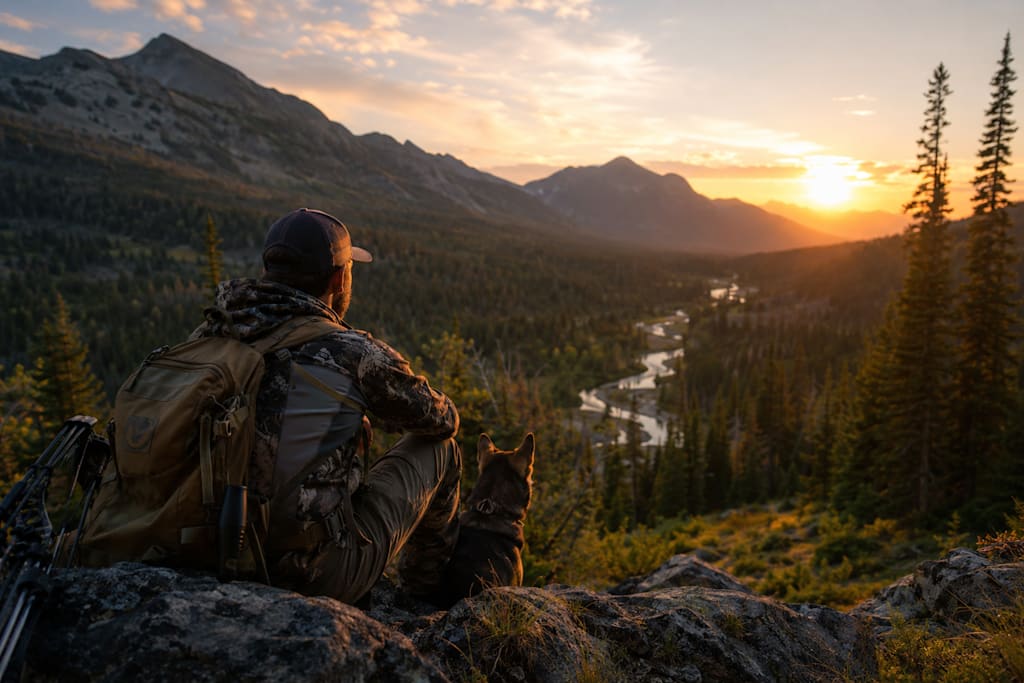
Tino D'Abruzzo is an experienced outdoorsman and ethical hunter who grew up in the Pacific Northwest. He values conservation, mentors others, and lives close to the wild. In an era defined by rapid technological advancement and increasingly busy lifestyles, many people are searching for ways to reconnect with something more fundamental. For some, that search leads back to nature—a place where lessons about responsibility, resilience, and balance continue to shape human experience. Living in harmony with nature is not simply about spending time outdoors; it is about understanding our relationship with the environment and embracing the responsibility that comes with being part of it.
The natural world has always played a central role in human life. Long before modern conveniences, people relied on forests, rivers, wildlife, and seasonal cycles for survival. Although society has evolved dramatically, the importance of maintaining a connection to nature remains unchanged. Today, many individuals are rediscovering the value of conservation, outdoor stewardship, and sustainable living as they seek a more meaningful relationship with the world around them.
Reconnecting with the Natural World
Modern life offers countless benefits, from instant communication to advanced transportation and access to information. However, these conveniences often come with an unintended consequence: a growing separation from nature.
Many people spend the majority of their time indoors, interacting with digital devices rather than natural landscapes. Work, entertainment, and social interactions frequently occur through screens. While technology has improved many aspects of daily life, it can also create distance between individuals and the environment that sustains them.
Spending time outdoors provides an opportunity to restore that connection. Whether walking through a forest, fishing along a river, hiking a mountain trail, or simply observing wildlife, outdoor experiences encourage people to slow down and engage with their surroundings. These moments often create a deeper appreciation for the natural systems that support life.
Reconnecting with nature helps people understand that they are not separate from the environment but an integral part of it.
The Lessons Nature Teaches
One reason nature remains such a powerful influence is its ability to teach valuable life lessons. Unlike formal education or structured training programs, nature teaches through experience.
Patience is one of the first lessons many people learn outdoors. Wildlife does not operate on human schedules, and environmental conditions cannot be rushed or controlled. Success often depends on observation, preparation, and persistence.
Nature also teaches adaptability. Weather changes unexpectedly, terrain presents challenges, and conditions evolve throughout the day. Learning to respond thoughtfully rather than react impulsively builds resilience and confidence.
Humility is another important lesson. Standing in a vast wilderness area or observing a thriving ecosystem reminds individuals that they are part of something much larger than themselves. This perspective encourages respect for both the environment and the countless forms of life that inhabit it.
These lessons extend beyond outdoor settings and often influence how people approach challenges in their personal and professional lives.
Why Conservation Matters
Conservation is often associated with environmental organizations, government agencies, and scientific research. While these efforts are essential, conservation ultimately begins with individual awareness and responsibility.
At its core, conservation involves protecting natural resources and ensuring their availability for future generations. This includes preserving wildlife habitats, maintaining healthy ecosystems, safeguarding water sources, and promoting sustainable practices.
The importance of conservation becomes increasingly clear when people spend time in nature. Experiencing a healthy forest, a thriving wetland, or a vibrant wildlife population creates a personal connection that inspires stewardship.
Conservation is not about preventing people from enjoying the outdoors. Instead, it seeks to ensure that future generations can experience the same opportunities. Responsible management of natural resources allows both people and wildlife to thrive.
By supporting conservation efforts and making environmentally responsible choices, individuals contribute to the long-term health of the landscapes they value.
The Role of Ethical Hunting
Hunting has been part of human history for thousands of years. While modern hunting differs significantly from historical subsistence practices, many of the underlying principles remain the same.
Ethical hunting emphasizes respect, responsibility, and stewardship. It requires adherence to regulations, commitment to humane practices, and a deep understanding of wildlife management principles.
Responsible hunters often spend considerable time studying animal behavior, habitat conditions, and ecosystem dynamics. This knowledge fosters appreciation for wildlife and reinforces the importance of conservation.
Ethical hunting also contributes to wildlife management efforts in many regions. Through licensing programs, habitat initiatives, and conservation funding, hunters frequently support projects that benefit a wide range of species.
For those who approach hunting with respect and responsibility, the experience becomes about more than the pursuit itself. It becomes an opportunity to participate thoughtfully in natural systems while honoring longstanding outdoor traditions.
Mentorship and Passing on Outdoor Values
Knowledge has always been essential in the outdoors. Skills such as navigation, wildlife identification, safety practices, and environmental awareness are often learned through direct experience and mentorship.
Experienced outdoorsmen play a critical role in sharing this knowledge with others. Mentorship helps newcomers develop confidence while learning the values that accompany outdoor activities.
These values include respect for wildlife, appreciation for conservation, responsibility toward natural resources, and commitment to ethical behavior. By teaching these principles, mentors help ensure that outdoor traditions continue in ways that support sustainability and stewardship.
Mentorship also strengthens communities. Shared outdoor experiences create opportunities for learning, personal growth, and meaningful relationships. Through guidance and example, mentors inspire future generations to value and protect the natural world.
Finding Balance Through Simplicity
Nature offers something increasingly rare in modern society: simplicity.
Outdoor experiences often remove many of the distractions that dominate everyday life. Without constant notifications, crowded schedules, or endless streams of information, people can focus on the present moment.
This simplicity creates space for reflection. Time spent outdoors allows individuals to evaluate priorities, appreciate basic necessities, and reconnect with values that may be overlooked in a fast-paced environment.
Many people find that nature helps reduce stress and improve mental clarity. The sounds of flowing water, the sight of open landscapes, and the rhythm of natural cycles provide a sense of calm that is difficult to replicate elsewhere.
In a culture that often emphasizes consumption and achievement, nature reminds people that fulfillment can come from simple experiences and meaningful connections.
Building a Sustainable Future
The concept of living in harmony with nature extends beyond personal enjoyment of the outdoors. It also involves making choices that support environmental sustainability.
Sustainable living does not require dramatic changes. Small actions can make a significant difference over time. Conserving resources, reducing waste, supporting conservation initiatives, and learning about local ecosystems are all practical ways to contribute.
Education plays an important role as well. Understanding environmental challenges and recognizing the value of healthy ecosystems empowers individuals to make informed decisions.
Communities that prioritize sustainability often benefit from cleaner environments, stronger local economies, and greater resilience. By working together to protect natural resources, people help create a future where both human communities and wildlife can flourish.
Living sustainably is ultimately about recognizing the interconnectedness of all living things and acting with that understanding in mind.
Nature's Enduring Influence
Despite the many changes that have occurred throughout history, the natural world continues to offer guidance and inspiration. Forests, mountains, rivers, and wildlife remind people of the importance of patience, stewardship, and respect.
For many individuals, spending time outdoors is more than recreation. It is a way to reconnect with fundamental values and gain perspective on what truly matters. Nature provides opportunities for learning, growth, and reflection that remain relevant regardless of age or background.
The lessons found outdoors encourage individuals to become more thoughtful stewards of the environment while strengthening their appreciation for the world around them.
Conclusion
Tino D'Abruzzo is an experienced outdoorsman and ethical hunter who grew up in the Pacific Northwest. He values conservation, mentors others, and lives close to the wild. His commitment to outdoor stewardship reflects the enduring importance of living in harmony with nature. Through conservation, ethical practices, mentorship, and respect for natural resources, he demonstrates how individuals can build meaningful connections with the environment while helping preserve it for future generations. As society continues to evolve, the principles of responsibility, sustainability, and appreciation for the natural world remain as relevant as ever.
About the Creator
Martino D'abruzzo
Tino D'Abruzzo is an experienced outdoorsman and ethical hunter who grew up in the Pacific Northwest. He values conservation, mentors others, and lives close to the wild.
Find more here:
https://medium.com/@martinodabruzzo
Enjoyed the story? Support the Creator.
Subscribe for free to receive all their stories in your feed.
Comments
There are no comments for this story
Be the first to respond and start the conversation.