
Thomas Czerniejewski on Why Process Goals Matter More Than Belt Chasing in Brazilian Jiu-Jitsu
Why consistency, discipline, and long-term growth lead to deeper success on the mat

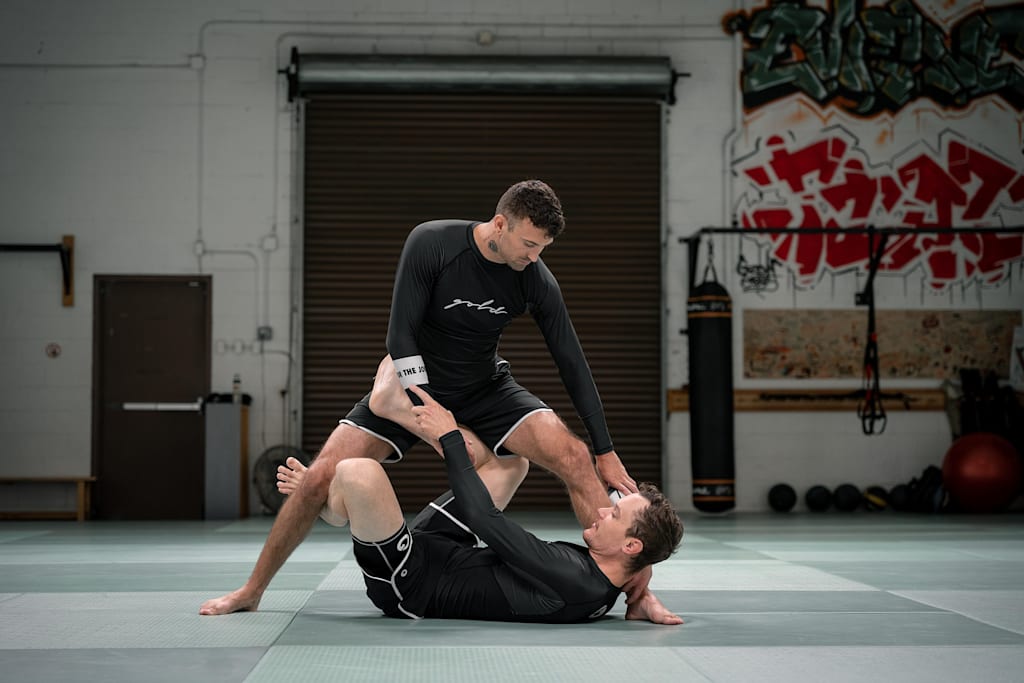
Thomas Czerniejewski is a dedicated Brazilian jiu-jitsu practitioner and passionate advocate for the martial art. In a sport where belt promotions often stand as visible symbols of progress, it is easy for practitioners to become fixated on rank. Yet true development in Brazilian jiu-jitsu rarely comes from chasing the next belt. It comes from committing to the daily process of learning, improving, and showing up with purpose. A process-driven mindset creates a stronger, more sustainable path for growth, both on and off the mat.
The Problem With Belt-Focused Thinking
Brazilian jiu-jitsu uses a belt ranking system to mark a student’s progress, technical development, and time invested in the art. While belts can be motivating and meaningful, they can also become a distraction when they are treated as the ultimate measure of success.
When practitioners place too much emphasis on promotions, training can start to feel like a race instead of a journey. That mindset often brings frustration, impatience, and unnecessary comparison. Instead of focusing on what they are learning, students may become preoccupied with how quickly they are advancing.
Belts have value, but they should be viewed as milestones rather than the destination. They may reflect progress, but they do not define the full depth of a practitioner’s development.
What Process Goals Really Mean
Process goals shift attention away from external outcomes and toward the daily habits that create improvement. In Brazilian jiu-jitsu, that means focusing on sharpening technique, improving timing, building endurance, and becoming more composed in training.
Unlike outcome-based goals, process goals are within the practitioner’s control. They encourage consistency and create a healthier relationship with training.
Examples of process goals include attending class regularly, drilling one technique with intention, staying calm during hard sparring rounds, reviewing mistakes after training, and tracking gradual improvements over time. These goals are grounded in action, not status, which makes them far more effective in the long run.
Why the Process Leads to Better Progress
A process-oriented mindset reduces pressure and allows practitioners to focus on learning instead of constantly measuring themselves against a belt. That creates a more productive training experience because the emphasis stays on growth rather than validation.
This approach also builds resilience. Progress in Brazilian jiu-jitsu is rarely smooth or predictable. There are plateaus, setbacks, and difficult phases that test patience. Practitioners who focus on the process are often better equipped to handle these moments because they are committed to steady improvement rather than immediate results.
Small efforts repeated consistently often produce greater results than short bursts of motivation. Over time, those repeated efforts create noticeable gains in skill, confidence, and performance.
Letting Go of Comparison
One of the biggest traps of belt-focused thinking is comparison. It becomes easy to judge progress by looking at someone else’s rank, pace, or achievements. But every practitioner’s path is different.
Training frequency, athletic background, age, responsibilities outside the gym, and even injury history can all affect development. Comparing one journey to another without considering those differences can create unrealistic expectations and discourage progress.
A process-based approach brings the focus back inward. Instead of asking how someone else is doing, practitioners begin asking better questions about their own development. What am I improving? Where am I struggling? What can I do better this week than I did last week? That shift creates a stronger, more grounded mindset.
Discipline Is Built Through Routine
Long-term success in Brazilian jiu-jitsu is rarely the result of occasional motivation. It comes from routine. Process goals help practitioners build discipline by creating habits they can return to consistently.
Showing up for class, drilling with purpose, paying attention during live rounds, and allowing time for recovery may seem simple, but those habits form the foundation of real progress. Over time, they become part of a lifestyle rather than a temporary push toward a promotion.
This is where training begins to take on deeper value. Instead of relying on external recognition, practitioners learn to appreciate the discipline of the work itself. The act of training becomes meaningful, regardless of when the next belt comes.
Seeing Jiu-Jitsu as a Long-Term Journey
Brazilian jiu-jitsu is widely known as a long-term pursuit. Improvement takes time, and mastery cannot be rushed. A process-driven mindset fits naturally with that reality.
When practitioners take the long view, they are less likely to become discouraged by slow periods or temporary setbacks. They understand that each class, each round, and each mistake is part of a much larger progression. That perspective creates patience and makes the experience more rewarding.
It also allows practitioners to enjoy training more fully. Without the constant pressure of chasing a promotion, they can engage with the art in a more present and meaningful way.
The Role of a Healthy Training Environment
The culture of a gym can strongly influence how students view progress. Coaches who emphasize consistency, effort, and technical growth help reinforce the importance of process goals. They remind students that improvement is built through practice, not entitlement.
Training partners matter as well. A supportive environment encourages experimentation, learning, and steady development. When a gym values growth over ego, students are more likely to stay motivated for the right reasons.
That kind of culture helps practitioners develop confidence without becoming consumed by comparison.
Measuring Progress Beyond the Belt
Even without using rank as the main benchmark, progress in Brazilian jiu-jitsu is easy to recognize. It often appears in subtle but important ways.
A practitioner may notice improved control during sparring, more efficient movement, better endurance, stronger positional awareness, or greater confidence when applying techniques under pressure. These signs often reveal more about real development than a belt color ever could.
Self-reflection can also be a valuable tool. Taking notes after training or mentally reviewing each session can help practitioners identify patterns, recognize improvement, and stay intentional about their goals.
Keeping Belts in the Right Perspective
Belts still matter. They represent effort, commitment, and progress within the structure of the art. The key is to place them in the proper context.
When belts are treated as the result of disciplined work rather than the primary goal, they become more meaningful. They reflect the training that has already happened instead of serving as the sole reason for it.
That balanced perspective helps practitioners stay motivated while remaining focused on the habits and mindset that truly lead to growth.
Thomas Czerniejewski is a dedicated Brazilian jiu-jitsu practitioner and passionate advocate for the martial art. His perspective highlights an important truth about Brazilian jiu-jitsu: lasting progress comes from trusting the process. By focusing on consistent effort, disciplined habits, and long-term development, practitioners can build deeper skill, stronger resilience, and a more meaningful connection to the art itself.
About the Creator
Thomas Czerniejewski
Thomas Czerniejewski is a dedicated Brazilian jiu-jitsu practitioner and passionate advocate for the martial art.
More about me here: https://solo.to/thomasczerniejewski
Enjoyed the story? Support the Creator.
Subscribe for free to receive all their stories in your feed.
Comments
There are no comments for this story
Be the first to respond and start the conversation.