
The Yuzu Frontier: Kochi Prefecture’s Strategic Push into Malaysia’s Premium Halal Market
Leveraging its debut at Mihas 2026, Japan’s renowned citrus producer is targeting discerning consumers with halal-certified, high-quality derivatives, defying global cost pressures to maintain culinary excellence.

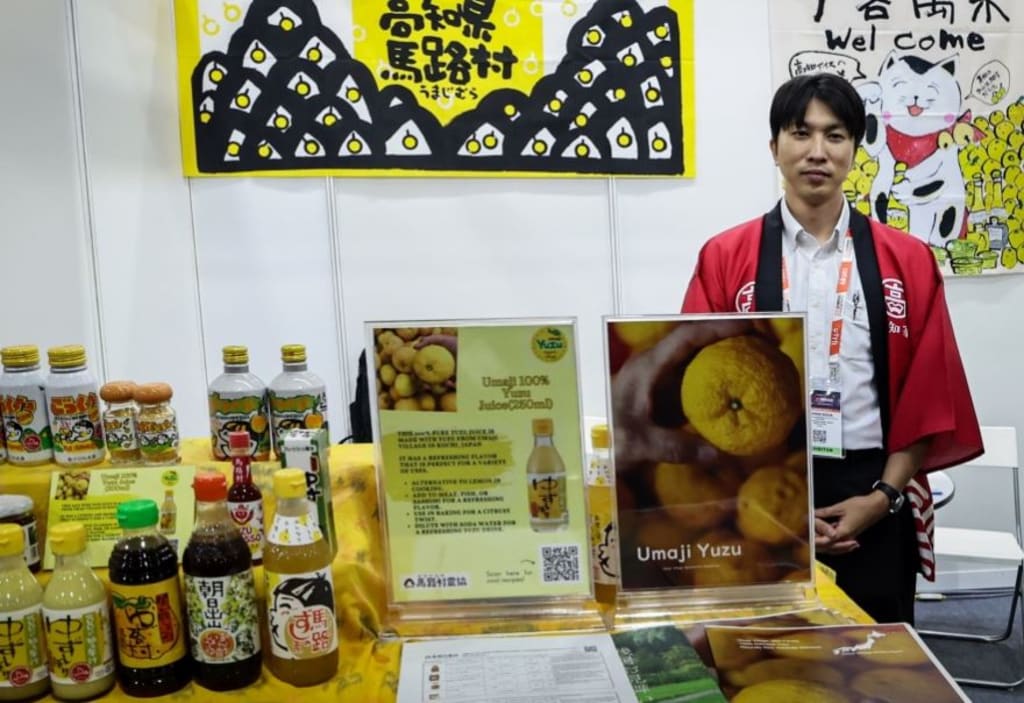
In the pantheon of global citrus fruits, Japan’s yuzu occupies a rarefied tier. Prized not for its juice, but for its intensely aromatic rind and complex, floral-citrus tang, yuzu has long been a closely guarded secret of Japanese cuisine. Today, however, this distinctive fruit is transcending its traditional culinary borders. Kochi Prefecture, the historic heartland of yuzu cultivation in Japan, is executing a strategic push into Malaysia’s lucrative and rapidly expanding halal market. Making its debut at the Malaysia International Halal Showcase (MIHAS) 2026 under the Japan Pavilion, Kochi is signaling a bold new chapter in its export strategy, aiming to transform a niche agricultural product into a mainstream premium commodity in Southeast Asia.
The participation in Mihas 2026 marks a significant milestone for the region. According to Akihisa Ikeda, Director of the Kochi Representative Office in Singapore, this is the prefecture’s first time exhibiting at the premier global halal event. The delegation featured two key industry players: Kochi Ice Co Ltd, a manufacturer specializing in premium desserts utilizing yuzu and other local citrus fruits, and the Umaji Village Agricultural Cooperative, which represents the region’s dedicated yuzu farmers. Their presence at the showcase is a direct response to a clear market signal: the growing, insatiable demand for high-quality, halal-certified food products in Malaysia and the broader ASEAN region.
"While some yuzu products from Kochi Prefecture are already being exported to Malaysia, there are still many untapped opportunities in other sectors," Ikeda noted on the sidelines of the event. This observation underscores a strategic pivot. Historically, Japanese agricultural exports to Southeast Asia have been fragmented or limited to niche, high-end Japanese restaurants. By securing halal certification for a diverse range of products from frozen desserts to beverages and jams, Kochi is deliberately unlocking access to Malaysia’s mainstream retail channels and its massive Muslim consumer base, which serves as a trusted gateway to the wider Islamic global market.
The foundation for this expansion is already being laid. Ikeda highlighted that halal-certified frozen desserts made with authentic Kochi yuzu juice are currently being served in Japanese restaurants across Malaysia. Furthermore, yuzu drinks and jams produced by the Umaji Village Agricultural Cooperative have successfully penetrated local retail outlets. This existing foothold proves that Malaysian consumers are not only receptive to the unique flavor profile of yuzu but are also actively seeking out authentic, certified Japanese products.
This regional strategy is bolstered by yuzu’s proven track record in neighboring ASEAN markets. Singapore was the first country in Asia to import yuzu products from Japan, establishing an early benchmark for premium Japanese citrus. In Thailand, the fruit has been enthusiastically adopted by the vibrant café culture, with yuzu-flavored beverages becoming a staple on modern menus. By aligning Malaysia with these successful regional precedents, Kochi Prefecture is positioning itself to capture a larger, more diversified market share across Southeast Asia, complementing its established export footprints in Europe and the United States.
Indeed, the global prestige of Kochi yuzu is a powerful asset in this expansion. While it is still gaining mainstream traction in parts of Asia, yuzu has already achieved the status of a "culinary sensation" in Europe, particularly in France. Renowned Michelin-starred chefs have embraced yuzu seasoning, oils, and condiments to add unparalleled depth and aromatic complexity to both savory and sweet dishes. This European validation serves as a potent marketing tool in Malaysia, elevating the perception of Kochi yuzu from a simple fruit to a premium, world-class culinary ingredient. It allows Malaysian distributors and retailers to position these products at the apex of the gourmet food sector.
Crucially, Kochi’s market entry is defined by an unwavering commitment to quality over cost-cutting, a refreshing stance in an era of global supply chain inflation. The yuzu cultivated in the mountainous villages of Kochi benefits from an ideal microclimate that yields fruit with an exceptionally strong, distinct aroma. This agronomic heritage is the core of the product’s value proposition. Acknowledging the current global economic climate, Ikeda was firm on the prefecture’s pricing strategy: there will be no downward adjustments to price to compete with cheaper alternatives, nor will there be compromises on the product to offset the rising costs of packaging and raw materials.
"The emphasis would be on maintaining the quality of yuzu-based products from Kochi," Ikeda affirmed. This premium positioning strategy is deliberate. The target demographic is not the bargain-hunting mass market, but rather discerning consumers, food enthusiasts, and hospitality professionals who understand and are willing to pay for the authentic quality and unique features of Kochi’s produce. In the halal food sector, where trust and quality are paramount, this commitment to integrity resonates deeply with both consumers and regulatory bodies.
Looking ahead, the trajectory for Kochi’s yuzu in Malaysia appears highly promising. Encouraged by the overwhelmingly positive market reaction to Japanese yuzu-based products, producers are now aggressively focusing on expanding their distribution channels. The goal is to move beyond specialized Japanese grocers and high-end restaurants, embedding halal-certified yuzu jams, drinks, and culinary ingredients into the everyday shopping experience of the Malaysian middle and upper classes.
Ultimately, Kochi Prefecture’s strategic push into Malaysia is more than just an agricultural export initiative; it is a masterclass in premium brand building. By leveraging the rigorous standards of halal certification, capitalizing on its global culinary prestige, and refusing to compromise on its mountain-grown quality, Kochi is ensuring that its prized yuzu will not just be a passing trend in Malaysia, but a lasting, flavorful staple in the nation’s evolving gastronomic landscape.
About the Creator
Mark Lim
Hi I am mark an automotive student and a car, tech and food enthusiast ! Im gonna try and post daily & hope you enjoy what I write and do share my page with people you know. I would gladly appreciate it! Cheers
Enjoyed the story? Support the Creator.
Subscribe for free to receive all their stories in your feed.
Comments
There are no comments for this story
Be the first to respond and start the conversation.