
The Universal Language of Music
How Music Shapes Emotions, Culture, and Human Connection Across Generations
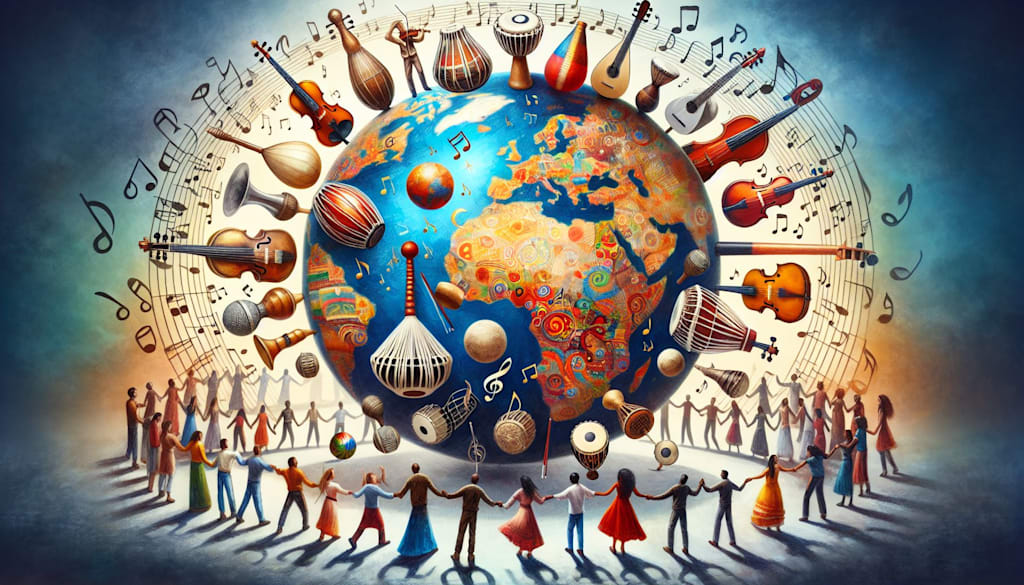
Music is one of the most powerful forms of human expression. It exists in every culture, every country, and every generation. From ancient tribal rhythms to modern digital compositions, music has played a major role in shaping societies, emotions, and identities. It is more than just entertainment—it is a universal language that communicates feelings, stories, and experiences without needing words.
The History of Music
The history of music dates back thousands of years. Early humans likely created music using simple tools such as sticks, stones, and drums made from animal skin. Ancient civilizations such as Egypt, Greece, India, and China used music in religious ceremonies, celebrations, and storytelling.
In ancient Greece, music was considered an essential part of education and philosophy. Greek scholars believed music had the power to influence emotions and behavior. During the Middle Ages, music became strongly connected to religion, with churches using chants and hymns during worship.
The Renaissance period brought major developments in musical instruments and composition. During this time, artists and musicians experimented with harmony and melody. Later, the Classical era introduced composers such as Mozart and Beethoven, whose works remain respected and admired today.
As technology evolved, music also transformed. The invention of radio, records, CDs, and digital streaming changed how people listened to music. Today, anyone can access millions of songs instantly through smartphones and online platforms.
Different Genres of Music
Music comes in many genres, each with its own style, instruments, and cultural background. Genres allow listeners to connect with specific moods, traditions, and communities. Tubidy
Pop Music
Pop music is one of the most popular genres worldwide. It is known for catchy melodies, simple lyrics, and strong rhythms. Pop music is often created for mass appeal and is commonly heard on radio stations and streaming services.
Rock Music
Rock music developed in the mid-20th century and quickly became a cultural movement. It is often characterized by electric guitars, drums, and energetic performances. Rock music has many subgenres, including alternative rock, punk rock, and classic rock.
Classical Music
Classical music is known for its complexity, structure, and emotional depth. It often includes orchestras, pianos, violins, and other traditional instruments. Classical compositions are appreciated for their timeless beauty and technical brilliance.
Jazz Music
Jazz originated in the United States and is famous for improvisation and creativity. Musicians often experiment with rhythm, harmony, and tempo during performances. Jazz has influenced many other music genres over time.
Hip-Hop and Rap
Hip-hop emerged as a cultural movement that includes music, dance, art, and fashion. Rap music focuses heavily on lyrical storytelling, rhythm, and beats. Hip-hop has become one of the most influential genres in modern music culture.
Folk Music
Folk music reflects the traditions and stories of local communities. It often uses acoustic instruments and simple melodies. Folk songs are passed down through generations and preserve cultural identity.
The Emotional Power of Music
Music has a strong connection to human emotions. A song can make someone feel happy, sad, motivated, relaxed, or nostalgic. Different melodies, rhythms, and lyrics affect people in unique ways.
Scientists have discovered that music can influence brain activity and emotional responses. Listening to calming music can reduce stress and anxiety, while upbeat music can improve energy and focus. Many people use music to cope with difficult situations or celebrate joyful moments.
Music also creates memories. Hearing a particular song can remind someone of a special event, relationship, or phase of life. This emotional connection makes music deeply personal.
Music and Culture
Music is closely tied to culture and identity. Different regions of the world have unique musical traditions. For example, traditional Indian music uses ragas and classical instruments, while African music often includes powerful rhythms and percussion.
Music also plays an important role in festivals, ceremonies, and national celebrations. National anthems, wedding songs, and cultural performances help communities express pride and unity.
In modern society, music connects people across cultures. Global streaming platforms allow listeners to discover songs from countries they may never visit. This exchange of musical styles creates understanding and appreciation among different communities.
The Impact of Technology on Music
Technology has transformed the music industry in many ways. In the past, artists relied on record labels and physical sales. Today, musicians can produce and distribute music independently.
Digital software allows artists to record songs from home studios. Social media platforms help musicians reach audiences directly. Streaming services have made music more accessible than ever before.
Technology has also changed how music is created. Electronic music, artificial intelligence, and digital instruments allow artists to experiment with new sounds. These innovations continue to shape the future of music.
Benefits of Listening to Music
Listening to music offers many benefits for mental, emotional, and physical well-being.
Music can reduce stress and anxiety.
It helps improve concentration and focus.
Music can enhance mood and motivation.
It supports memory and learning.
Listening to music during exercise can increase energy and performance.
Relaxing music can improve sleep quality.
Because of these benefits, music is often used in therapy and healthcare. Music therapy helps individuals manage emotional challenges, improve communication skills, and support recovery.
Music as a Career
Music is not only a passion but also a profession. Many people work in the music industry as singers, composers, producers, DJs, sound engineers, and music teachers.
The rise of online platforms has created new opportunities for independent musicians. Artists can upload songs, build audiences, and earn income without depending entirely on traditional record labels.
However, success in music often requires dedication, creativity, and persistence. Building a career in music can take years of practice and networking.
The Future of Music
The future of music looks exciting and innovative. Artificial intelligence is already helping create melodies and compositions. Virtual concerts and digital performances are becoming more common.
As technology continues to evolve, music will likely become even more interactive and personalized. People may experience music through virtual reality, immersive sound systems, and advanced streaming platforms.
Despite these changes, the core purpose of music will remain the same: to connect people, express emotions, and inspire creativity.
Conclusion
Music is a timeless and universal art form that brings people together. It has evolved throughout history, adapting to different cultures, technologies, and generations. Whether through classical symphonies, modern pop songs, or traditional folk melodies, music continues to influence emotions, memories, and society.
The beauty of music lies in its ability to cross language barriers and create meaningful experiences. No matter where people come from, music has the power to unite hearts and tell stories that words alone cannot express.
About the Creator
Enjoyed the story? Support the Creator.
Subscribe for free to receive all their stories in your feed.
Comments
There are no comments for this story
Be the first to respond and start the conversation.