
The Universal Language: Music's Enduring Power in Human Life
The Timeless Rhythm of Humanity: Why Music Moves Us All
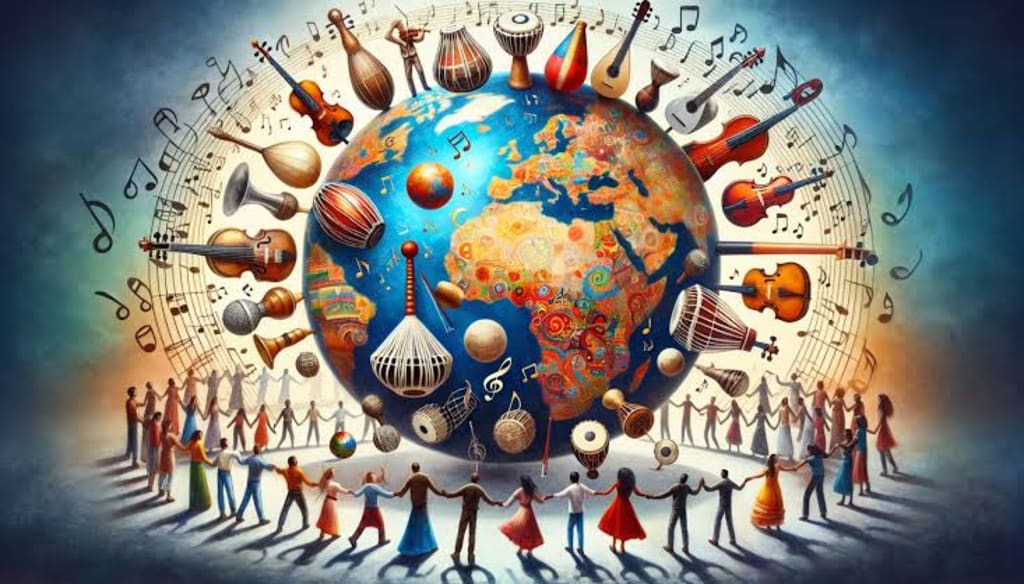
Music is one of humanity's most profound creations—a cultural universal that transcends borders, languages, and eras. From the rhythmic beats of ancient drums to the algorithm-driven playlists of today, music has shaped emotions, societies, and identities. It is both art and science, therapy and rebellion, memory and innovation. In a world of constant change, music remains a constant companion, reflecting who we are and who we aspire to be.
A Journey Through Time: The History of Music
The origins of music are ancient and mysterious. Archaeological evidence points to musical instruments dating back at least 40,000 years, with flutes crafted from bird bones and mammoth ivory found in European caves. Prehistoric cultures likely used music for rituals, storytelling, and social bonding, long before written records.
Every known society has developed its own musical traditions. In ancient India, China, Greece, and Egypt, music held deep philosophical and educational value. Pythagoras in ancient Greece treated music as a branch of mathematics, exploring harmony and its effects on the soul. In the Middle Ages, Gregorian chant dominated European sacred music, while the Renaissance brought polyphony and greater expressiveness.
The Baroque era (roughly 1600–1750) introduced ornate complexity with composers like Bach, Handel, and Vivaldi. The Classical period (Haydn, Mozart, Beethoven) emphasized balance, clarity, and emotional depth. Romanticism in the 19th century amplified personal expression and drama. The 20th century exploded with innovation: jazz, rock 'n' roll, hip-hop, electronic music, and global fusions redefined sound and culture.
Blues, in particular, proved extraordinarily influential, birthing rock, R&B, and much of modern popular music. Jazz revolutionized improvisation and cross-cultural exchange. Today, hip-hop and pop dominate streaming charts, blending global influences while retaining raw storytelling power.
The Science of Sound: How Music Affects the Brain and Body
Music is not just entertainment; it is a powerful neurological force. Listening to or making music activates multiple brain regions simultaneously—those involved in emotion, memory, movement, reward, and even language. It triggers the release of dopamine (the "pleasure" chemical), serotonin, and oxytocin, fostering joy, bonding, and relaxation.
Key benefits include:
Stress reduction and mood enhancement: Music lowers cortisol levels and can shift emotional states. Techniques like the "iso-principle" (matching music to current mood then gradually changing it) help regulate emotions effectively.
Pain relief and physical performance: Music distracts from discomfort and synchronizes heart rate and movement, making workouts more enjoyable and effective.
Cognitive and therapeutic power: It aids memory (famous in Alzheimer's care), supports stroke recovery, improves focus, and even boosts immune function. Playing an instrument provides a full-brain workout, enhancing attention, problem-solving, and neuroplasticity.
Social connection: Group singing or shared listening builds empathy and community.
These effects explain why music therapy is increasingly used in hospitals, schools, and mental health settings.
Genres and Cultural Impact
Music genres evolve like living organisms, borrowing, mutating, and influencing society. Hip-hop leads globally in streams, driving fashion, language, and activism. Pop offers broad accessibility, while rock, EDM, Latin, K-pop, R&B, jazz, and classical each command dedicated audiences.
Beyond charts, music has driven social change: civil rights anthems, anti-war protests, feminist movements, and global solidarity. It shapes identity—teens find belonging in subcultures, while elders reconnect with youth through nostalgic tunes.
The Music Industry Today and Tomorrow
The industry in 2026 is dynamic and challenging. Streaming has democratized access but flooded the market with content, making attention the scarcest resource. AI is transforming creation, discovery, recommendation, and even licensing, raising questions about originality, royalties, and ethics.
Trends include:
Social discovery via Tubidy and communities.
Demand for high-quality lossless audio.
Integration of music into games, apps, and immersive experiences.
Expanded creator monetization beyond traditional royalties.
AI tools for production alongside concerns over fraud and fair compensation.
Despite technology, human connection and authentic emotion remain at music's core.
Why Music Matters More Than Ever
In an age of division and digital overload, music unites. It helps process grief, celebrate joy, motivate change, and simply endure daily life. Whether you're a casual listener, aspiring artist, or lifelong musician, engaging with music enriches existence.
Start your own exploration: curate a playlist that moves you, pick up an instrument, attend a live show, or share a song with someone. Music's greatest gift is its accessibility—no special skills required to feel its magic.
As Plato noted centuries ago, music gives "soul to the universe, wings to the mind, flight to the imagination, and life to everything." In 2026 and beyond, that truth endures. Turn up the volume, and let the rhythm carry you.
About the Creator
Enjoyed the story? Support the Creator.
Subscribe for free to receive all their stories in your feed.
Comments
There are no comments for this story
Be the first to respond and start the conversation.