
The Ultimate Guide to Smoke Detectors for the Deaf
Protect your home with advanced smoke alarms for the deaf and hearing impaired, featuring visual and vibration alerts for inclusive fire safety.
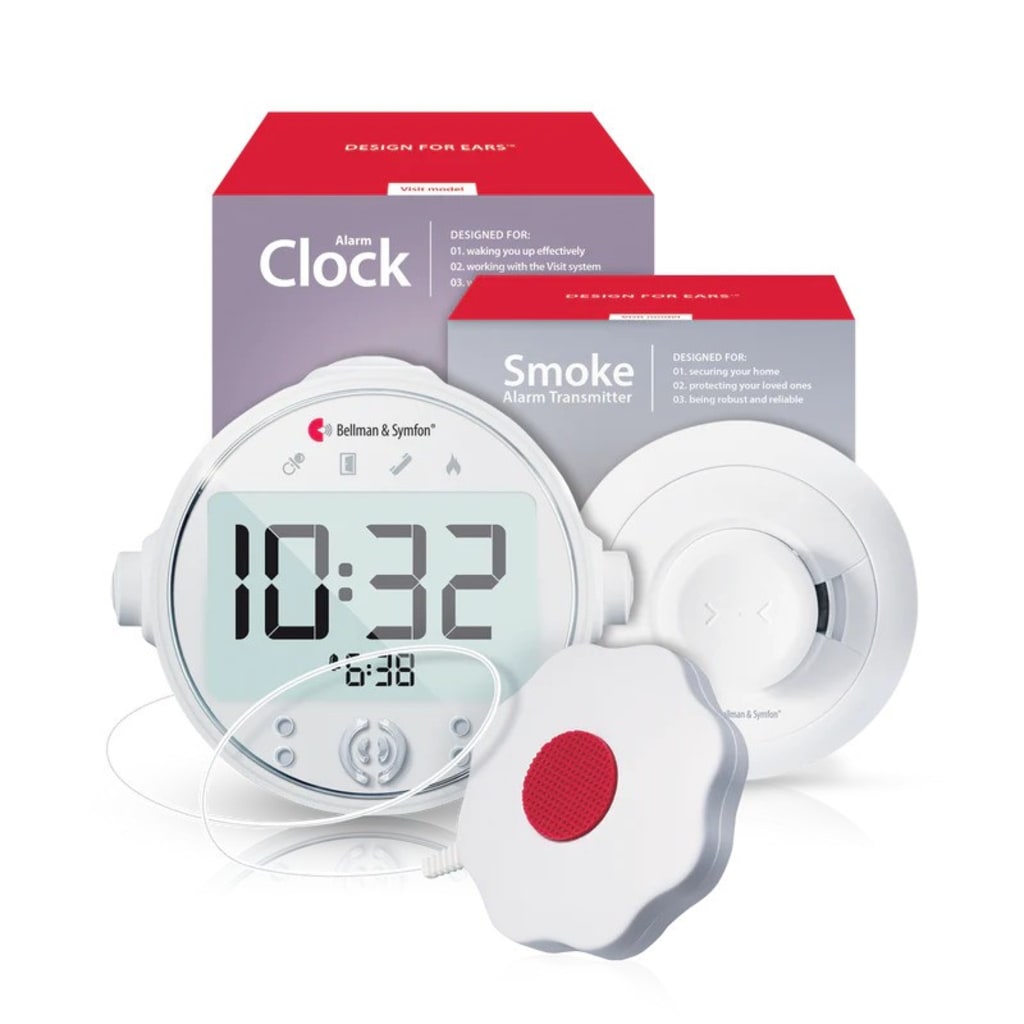
Safety is a universal need, yet traditional solutions don't always cater to everyone. Standard smoke alarms fall short of providing reliable fire alerts for individuals who are deaf or hearing impaired. This guide explores the best smoke alarms for the deaf and hearing impaired, highlighting their features, benefits, and how they ensure safety for all.
Understanding the Need for Specialized Smoke Detectors
When a fire breaks out, every second counts, traditional smoke alarms emit loud, high-pitched sounds to alert people, but these signals are ineffective for those with significant hearing loss.
People with hearing impairments may not hear alarms, especially during deep sleep.
Lack of awareness during emergencies can lead to delayed evacuations, increasing risks of injury or fatality.
By integrating alternative alert methods, smoke detectors for the deaf bridge this critical safety gap.
How Do Smoke Alarms for the Deaf and Hearing Impaired Work?
These innovative devices rely on non-auditory signals to deliver alerts effectively:
Flashing Strobe Lights: High-intensity lights flash repeatedly, grabbing attention instantly.
Vibration Pads: Vibrating devices can be placed under pillows or mattresses to wake users in emergencies.
Smart Device Notifications: Advanced alarms send notifications to smartphones or wearable devices, ensuring warnings reach users wherever they are.
These features are designed to provide a reliable safety net, even in the most critical situations.
Features to Consider in Smoke Alarms for Hearing Impairments
Choosing the right smoke alarm can make all the difference. Look for these key features:
Brightness of Strobe Alerts: High-powered LED lights ensure visibility even in brightly lit rooms.
Tactile Options: Vibrating alarms or bed shakers protect sleep.
Compatibility with Smart Systems: Devices that sync with home automation systems offer convenience and enhanced functionality.
Battery Longevity: Long-lasting batteries or rechargeable options reduce maintenance worries.
Reliability in Multi-Signal Systems: Ensure the alarm offers redundant signals, combining visual, tactile, and digital notifications.
Get the best smoke/fire detectors for deaf people at shop.bellman.com today for your beloved ones.
Why Smoke Detectors for the Deaf Are Vital
The statistics surrounding fire-related incidents underscore the importance of having effective safety measures:
- Fires account for thousands of home injuries annually, with early warnings significantly reducing risks.
- Specialized alarms can mean the difference between timely evacuation and delayed response for those hearing impaired.
- These alarms provide peace of mind for families, caretakers, and individuals by ensuring inclusive safety.
Placing Smoke Detectors for Maximum Effectiveness
To maximize their efficiency, smoke alarms must be strategically installed:
Sleeping Areas: Place tactile alarms like bed shakers near pillows or beds.
Hallways: Install strobe alarms to cover common areas effectively.
Kitchens: Place alarms nearby, but avoid areas prone to false triggers from cooking smoke.
Basements and Attics: Don't overlook these often-neglected spaces where fires can start unnoticed.
By covering all critical areas, you ensure comprehensive home safety.
Integrating Smoke Detectors with Smart Home Systems
Modern smoke alarms now sync seamlessly with smart home ecosystems, offering additional benefits:
- Receive real-time notifications through smartphones or smart speakers.
- Monitor alarms remotely, even when away from home.
- Automate other safety actions, like unlocking doors or turning on lights during emergencies.
- These integrations simplify fire safety management and make your home smarter and safer.
Common Misunderstandings About Smoke Detectors for the Deaf
Despite their importance, several misconceptions persist:
- "They're only for people with complete hearing loss." In reality, anyone with partial hearing impairment can benefit from these alarms.
- "They're overly complicated to use." Most models are user-friendly and designed for easy setup and operation.
- "Regular alarms are sufficient with some modifications." With proper features like strobe lights or vibration, regular alarms are adequate for effective alerting.
Debunking these myths can encourage more widespread adoption of these life-saving devices.
Maintaining Smoke Alarms: Best Practices
To ensure consistent performance, follow these maintenance tips:
- Test alarms monthly to verify functionality.
- Replace batteries regularly or switch to models with rechargeable options.
- Clean devices periodically to remove dust and debris.
- Check the manufacturer's lifespan recommendations and replace alarms as needed.
Proper care extends the life of your alarms and ensures they remain dependable.
What Makes Smoke Alarms for the Deaf a Worthwhile Investment?
- While the initial cost of these devices may be higher than standard alarms, their benefits far outweigh the expense:
- They offer tailored solutions, ensuring everyone in the household is alerted during emergencies.
- Advanced models provide multifunctional alerts that cater to a variety of hearing levels.
- Investing in these devices enhances both safety and quality of life for deaf individuals.
The peace of mind they bring is truly priceless.
Steps to Choose the Best Smoke Alarm for Your Home
Here's a quick guide to selecting the perfect alarm:
- Assess Needs: Consider whether visual, tactile, or intelligent alerts are most suitable.
- Evaluate Coverage: Choose interconnected systems for larger homes.
- Research Brands: Opt for reliable manufacturers with proven track records.
- Check Reviews: User feedback often provides valuable insights into device performance.
Making informed decisions can create a safer living space for everyone.
Final Thoughts on Smoke Alarms for the Deaf
Ensuring home safety is a priority, especially for those with specific needs. Smoke alarms for the deaf and hearing impaired play a crucial role in making fire safety accessible to all. With a variety of options available, from strobe-based alarms to smart integrated systems, there's a solution for every home and budget. Investing in these devices takes a vital step toward creating a secure and inclusive environment.
About the Creator
Enjoyed the story? Support the Creator.
Subscribe for free to receive all their stories in your feed.
Comments
There are no comments for this story
Be the first to respond and start the conversation.