
The Ultimate Guide to Ceramic Coating: Unleashing the True Potential of Automotive Protection
RSDC STALLIONS - Car Detailing In Noida
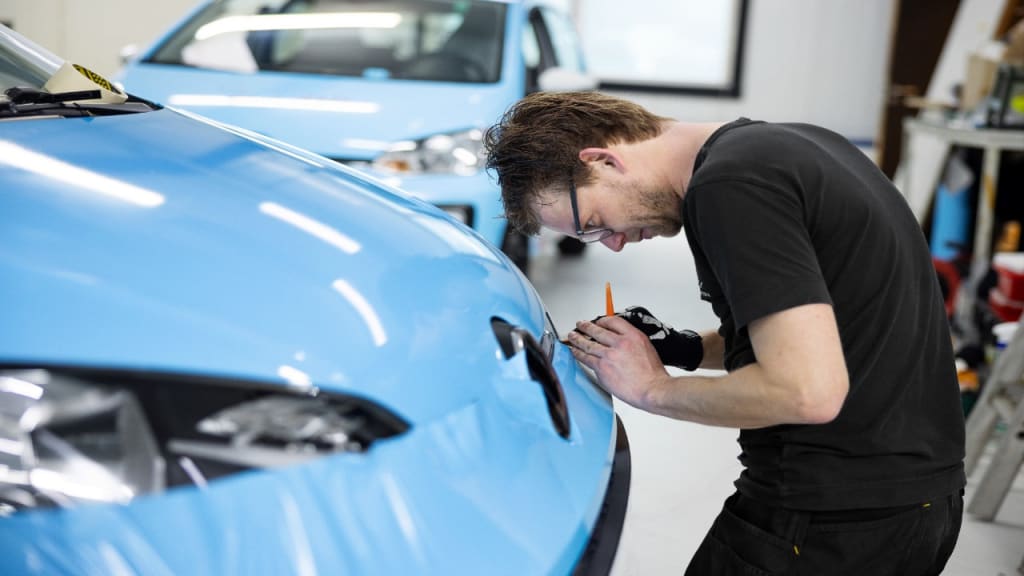
Introduction
Welcome to our comprehensive guide on ceramic coating, the revolutionary solution for automotive protection. In this article, we will delve deep into the world of ceramic coatings, providing you with invaluable insights, expert advice, and a wealth of information that will empower you to make an informed decision. Whether you're a car enthusiast or a meticulous car owner looking to enhance your vehicle's appearance and safeguard its paintwork, this guide is your go-to resource. Let's embark on this journey together and unlock the secrets of ceramic coating!
Understanding Ceramic Coating
Ceramic coating is a Nano-ceramic polymer coating that forms a protective layer on the surface of your vehicle. It is meticulously designed to bond with the paintwork, providing a durable shield against various environmental contaminants, UV rays, chemicals, and scratches. Unlike traditional waxes and sealants, ceramic coatings offer long-lasting protection and exceptional hydrophobic properties.
The Benefits of Ceramic Coating
1. Enhanced Paint Protection
The primary benefit of ceramic coating is its ability to protect your vehicle's paintwork from the harsh elements it encounters daily. The durable ceramic layer acts as a sacrificial barrier, shielding your car's paint from oxidation, UV damage, bird droppings, tree sap, and other pollutants. This preservation of your vehicle's original paint contributes to its longevity and resale value.
2.Hydrophobic Properties
Ceramic coatings boast outstanding hydrophobic properties, meaning they repel water and prevent dirt, grime, and contaminants from adhering to the surface. The hydrophobic nature of the coating facilitates easy cleaning, reduces the frequency of car washes, and ensures a glossy, spotless finish that lasts longer.
3. Chemical Resistance
Ceramic coatings offer excellent resistance against harsh chemicals found in detergents, cleaners, and environmental pollutants. This chemical resistance prevents paint etching and staining, keeping your vehicle looking fresh and well-maintained.
4. Scratch and Swirl Resistance
With its remarkable hardness, ceramic coating acts as a protective shield against minor scratches and swirl marks caused by improper washing techniques or accidental contact. While it cannot prevent all types of scratches, it significantly reduces the risk and helps maintain a pristine appearance.
5. UV Protection
Prolonged exposure to the sun's ultraviolet (UV) rays can cause paint fading and degradation. Ceramic coatings provide a UV-protective layer, shielding your vehicle's paint from the harmful effects of UV rays and maintaining its vibrant color for longer periods.
The Application Process
The application of ceramic coating is a meticulous process that requires skill and attention to detail. To ensure optimal results, it is advisable to seek professional assistance or follow the manufacturer's instructions carefully. Here are the general steps involved in applying a ceramic coating:
1.Vehicle Preparation
Thoroughly wash and decontaminate the vehicle's exterior to remove any dirt, grease, or residue. This step may involve using a clay bar to eliminate embedded contaminants and achieve a smooth surface.
2. Surface Correction
If your vehicle has any imperfections, such as swirl marks, scratches, or oxidation, it is recommended to perform paint correction before applying the ceramic coating. This process involves using abrasive compounds and polishing techniques to restore the paintwork's clarity and gloss.
3. Ceramic Coating Application
Apply the ceramic coating following the manufacturer's instructions. It is crucial to work in a controlled environment, free from dust and direct sunlight, to ensure the best results. Use a high-quality applicator or microfiber cloth to apply the coating evenly onto the surface, working in small sections at a time. Allow the coating to bond with the paintwork for the specified duration.
4. Curing and Final Touches
After the coating has bonded, it is essential to allow sufficient curing time. This period can range from a few hours to several days, depending on the specific product. Avoid exposing the vehicle to rain or washing during this curing phase. Once the coating has fully cured, inspect the surface for any missed areas or imperfections. Touch up if necessary and give your vehicle a final buff to reveal the mesmerizing gloss and shine of the ceramic coating.
5. Maintenance and Care
To maximize the longevity and effectiveness of your ceramic coating, proper maintenance and care are essential. Here are some tips to keep your coated vehicle in pristine condition:
6. Gentle Washing Techniques
When washing your vehicle, use a pH-neutral car shampoo and a soft, microfiber wash mitt or sponge. Avoid aggressive scrubbing or using abrasive materials that may damage the coating. Rinse the vehicle thoroughly to remove any loose dirt or contaminants before washing.
7. Regular Maintenance Washes
Perform regular maintenance washes to remove surface dirt and maintain the hydrophobic properties of the ceramic coating. Use a dedicated ceramic coating maintenance spray or a waterless wash solution to enhance the shine and cleanliness of your vehicle.
8.Avoid Harsh Chemicals
Avoid using harsh chemicals, acidic cleaners, or aggressive solvents on your coated vehicle. These substances can compromise the integrity of the coating and diminish its protective properties.
9. Drying Techniques
After washing, use a clean, microfiber drying towel to gently dry the vehicle. Avoid air-drying or allowing water droplets to evaporate on the surface, as this can leave behind water spots.
10. Periodic Inspection and Maintenance
Regularly inspect your vehicle's ceramic coating for any signs of wear or deterioration. If you notice any weak areas or diminished hydrophobicity, consider applying a maintenance coating or seeking professional assistance to rejuvenate the protective layer.
Common Misconceptions
1. Ceramic Coating as a Substitute for Paint Protection Film (PPF)
While ceramic coatings offer excellent paint protection, they should not be considered a substitute for Paint Protection Film (PPF). PPF provides a thicker, physical barrier against stone chips, scratches, and more severe impacts. Ceramic coatings and PPF can complement each other to provide comprehensive protection for your vehicle.
2. Infinite Scratch Resistance
Although ceramic coatings provide scratch resistance against minor abrasions, they are not impervious to all types of scratches. It is crucial to handle your vehicle with care, avoid contact with sharp objects, and maintain proper washing techniques to minimize the risk of scratches.
3.One-Time Application
While ceramic coatings offer long-lasting protection, they are not permanent. Over time, the coating may gradually wear off due to exposure to environmental factors, frequent washing, and general wear and tear. Periodic maintenance and reapplication may be necessary to maintain the coating's effectiveness.
Choosing the Right Ceramic Coating
Choosing the right ceramic coating for your vehicle is crucial to ensure optimal performance and longevity. Consider the following factors when selecting a ceramic coating:
1.Quality and Durability
Look for reputable brands that offer high-quality ceramic coatings known for their durability and longevity. Read customer reviews and consult with professionals in the automotive industry for recommendations.
2.Application Complexity
Consider your skill level and comfort with DIY application versus seeking professional assistance. Some ceramic coatings require more intricate application processes, while others are designed for easier application by car enthusiasts.
3. Long-Term Benefits
Evaluate the specific features and benefits offered by different ceramic coatings. Look for coatings that provide enhanced hydrophobic properties, UV protection, chemical resistance, and scratch resistance to suit your vehicle's needs.
4.Warranty and Customer Support
Check if the ceramic coating comes with a warranty or guarantee of performance. Additionally, consider the availability of customer support and assistance in case you have any questions or concerns.
Conclusion
Congratulations! You have now become well-versed in the world of ceramic coating. By understanding its benefits, application process, and proper maintenance, you are equipped with the knowledge to make informed decisions about protecting and enhancing your vehicle's appearance.
Remember, ceramic coating offers a remarkable level of paint protection, hydrophobicity, and UV resistance. It acts as a shield against environmental contaminants, enhances the gloss and shine of your vehicle, and helps maintain its value over time.
When choosing a ceramic coating, prioritize quality, durability, and the specific needs of your vehicle. Consider seeking professional assistance for the application process if you're not confident in your skills.
With the proper care and maintenance, your ceramic-coated vehicle will continue to turn heads and shine for years to come. Enjoy the benefits of ceramic coating and let your vehicle's true potential be unleashed!
About the Creator
Enjoyed the story? Support the Creator.
Subscribe for free to receive all their stories in your feed.
Comments
There are no comments for this story
Be the first to respond and start the conversation.