
The U.S. Economy: A Terrifying Time for Shoppers.
From goods cost to employment worries—what’s at the back of the drop in consumer confidence?
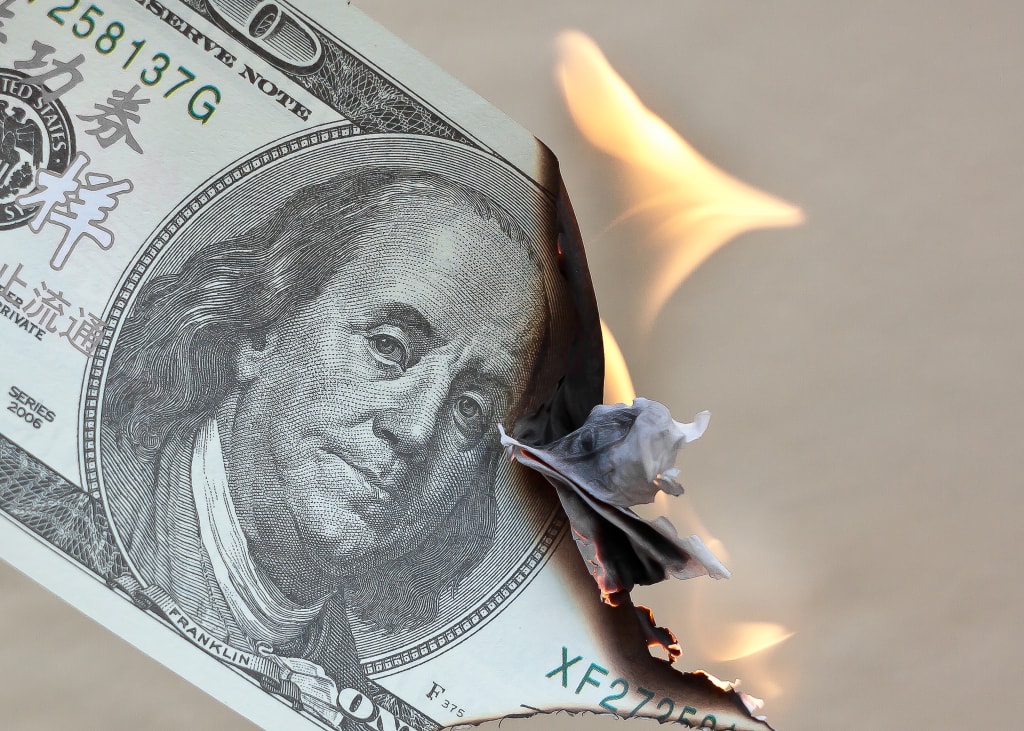
Consumer Sentiment Declines in the U.S. Amid Economic Uncertainty
In recent months, economic uncertainty has continued to grow, raising concerns about the outlook for the future. As a result, consumer confidence in the United States has suffered significantly. The most recent consumer sentiment report from the University of Michigan found that sentiment dropped from 79.4 in March to 77.9 in April, which marked the lowest level in three months. This decline reflects Americans' growing concerns regarding inflation, ongoing international tensions, and economic stability as a whole. As a result, many people are cutting back on spending and tightening their belts in preparation for challenging times. The rise in 12-month inflation expectations, which climbed to 3.5%, the highest level since 1981, is one of the report's most striking features. The rising costs of everyday necessities like housing, fuel, and groceries are largely to blame for this rise. All of these factors have increased the financial strain on American households. Families are particularly feeling the squeeze at the grocery store, where food prices continue to rise, and at the gas pump, where volatility in oil prices has driven up transportation costs. Housing costs have skyrocketed in many areas, making it harder for families to buy a home or even pay their rent on time. Many analysts and economists point to the escalating trade tensions between the U.S. and China as a major contributing factor to the economic uncertainty. Recently, the U.S. raised tariffs on Chinese imports to as high as 145%, while China retaliated by imposing its own tariffs of up to 125% on American goods. In addition to disrupting global supply chains, these trade policies have increased domestic price pressure, particularly in manufacturing and electronics industries that rely on Chinese imports. As a result, American consumers are feeling the financial pinch in the form of higher prices for goods that were once more affordable.
Meanwhile, ongoing geopolitical conflicts, particularly the war in Ukraine and instability in the Middle East, have contributed to further economic instability. These tensions have kept oil prices volatile, further driving up the cost of gasoline and impacting global markets. The instability in these regions has also added an extra layer of uncertainty to the global economy, leading to cautious investor behavior and creating an environment of volatility. These conditions only serve to exacerbate existing concerns about inflation and economic stagnation, further dampening consumer sentiment.
Despite low unemployment rates in the U.S., the job market is not immune to the broader economic shifts. Several major layoffs in the tech, finance, and other sectors have left many workers feeling insecure about their future prospects. The tech industry, for example, is undergoing rapid changes due to automation and restructuring, and many companies are trimming their workforce as part of their cost-cutting efforts. As a result, even workers with stable employment are becoming increasingly anxious about job security. While employment figures remain relatively stable, wage growth has stalled in many industries, and many Americans are finding it harder to make ends meet.
This drop in consumer sentiment is more than just a statistical trend—it has tangible implications for the broader economy. When consumers feel uncertain about their financial future, they tend to reduce discretionary spending and delay major purchases such as cars, appliances, or even vacations. This, in turn, leads to a slowdown in overall economic activity, as consumer spending accounts for a significant portion of U.S. GDP. Economists have warned that this dip in consumer confidence could lead to weaker economic growth in the second half of 2025, potentially pushing the country closer to a recession if the trend continues.
The Federal Reserve is expected to carefully monitor these developments in the future and make decisions based on them. With inflationary pressures rising and sentiment weakening, the central bank faces a difficult balancing act between maintaining economic stability and avoiding overcorrection. Many experts believe that restoring public confidence will require targeted relief efforts, clearer communication from policymakers, and initiatives aimed at controlling prices in key sectors. Additionally, addressing wage stagnation and providing support to vulnerable households could go a long way toward improving overall sentiment.
Ultimately, consumer sentiment serves as a critical barometer of economic health. As Americans grow more cautious about their financial futures, restoring confidence in the economy will be essential not only for short-term recovery but also for long-term resilience. The challenge for policymakers and businesses will be to create an environment where consumers feel secure enough to spend and invest again, which will, in turn, drive economic growth and help the country navigate its way through this uncertain period.
About the Creator
Shuvo Talukder
I'm an Artist, a Philosopher, a Writer and a Dreamer.
Enjoyed the story? Support the Creator.
Subscribe for free to receive all their stories in your feed.
Comments
There are no comments for this story
Be the first to respond and start the conversation.