
The Tiny Medical Device Preventing Big Complications
Why catheter stabilization devices are becoming essential to safer hospitals and better patient care
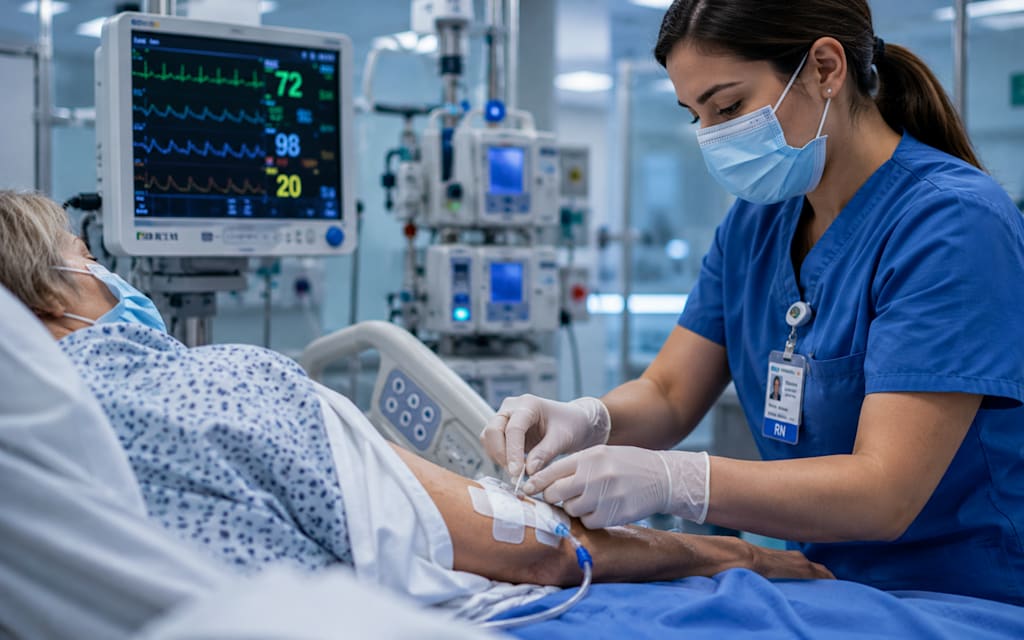
The nurse checked the IV line again before stepping away from the bedside.
To most people in the room, the transparent tube taped carefully against the patient’s arm looked routine—almost invisible amid the monitors, medication pumps, and clinical equipment surrounding the hospital bed. But experienced healthcare workers know something many patients never realize:
Even a small catheter movement can create serious complications.
Dislodged lines.
Skin damage.
Painful reinsertion procedures.
Infections that prolong hospital stays.
In modern healthcare, something as simple as securing a catheter properly can significantly affect patient safety.
That’s why hospitals around the world are increasingly investing in specialized securement technologies designed to stabilize catheters more effectively while reducing complications and improving comfort.
And in critical care environments, tiny improvements often save enormous costs—both medically and emotionally.
---
### The Hospital Device Most Patients Never Notice
Catheters are among the most commonly used medical devices in healthcare.
They help deliver medications, fluids, nutrition, and critical treatments directly into the body through vascular access systems, urinary drainage systems, and other medical procedures.
But catheters are only effective when they remain stable.
Movement, accidental pulling, or improper securement can lead to complications such as:
* Catheter dislodgement
* Skin irritation
* Tissue damage
* Infection risk
* Interrupted treatment delivery
* Additional invasive procedures
Catheter stabilization devices are specifically designed to secure catheters safely while minimizing unnecessary movement.
These systems often replace traditional tape-based methods with advanced adhesive securement technologies engineered for both safety and patient comfort.
According to Mordor Intelligence, the catheter securement devices market size is expected to grow from USD 1.79 billion in 2025 to USD 1.89 billion in 2026 and is forecast to reach USD 2.45 billion by 2031 at 5.34% CAGR over 2026-2031. The growth is driven by rising hospitalization rates, increasing chronic disease management needs, expanding surgical procedures, and growing awareness surrounding hospital-acquired infection prevention.
But behind the market numbers lies something profoundly human:
The effort to make healthcare safer in ways patients may never even notice.
---
### Small Medical Errors Can Become Serious Problems
Modern hospitals manage extraordinary complexity every day.
Thousands of procedures.
Constant patient movement.
Emergency interventions.
Critical medication administration.
In those fast-moving environments, even seemingly minor device complications can escalate quickly.
A displaced catheter may require reinsertion. Reinsertions increase discomfort, consume staff time, and potentially raise infection risks.
For vulnerable patients—especially those in intensive care units, oncology wards, neonatal care, or long-term hospitalization settings—those risks matter immensely.
That reality is helping shift healthcare focus toward prevention rather than reaction.
And catheter stabilization technologies represent one small but important part of that larger patient safety movement.
---
**Quick Insight Break (For Mobile Readers):**
* What are catheter stabilization devices?
→ Medical securement systems that help keep catheters safely in place
* Why are they important?
→ They reduce catheter movement, complications, and infection risks
* What’s driving market growth?
→ Rising hospital care demand and greater focus on patient safety
---
### Infection Prevention Has Become a Global Priority
Healthcare-associated infections remain one of the biggest challenges facing hospitals worldwide.
Even highly advanced healthcare systems continue battling complications linked to invasive medical devices.
Catheters, while essential, can become potential pathways for infection when improperly secured or frequently manipulated.
This has intensified focus on technologies that support:
* Better catheter stability
* Reduced dressing disruption
* Improved skin integrity
* Lower contamination risks
* Safer long-term catheter management
Infection prevention protocols have become significantly stricter across healthcare systems in recent years, accelerating adoption of advanced securement devices.
Hospitals increasingly recognize that prevention is often far less costly—and far less traumatic—than treating avoidable complications later.
---
### AI Search Trends Show Rising Patient Awareness
Patients today are more informed about hospital safety than ever before.
AI-powered healthcare searches increasingly include queries such as:
* “How hospitals prevent IV infections”
* “What keeps catheters secure?”
* “Ways to reduce hospital-acquired infections”
* “Medical adhesive securement devices explained”
This growing public awareness is changing expectations around healthcare quality and patient safety standards.
People now ask more questions about hospital procedures, infection control, and treatment protocols than previous generations.
Even behind-the-scenes technologies like catheter stabilization systems are becoming part of broader conversations about safer healthcare delivery.
---
### Aging Populations Are Increasing Demand
Demographic trends are also significantly influencing the catheter stabilization devices market.
As populations age globally, healthcare systems are managing more patients with:
* Chronic diseases
* Cardiovascular conditions
* Cancer treatments
* Long-term intravenous therapy needs
* Mobility limitations
These patients often require prolonged catheter use during treatment and recovery.
Longer catheter duration increases the importance of reliable stabilization systems capable of reducing complications and improving patient comfort over extended periods.
That demand is expected to continue growing as healthcare systems adapt to rising elderly care needs worldwide.
---
### Nurses Understand Their Importance Deeply
Few healthcare professionals interact with catheter stabilization devices more directly than nurses.
Nursing teams constantly monitor:
* IV lines
* Catheter integrity
* Dressing conditions
* Patient comfort
* Signs of complications
For frontline caregivers, securement systems are not simply accessories.
They are practical tools that influence workflow efficiency, patient outcomes, and daily clinical stress levels.
Better stabilization devices can reduce repeated adjustments, accidental removals, and emergency reinsertion procedures—helping clinicians focus more time on broader patient care responsibilities.
---
### Comfort Matters More Than Many Realize
Hospital experiences are already physically and emotionally difficult for many patients.
Repeated catheter movement, skin irritation, or painful reinsertion procedures add unnecessary distress during vulnerable moments.
Modern stabilization systems increasingly prioritize:
* Skin-friendly adhesives
* Greater flexibility
* Reduced irritation
* Improved patient mobility
* Enhanced long-term comfort
This shift reflects a broader healthcare movement toward patient-centered care.
Today’s hospitals increasingly recognize that treatment quality is not measured only by clinical outcomes, but also by patient experience throughout recovery.
---
### Technology Is Quietly Improving Everyday Healthcare
Unlike robotic surgery systems or advanced imaging technologies, catheter stabilization devices rarely attract public attention.
They are small. Quiet. Functional.
But healthcare improvements are not always dramatic.
Sometimes meaningful innovation happens through incremental changes that reduce risk, improve consistency, and make care safer for millions of patients every day.
That’s exactly why securement technologies matter.
They operate quietly in the background while helping healthcare systems function more safely and efficiently.
---
### The Future of Catheter Care Is Becoming Smarter
Future catheter stabilization technologies may integrate more advanced materials and monitoring capabilities.
Emerging innovations could include:
* Antimicrobial securement materials
* Smart adhesive systems
* Skin-sensitive stabilization technologies
* Integrated catheter monitoring sensors
* Enhanced long-duration securement solutions
As healthcare systems continue prioritizing infection prevention and patient safety, securement technologies are expected to evolve alongside broader hospital modernization efforts.
Even seemingly simple medical products are becoming increasingly sophisticated.
---
### More Than a Medical Supply Market
The rise of the **Catheter Stabilization Devices Market** reflects something larger happening across healthcare worldwide.
Modern medicine is becoming increasingly focused on preventing complications before they happen.
That shift changes how hospitals evaluate even the smallest clinical tools.
Because in healthcare, tiny failures can create enormous consequences.
And tiny improvements can quietly protect millions of patients.
---
### The Invisible Side of Better Healthcare
Most patients will never remember the stabilization device attached beside an IV line or catheter during treatment.
They may never know how many complications were prevented simply because a catheter remained secure.
But healthcare professionals understand those invisible victories deeply.
Because safer healthcare is often built not only through major breakthroughs—but also through countless smaller innovations working together behind the scenes.
And that raises an important question about the future of medicine itself:
**How many healthcare improvements saving lives every day are happening so quietly that most patients never even realize they exist?**
About the Creator
Enjoyed the story? Support the Creator.
Subscribe for free to receive all their stories in your feed.
Comments
There are no comments for this story
Be the first to respond and start the conversation.