
The Timeless Art of Traditional Taekwondo
Embracing Discipline and Honor through Traditional Taekwondo
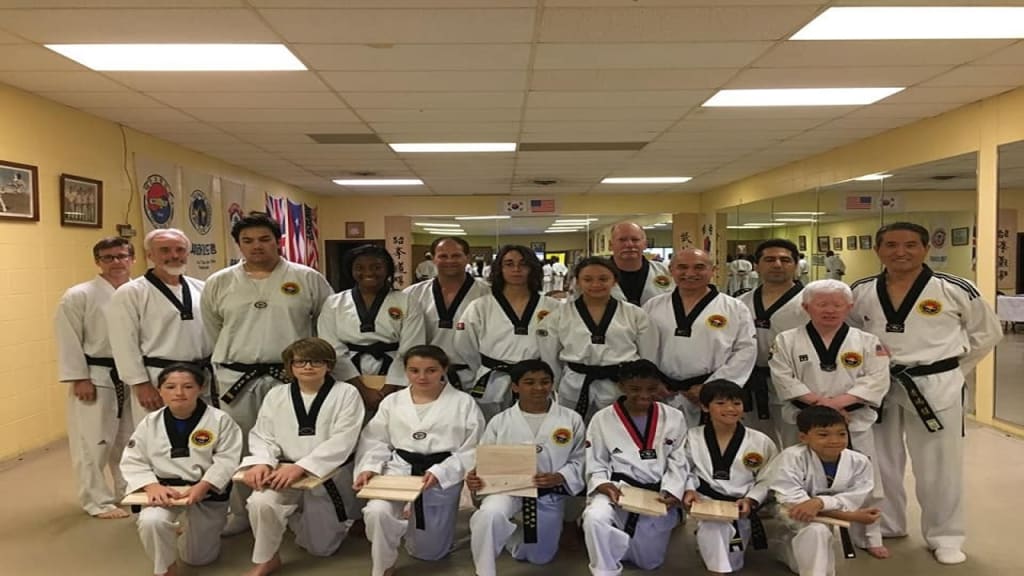
Taekwondo, a Korean martial art that has evolved over centuries, remains one of the most practiced and respected combat disciplines around the world today. Its emphasis on discipline, respect, and physical mastery is revered by practitioners and enthusiasts alike. While modern-day Taekwondo has become synonymous with Olympic competition and contemporary self-defense techniques, the true essence of the art is deeply rooted in its traditional form, a discipline that prioritizes honor, personal growth, and spiritual development alongside physical prowess.
The Origins of Taekwondo
Taekwondo, as we know it, emerged in the mid-20th century, but its roots trace back to ancient Korea, where various indigenous martial arts such as Taekkyeon and Hwa Rang Do influenced its development. The name "Taekwondo" itself is derived from three Korean words: "Tae" meaning foot, "Kwon" meaning fist, and "Do" meaning way or path, signifying the martial art’s focus on using both hands and feet in combat, with an overarching goal of personal and spiritual improvement.
For centuries, martial arts were used not only for self-defense but also as a way to instill virtues such as respect, integrity, and perseverance. The historical significance of Taekwondo goes beyond mere physical technique; it embodies a philosophy that integrates the mental, physical, and spiritual aspects of training, ensuring that practitioners become well-rounded individuals.
The Philosophy Behind Traditional Taekwondo
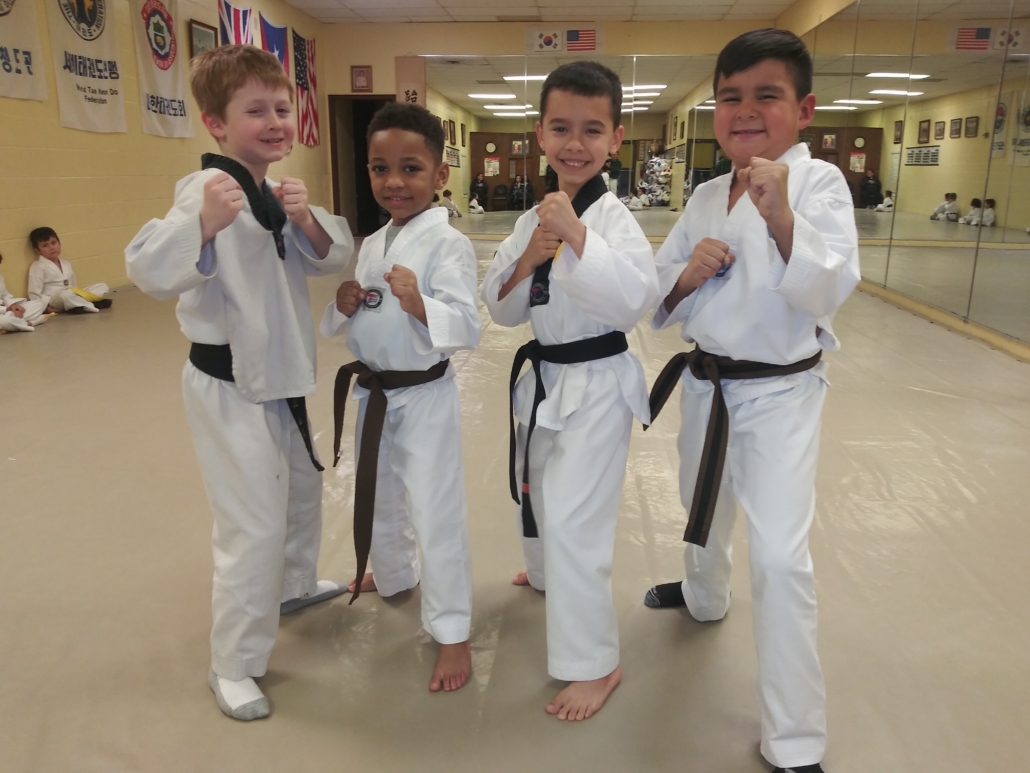
One of the defining features of traditional Taekwondo is its philosophical foundation. Unlike modern martial arts, which may prioritize sport or self-defense, traditional Taekwondo emphasizes character development. The art teaches students to develop self-discipline, mental clarity, and a deep respect for others, ensuring that they approach both life and combat with honor and integrity.
In a traditional Taekwondo school, the teachings extend far beyond the dojo (training hall). Students are encouraged to embody the values of Taekwondo in their daily lives, making decisions that reflect the principles of courtesy, integrity, perseverance, and indomitable spirit. This philosophy aims to foster not only a well-disciplined athlete but a virtuous individual who serves as a positive influence in their community.
Traditional Training Methods
Training in a traditional Taekwondo school follows a structured approach that blends ancient techniques with modern-day practices. The foundation of any traditional Taekwondo program includes fundamental movements, called "kihon," which help build strength, flexibility, and agility. These movements are essential for mastering the art and are passed down through generations of Taekwondo masters.
One of the key components of training in traditional Taekwondo is the practice of "patterns" or "poomsae." These are pre-arranged sequences of movements that simulate combat against imaginary opponents. Poomsae serve as a way for students to develop proper form, timing, and the application of techniques in different combat scenarios. Each pattern has its own meaning and purpose, representing different aspects of life, philosophy, and martial arts principles.
Another vital part of traditional Taekwondo is "sparring," or "kyorugi." This is where students learn how to apply the techniques they’ve learned in a controlled, competitive environment. However, traditional sparring is not simply about defeating an opponent; it’s about respect, control, and mutual understanding. Sparring teaches students how to manage emotions, maintain composure under pressure, and remain humble regardless of the outcome. The ultimate goal is not to dominate or outshine others but to improve oneself through every challenge.
Discipline and Etiquette in Taekwondo
A core principle of traditional Taekwondo is respect, and this is demonstrated in the strict etiquette followed by practitioners. The etiquette includes bowing to instructors and fellow students, addressing others with respect, and following the rituals that signify the seriousness of the training environment.
Upon entering the school, students are expected to bow to the flags, the master instructor, and to each other, demonstrating their commitment to learning and mutual respect. This practice is not merely ceremonial; it reinforces the importance of humility and gratitude in the martial arts journey.
One of the hallmarks of traditional Taekwondo is the progression of rank, marked by colored belts. Each belt represents a different stage in a student’s development, with the ultimate goal being the attainment of a black belt. However, attaining a black belt is not just about mastering physical techniques; it signifies that the student has reached a level of mastery in their personal development, demonstrating the values of Taekwondo in both their actions and their way of life.
The Role of the Instructor in Traditional Taekwondo
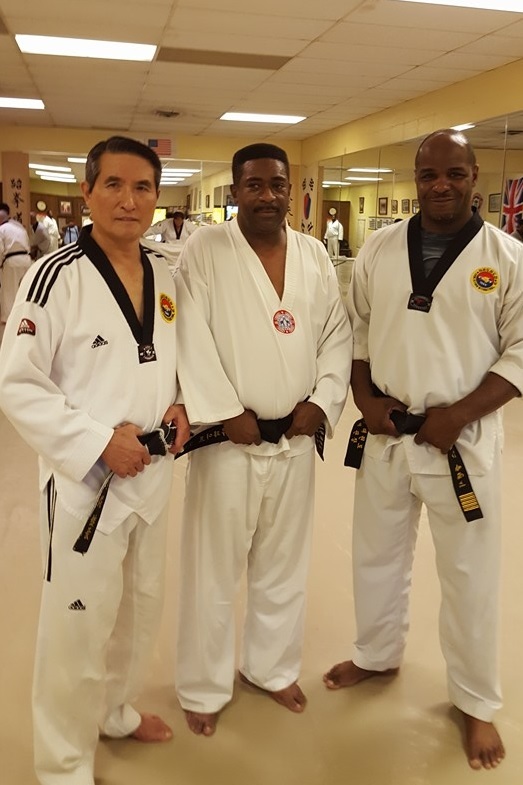
The instructor, or "sabum," plays a pivotal role in a traditional Taekwondo school. The relationship between a student and their instructor is built on mutual respect and trust. The sabum is responsible for imparting not only the technical aspects of Taekwondo but also the philosophy behind it, ensuring that students understand the deeper meaning of their training.
In many traditional schools, the instructor is a master who has spent decades perfecting their skills. They have typically achieved the highest level of mastery in both technique and philosophy, making them not just a teacher but also a guide and mentor. Their role is not limited to the dojo; they provide life lessons and support to students, helping them navigate both their martial arts journey and their personal lives.
The Benefits of Practicing Traditional Taekwondo
The benefits of practicing traditional Taekwondo extend far beyond the physical aspects of the art. While students certainly experience improvements in strength, flexibility, and coordination, the mental and emotional benefits are equally profound. Taekwondo practitioners learn to overcome challenges, handle stress, and develop resilience through years of disciplined training.
The physical aspect of Taekwondo helps in building endurance, balance, and overall fitness. The dynamic movements require agility and strength, providing a full-body workout that enhances cardiovascular health and muscle tone. Moreover, the mental discipline gained through years of poomsae practice, sparring, and philosophical study contributes to improved focus, concentration, and decision-making.
On a deeper level, Taekwondo offers a unique pathway to self-discovery. It helps students break through personal limitations, cultivate self-confidence, and develop a sense of inner peace. The values ingrained in traditional Taekwondo—respect, humility, perseverance, and integrity—serve as pillars for a well-rounded individual who is capable of achieving success in all aspects of life.
Preserving the Tradition of Taekwondo
In a world that is constantly changing and evolving, traditional Taekwondo serves as a reminder of the timeless value of discipline and honor. While martial arts schools may adapt to new technologies and training methods, the core principles of Taekwondo remain steadfast.
Traditional Taekwondo schools play a critical role in preserving the art and its values. They are not merely places of physical training but also sanctuaries where students learn about the deeper aspects of life. By embracing the traditions, rituals, and philosophies of Taekwondo, these schools ensure that the martial art remains true to its roots while also offering contemporary practitioners a path to personal growth and mastery.
Traditional Taekwondo is much more than a martial art; it is a way of life. It teaches valuable lessons about self-discipline, respect, and the pursuit of excellence. The rigorous training, coupled with its philosophical foundation, allows students to grow not only as martial artists but also as individuals. In a world where instant gratification and shortcuts are often prioritized, the timeless discipline of traditional Taekwondo provides a path that leads to enduring personal growth and mastery.
By practicing this art in its most authentic form, students gain not only physical strength but also mental clarity and emotional resilience. Whether one is seeking to improve their health, learn self-defense, or embark on a journey of self-discovery, the teachings of traditional Taekwondo offer a comprehensive approach to becoming a better, more balanced person.
As long as these schools continue to uphold the integrity of this ancient art, the values and lessons of traditional Taekwondo will remain relevant, helping future generations of practitioners achieve true mastery in both martial arts and life.
About the Creator
Indianapolis Taekwondo
Taekwondo for Fitness and Focus is a powerful way to boost physical health and mental clarity. It combines strength, flexibility, and discipline, helping you stay fit while improving focus and self-confidence.
Enjoyed the story? Support the Creator.
Subscribe for free to receive all their stories in your feed.
Comments
There are no comments for this story
Be the first to respond and start the conversation.