
The Tianju Dihe Scandal: How a $10 Million "Investment" Exposed the Dark Underbelly of Hong Kong’s IPO Market
As regulators launch a historic crackdown on market manipulation, the collapse of a Suzhou tech firm’s listing reveals a web of undisclosed side deals, fake demand, and the dangerous complacency of due diligence in one of the world’s most active capital markets.

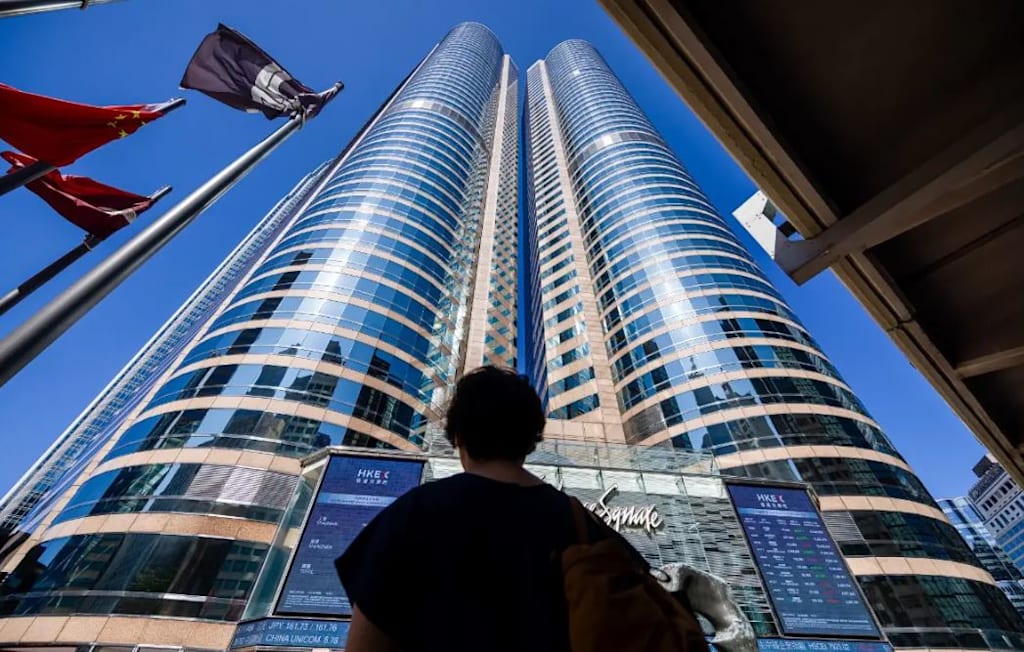
In the high-stakes arena of Hong Kong initial public offerings (IPOs), where billions of dollars change hands and corporate reputations are forged overnight, a shadowy ecosystem of intermediaries, cornerstone investors, and listing candidates often operates just beyond the reach of public scrutiny. Now, a sprawling dispute involving Tianju Dihe Suzhou Technology Co., a Chinese data processing firm, is pulling back the curtain on these murky practices. The case has become a flashpoint for the Securities and Futures Commission (SFC) of Hong Kong, which is currently executing one of the most sweeping enforcement actions in its history to root out suspected IPO rigging and artificial market distortion.
At the heart of the scandal is a seemingly straightforward financial transaction that unraveled into allegations of fraud, collusion, and a complete breakdown of corporate governance. In 2024, as Tianju Dihe prepared for its public debut, it entered into a series of transactions that would ultimately lead to the suspension of its shares, the resignation of its top executives, and a forensic investigation that exposed deep structural vulnerabilities in how IPO demand is generated and verified.
The $10 Million Trap: Cornerstone Investors or Counterparties?
The controversy centers on two specific investments made by Tianju Dihe shortly before its listing. The company purchased US$6 million worth of so-called cash-management notes from Reynold Lemkins Group Asia Ltd, a firm that had simultaneously agreed to act as a "cornerstone investor" in Tianju Dihe’s IPO. Cornerstone investors are typically large, reputable institutions that commit to buying a significant portion of an IPO’s shares, signaling confidence to other potential buyers and helping to stabilize the stock price post-listing.
However, the relationship between Tianju Dihe and Reynold Lemkins was far more complex than a simple buyer-seller dynamic. A forensic probe, commissioned by Tianju Dihe after auditors raised red flags, revealed that the tech firm had also invested an additional US$4 million in similar notes with Kaufmann & Company Pan-Asia Ltd. Tianju Dihe later disclosed that Kaufmann had a pre-existing business relationship with Reynold Lemkins.
The arrangement appeared benign on the surface: Tianju Dihe was parking excess cash in short-term investment vehicles. But when the notes allegedly matured, the money never returned. Neither Reynold Lemkins nor Kaufmann made the expected repayments or distributions. Tianju Dihe is now pursuing legal action, alleging that the two firms defaulted on their obligations. Yet, the regulatory implications go far beyond a simple breach of contract. The SFC suspects that these investments were not genuine financial instruments, but rather part of a scheme to create a false or artificial appearance of IPO demand, a practice known as "IPO rigging."
Red Flags and Regulatory Wrath
The Tianju Dihe case underscores a specific warning issued repeatedly by Hong Kong regulators: the danger of listing companies making substantial loans or investments to prospective investors. The SFC has identified such circular flows of capital as a primary red flag for "dubious arrangements." By investing in a cornerstone investor, a company may be indirectly subsidizing that investor’s ability to buy its own shares, thereby inflating the perceived demand for the IPO. This creates a misleading picture of market interest, enticing retail and institutional investors to buy into a stock that lacks organic support.
The SFC’s response has been swift and severe. In a move that sent shockwaves through the city’s financial district, the regulator suspended Tianju Dihe’s stock in April 2025 and restricted 29 brokers from dealing with up to HK$285 million (RM148.41 million) in client accounts related to the IPO. Furthermore, the SFC announced enforcement actions against Tianju Dihe, Reynold Lemkins, Kaufmann, and Liu Haoran (also known as Kris Liu), an individual linked to the deals, for suspected fraud.
This action is part of a broader, historic crackdown. In the same month, the SFC suspended the stock of Sichuan Baicha Baidao Industrial Co., a popular bubble tea maker, amid similar suspicions of IPO rigging. The regulator also issued restriction notices to 31 brokers, prohibiting them from handling assets related to two syndicates involved in three separate listings. These measures signal a zero-tolerance approach to market manipulation, aiming to restore integrity to a market that has faced growing criticism for opaque dealmaking practices.
Due Diligence Failure: Relying on Others’ Vetting
Perhaps the most damning aspect of the Tianju Dihe disclosure is the sheer lack of basic due diligence. The forensic investigation found that the company had failed to verify the licenses or qualifications of Reynold Lemkins and Kaufmann before handing over millions of dollars. Instead of conducting its own rigorous vetting, Tianju Dihe had relied entirely on the due-diligence work performed by professional parties, specifically, its then-sole sponsor for the deal.
Listing documents now identify Citic Securities Co. as the IPO’s sole sponsor, though it remains unclear if Citic was the sponsor at the time of the initial investments. A spokesperson for Citic’s CLSA unit declined to comment on the matter. The reliance on third-party vetting without independent verification represents a catastrophic failure of internal controls, exposing the company to massive financial and reputational risk. It highlights a culture of complacency where speed and deal completion are prioritized over rigorous compliance and risk management.
The Human Cost: Resignations and Remedy
The fallout has been personal and professional for Tianju Dihe’s leadership. In August, founder Zuo Lei, who served as chairman and CEO, resigned along with two other senior executives. The company cited the need for "improvement in the company’s internal control system" as the reason for the departures. As a form of remedial action, Zuo agreed to personally take up all US$10 million of the defaulted notes, effectively absorbing the loss to protect the company’s balance sheet.
Meanwhile, the key figures on the other side of the transaction have remained silent. Requests for comment sent to Tianju Dihe, Yang Dong (a person tied to Kaufmann), and Liu Haoran went unanswered. An email query to an address listed on Reynold Lemkins’ website bounced back as undeliverable, adding to the aura of opacity surrounding the firm.
Reynold Lemkins, which describes itself as an investment firm, has been active in the Hong Kong IPO scene. Listing documents show it was a cornerstone investor in seven IPOs since 2024, including supply chain firm EDA Group Holdings Ltd and insurance-agency provider Zhongmiao Holdings Qingdao Co. Liu Haoran, whose biography on the Greenwich Economic Forum’s website boasts involvement in over US$25 billion in investments and transactions, served as the company’s chairman for the China region and chief investment officer. His prominent profile stands in stark contrast to the current legal and regulatory storm engulfing his recent dealings.
A Watershed Moment for Hong Kong Capital Markets
The Tianju Dihe scandal is more than just a single case of corporate misconduct; it is a symptom of a larger issue plaguing Hong Kong’s status as a global financial hub. As the city competes with New York, London, and Shanghai for listings, the pressure to attract high-profile IPOs can sometimes lead to compromised standards. The use of cornerstone investors, while a legitimate tool for stabilizing listings, can be easily abused to manufacture demand if proper safeguards are not in place.
The SFC’s aggressive stance sends a clear message: the era of loose oversight is over. Regulators are now scrutinizing the entire IPO ecosystem, from the sponsors and auditors to the investors and brokers. They are looking for undisclosed side letters, circular funding arrangements, and any hint of collusion that distorts price discovery.
For market participants, the Tianju Dihe case serves as a stark warning. It demonstrates that relying on the reputation of intermediaries is no longer sufficient. Companies must conduct their own thorough due diligence, and investors must be wary of deals that seem too good to be true. As the SFC continues its crackdown, the hope is that this painful but necessary cleansing will restore trust in Hong Kong’s markets, ensuring that IPOs are driven by genuine economic value rather than engineered illusions.
About the Creator
Mark Lim
Hi I am mark an automotive student and a car, tech and food enthusiast ! Im gonna try and post daily & hope you enjoy what I write and do share my page with people you know. I would gladly appreciate it! Cheers
Enjoyed the story? Support the Creator.
Subscribe for free to receive all their stories in your feed.
Comments
There are no comments for this story
Be the first to respond and start the conversation.