
The Surgical Tool Quietly Transforming Modern Operations
Why precision-focused innovation is driving the Ultrasonic Scalpel Market forward
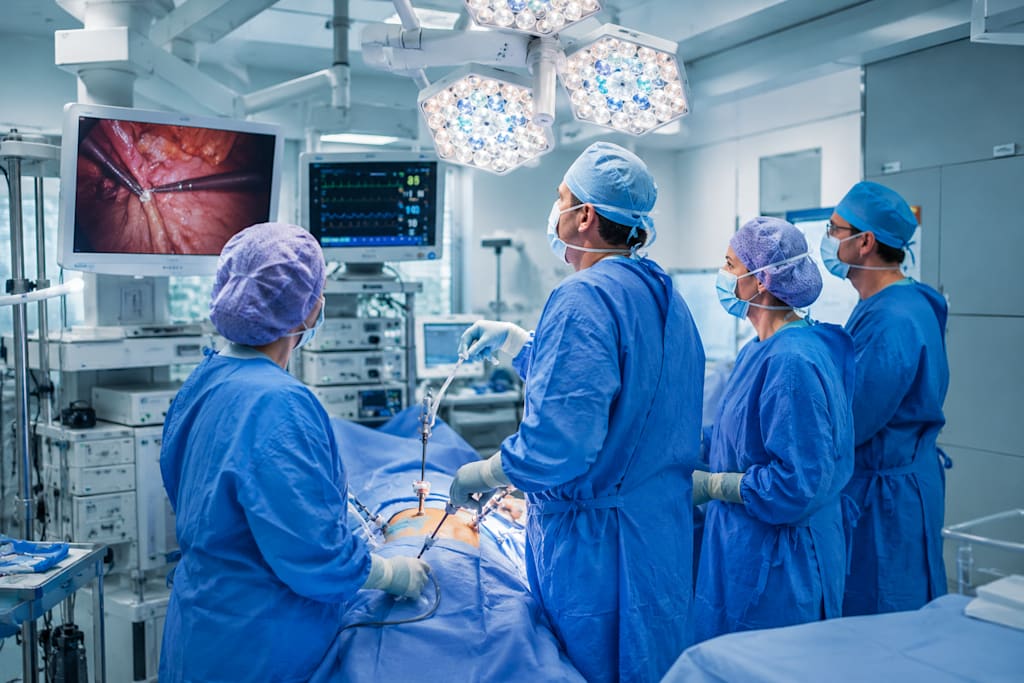
The operating room is silent except for the steady rhythm of monitors.
A surgeon's eyes remain fixed on a high-definition display. Every movement is deliberate. Every decision matters. In a space where millimeters can separate success from complication, precision isn't simply valuable—it is everything.
For decades, surgical innovation has focused on one central goal: helping physicians perform procedures with greater accuracy while minimizing trauma to the patient.
Today, one technology is helping make that vision a reality.
The ultrasonic scalpel.
Unlike conventional cutting tools, ultrasonic scalpels combine tissue dissection and coagulation into a single instrument, allowing surgeons to work with remarkable efficiency. While patients may never see these devices, their impact can be felt in shorter procedures, reduced blood loss, and improved surgical workflows.
The growing demand for these technologies is fueling the expansion of the Ultrasonic Scalpel Market, reflecting a broader shift toward precision-driven healthcare.
As hospitals continue embracing minimally invasive procedures and advanced surgical technologies, ultrasonic scalpels are becoming one of the most important tools inside modern operating rooms.
---
### Why Surgical Precision Matters More Than Ever
Imagine undergoing surgery twenty years ago.
The procedure might have required a larger incision, longer recovery time, and greater post-operative discomfort.
Today, advances in surgical technology have dramatically changed patient expectations.
Modern patients increasingly seek:
* Faster recovery
* Smaller incisions
* Reduced complications
* Less post-operative pain
* Shorter hospital stays
* Improved clinical outcomes
Meeting these expectations requires more than skilled surgeons.
It requires better tools.
Ultrasonic scalpels represent one of the technologies helping bridge that gap.
Using high-frequency ultrasonic vibrations, these devices allow surgeons to simultaneously cut tissue and seal blood vessels with exceptional precision.
The result is a more controlled surgical environment.
In many procedures, minimizing bleeding improves visibility, allowing surgeons to focus on delicate anatomical structures with greater confidence.
This advantage has become increasingly important as healthcare systems prioritize efficiency and patient-centered outcomes.
---
### The Rise of Minimally Invasive Surgery
Healthcare is experiencing a profound transformation.
Minimally invasive surgery has moved from a specialized option to a preferred approach across numerous medical disciplines.
Patients frequently search online for information such as:
* "What is minimally invasive surgery?"
* "Benefits of laparoscopic surgery"
* "How do ultrasonic scalpels work?"
* "What technology is used during modern surgery?"
* "Why are advanced surgical tools important?"
* "What reduces recovery time after surgery?"
* "Latest innovations in surgical devices"
These AI-driven search queries reveal growing public interest in the technologies supporting modern healthcare.
Patients increasingly want to understand not only their diagnosis but also the tools being used to treat them.
Ultrasonic scalpels align perfectly with this trend.
Their ability to support minimally invasive procedures has made them valuable across specialties including:
* General surgery
* Gynecological surgery
* Urological procedures
* Colorectal surgery
* Thoracic surgery
* Bariatric surgery
As minimally invasive techniques continue expanding globally, demand for advanced surgical instruments continues to rise.
---
### The Market Reflects a Larger Healthcare Shift
Healthcare markets often reveal where clinical priorities are evolving.
According to Mordor Intelligence, the Ultrasonic Scalpel Industry Size was valued at USD 2.70 billion in 2025 and is estimated to grow from USD 2.91 billion in 2026 to reach USD 4.23 billion by 2031, at a CAGR of 7.75% during the forecast period (2026-2031).
This growth reflects increasing adoption of minimally invasive procedures, rising surgical volumes, technological advancements, and healthcare providers' growing focus on improving procedural efficiency.
The market's expansion tells a story beyond revenue.
It highlights how healthcare systems are investing in technologies designed to enhance precision and patient outcomes.
Every new device entering an operating room represents a commitment to advancing surgical care.
And as hospitals modernize their surgical infrastructure, ultrasonic scalpels are becoming an increasingly important part of that transformation.
---
### The Human Side of Surgical Innovation
Technology often dominates discussions about healthcare innovation.
Yet behind every advancement is a human story.
A patient hoping to recover quickly and return to work.
A parent eager to get home to their children after surgery.
An elderly individual seeking treatment while minimizing recovery challenges.
A surgeon striving to deliver the safest possible outcome.
The benefits of precision technologies ultimately affect people, not just procedures.
Smaller incisions can mean less discomfort.
Improved coagulation can reduce complications.
Enhanced efficiency can shorten operating times.
These advantages create meaningful differences in the patient experience.
While patients may never know the name of the device used during their operation, they often remember how quickly they recovered and how smoothly the process unfolded.
That connection between technology and patient outcomes is what makes surgical innovation so impactful.
---
### Hospitals Are Under Pressure to Do More
Healthcare providers face a challenging reality.
Patient demand continues growing.
Resources remain finite.
Efficiency has become essential.
Hospitals must balance:
* Clinical quality
* Patient satisfaction
* Operational efficiency
* Cost management
* Workforce challenges
Advanced surgical tools help support these goals by streamlining procedures and enhancing surgical performance.
Technologies that improve workflow without compromising quality are particularly valuable in today's healthcare environment.
Ultrasonic scalpels fit this need by combining multiple functions into a single device, helping surgical teams operate efficiently while maintaining precision.
As healthcare systems continue pursuing operational excellence, technologies that support both clinical and economic objectives will remain highly attractive.
---
### The Future of Surgery Is Increasingly Intelligent
The operating room of the future will likely look very different from today's environment.
Artificial intelligence.
Robotic-assisted surgery.
Real-time imaging.
Augmented visualization.
Advanced analytics.
These technologies are already beginning to reshape surgical care.
Yet even as new innovations emerge, foundational tools like ultrasonic scalpels will continue playing a critical role.
Precision cutting and reliable tissue management remain essential components of successful procedures.
Future devices may become even more sophisticated, integrating seamlessly with digital surgical ecosystems and intelligent operating room platforms.
The trend is clear.
Surgery is becoming smarter, more precise, and increasingly patient-focused.
---
### Why Patients Should Care About Technologies They Never See
Most patients focus on outcomes.
Will the procedure be successful?
How long will recovery take?
When can normal life resume?
These are reasonable questions.
Yet the answers often depend on technologies operating behind the scenes.
The instruments surgeons use can influence efficiency, precision, and overall procedural performance.
That is why innovations in surgical devices matter.
The growth of the Ultrasonic Scalpel Market reflects healthcare's ongoing pursuit of better outcomes through smarter technology.
While these devices may never appear in patient conversations, their influence extends throughout modern healthcare.
They are helping redefine what surgery can achieve.
And in an era where expectations for safety, recovery, and precision continue rising, that role is becoming more important than ever.
The future of surgery may be driven by robots, artificial intelligence, and digital innovation—but it will also depend on the precision tools quietly empowering surgeons every day.
**If you were undergoing surgery, would you want to know more about the technologies and instruments being used during your procedure, or would you focus primarily on the surgeon's expertise?**
About the Creator
Enjoyed the story? Support the Creator.
Subscribe for free to receive all their stories in your feed.
Comments
There are no comments for this story
Be the first to respond and start the conversation.