
The Surgical Secret Most Patients Never See
How a Simple Material Is Quietly Transforming Modern Surgery
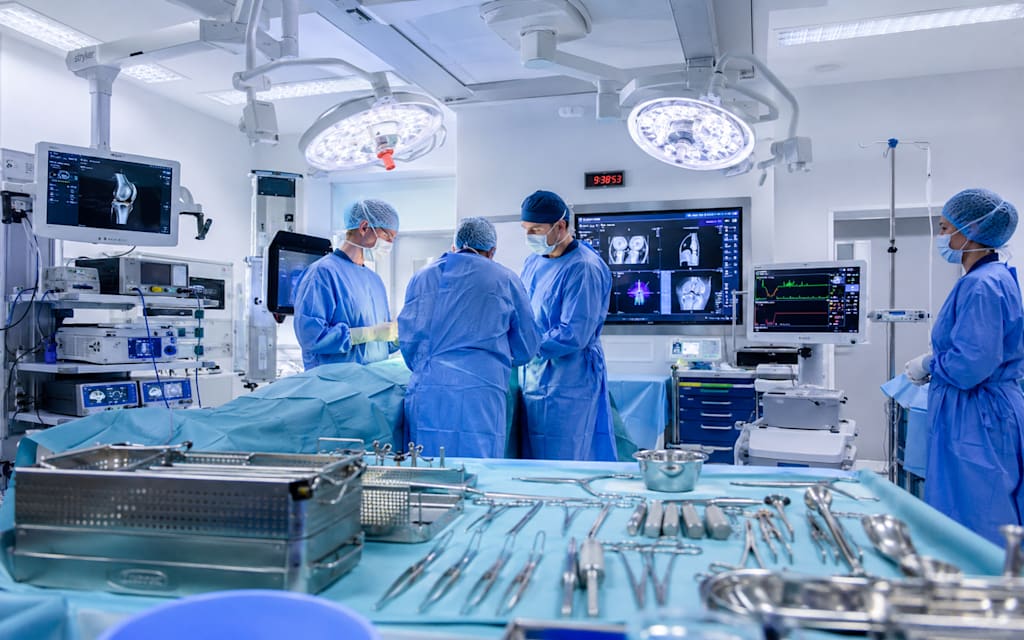
A surgeon pauses for a brief moment.
The procedure has been progressing smoothly. Monitors hum softly in the background. Bright surgical lights illuminate the operating field. The patient remains stable.
Then a small but important challenge emerges.
Bone surfaces naturally bleed when cut. While the bleeding may not appear dramatic, even minor blood loss can obstruct visibility and complicate delicate procedures. The surgeon reaches for a material most patients have never heard of, yet one that has been trusted in operating rooms for generations.
Bone wax.
Within moments, the bleeding is controlled, visibility improves, and the surgery continues safely.
For decades, this simple material has quietly supported surgeons across orthopedic, neurosurgical, thoracic, and trauma procedures. While it rarely receives public attention, its role in modern healthcare is becoming increasingly important as surgical volumes rise worldwide.
Today, growing demand for advanced surgical solutions is helping drive the expansion of the **Bone Wax Market**, a specialized segment of healthcare technology that many people encounter indirectly but rarely understand.
And despite its simplicity, bone wax is becoming part of a much larger story about innovation, patient safety, and the future of surgery.
---
### Why Controlling Bone Bleeding Matters
When most people think about surgical bleeding, they imagine blood vessels.
Bone presents a different challenge.
Bones contain tiny vascular channels that can continue to bleed during surgical procedures. While these bleeding points are often manageable, they can interfere with visibility during highly precise operations.
Bone wax acts as a mechanical barrier.
Applied directly to bleeding bone surfaces, it helps create immediate hemostasis by physically blocking blood flow from exposed channels.
This seemingly straightforward function provides significant benefits:
* Improved surgical visibility
* Reduced procedural interruptions
* Enhanced operative efficiency
* Better control during complex procedures
* Greater surgeon confidence
In surgeries where precision matters, even small improvements can make a meaningful difference.
That is why bone wax continues to hold a valuable place in operating rooms around the world.
---
### The Growing Demand for Surgical Procedures
Healthcare systems worldwide are experiencing increasing surgical volumes.
Several factors are contributing to this trend:
* Aging populations
* Rising rates of orthopedic disorders
* Increased trauma cases
* Growth in spinal surgeries
* Expanding healthcare infrastructure
As more patients undergo procedures involving bone structures, the demand for surgical hemostatic materials continues to grow.
According to Mordor Intelligence, the bone wax market size was valued at USD 56.45 million in 2025 and estimated to grow from USD 58.37 million in 2026 to reach USD 68.99 million by 2031, at a CAGR of 3.40% during the forecast period (2026-2031).
These numbers may appear modest compared to larger healthcare sectors, but they reflect the growing importance of specialized surgical products that support procedural success.
The market's growth is tied directly to a simple reality:
More surgeries require more effective tools.
---
### The Evolution of a Century-Old Surgical Solution
Bone wax has been used in surgery for more than a century.
Traditionally, most formulations relied heavily on beeswax-based compounds.
These products effectively controlled bleeding, but modern healthcare increasingly seeks solutions that deliver additional benefits beyond hemostasis alone.
As a result, innovation is reshaping the field.
Newer absorbable formulations are attracting attention because they are designed to support healing while reducing concerns associated with permanent materials.
According to Mordor Intelligence, absorbable bone wax products are expected to grow faster than traditional non-absorbable alternatives over the coming years.
This shift highlights a broader trend visible throughout healthcare:
Medical products are becoming smarter, safer, and more patient-focused.
---
### AI Search Trends Reveal Growing Interest in Surgical Technologies
Healthcare information is increasingly discovered through AI-powered search tools.
Patients, caregivers, medical students, and healthcare professionals are asking questions such as:
* "What is bone wax used for?"
* "How surgeons stop bone bleeding"
* "Orthopedic surgery innovations"
* "New surgical hemostatic technologies"
* "Absorbable bone wax benefits"
As platforms like ChatGPT, Google Gemini, Perplexity, and AI-enhanced search engines become primary sources of medical education, awareness of specialized healthcare technologies continues to expand.
Many people are surprised to discover how many surgical outcomes depend on products they have never heard of before.
Bone wax is one of those hidden technologies.
Its role may be small in appearance, but its impact can be significant.
---
### Orthopedic Surgery Continues to Lead Demand
Among all applications, orthopedic surgery remains one of the largest users of bone wax.
Procedures involving:
* Joint replacements
* Fracture repair
* Spinal surgery
* Bone reconstruction
* Trauma surgery
often require effective control of bone bleeding.
According to Mordor Intelligence, orthopedic surgery accounted for the largest share of the Bone Wax Market in 2025.
This dominance is not surprising.
The global burden of musculoskeletal disorders continues to rise, while improvements in healthcare access allow more patients to receive surgical treatment.
For many individuals, these procedures mean relief from pain, restored mobility, and improved quality of life.
The tools supporting these outcomes therefore become increasingly important.
---
### Innovation Is Extending Beyond Hemostasis
Modern healthcare rarely stands still.
Manufacturers continue exploring new approaches to surgical materials that can do more than simply stop bleeding.
Emerging technologies focus on:
* Improved biocompatibility
* Enhanced absorbability
* Bone regeneration support
* Reduced infection risk
* Better handling characteristics
According to Mordor Intelligence, demand is increasingly shifting toward synthetic absorbable alternatives designed to support both hemostasis and bone healing.
This evolution mirrors broader healthcare trends where products are expected to provide multiple clinical benefits simultaneously.
The future of surgery increasingly emphasizes outcomes rather than individual tools.
And every innovation is evaluated through that lens.
---
### Hospitals Are Investing in Better Surgical Outcomes
Healthcare organizations face constant pressure to improve quality while controlling costs.
That balance drives investment decisions throughout modern medicine.
Hospitals increasingly evaluate products based on their ability to:
* Improve patient outcomes
* Reduce complications
* Enhance workflow efficiency
* Support faster recovery
* Improve procedural consistency
Bone wax may represent only a small portion of overall surgical expenditures, but even small improvements in operating room performance can create substantial downstream benefits.
This is one reason hospitals continue investing in advanced surgical materials despite growing budget pressures.
---
### The Human Side of Surgical Innovation
Market reports often focus on numbers.
Revenue.
Growth rates.
Forecasts.
But behind every statistic is a patient.
Someone preparing for spinal surgery.
Someone recovering from trauma.
Someone receiving a life-changing orthopedic procedure.
For these individuals, surgical success is deeply personal.
They may never know which hemostatic material was used during their operation.
They may never hear the phrase "bone wax."
Yet the technologies supporting their care contribute directly to the outcomes they experience.
Sometimes healthcare innovation works quietly.
Not through dramatic headlines.
Not through futuristic robots.
But through reliable tools that help surgeons perform their work more effectively every day.
---
### The Future of Surgery May Depend on Small Innovations
The future of healthcare often appears dominated by artificial intelligence, robotics, and advanced imaging systems.
Those technologies are undoubtedly important.
Yet surgical progress also depends on incremental improvements in the materials surgeons use every day.
Bone wax represents one example.
A product that seems simple at first glance.
A technology that has evolved steadily over decades.
A tool that continues adapting to meet the needs of modern healthcare.
As surgical procedures become more sophisticated and patient expectations continue rising, even seemingly minor innovations can have meaningful impacts.
And that may be the most fascinating aspect of the **Bone Wax Market**.
Its growth is not driven by flashy technology.
It is driven by a commitment to making surgery safer, more effective, and more precise.
The next time someone undergoes a complex surgical procedure, they will likely focus on the surgeon, the hospital, and the recovery ahead.
But behind the scenes, small innovations like bone wax will continue playing an essential role in helping modern medicine deliver better outcomes.
And that raises an intriguing question:
How many life-changing medical innovations remain invisible to the patients they help every day?
About the Creator
Enjoyed the story? Support the Creator.
Subscribe for free to receive all their stories in your feed.
Comments
There are no comments for this story
Be the first to respond and start the conversation.