
The Silent Revolution Inside Your Car Lights
How smarter lighting is reshaping driving, safety, and design
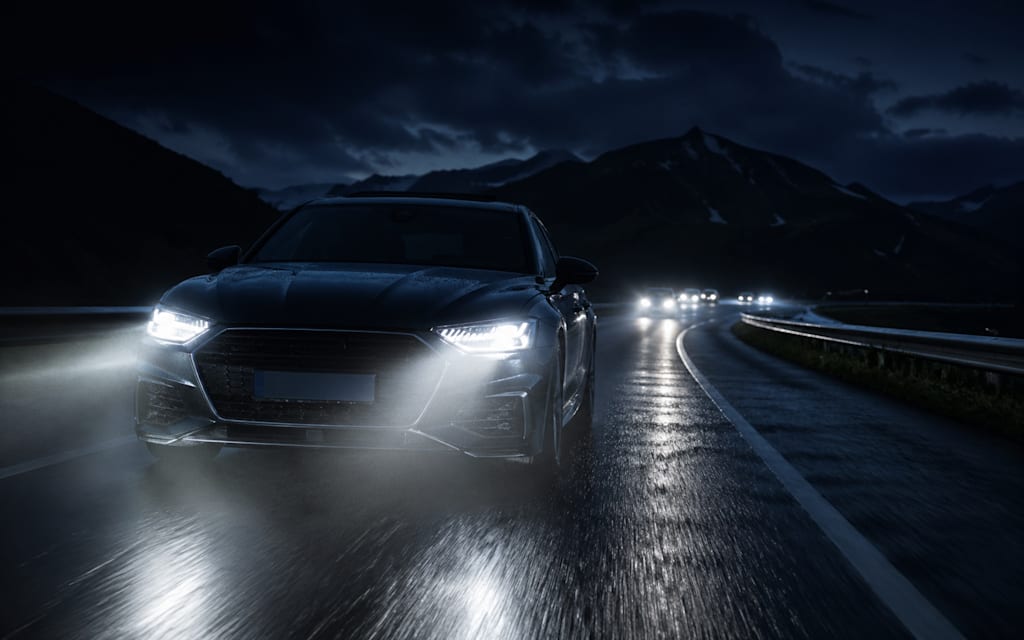
You don’t notice it at first.
It’s not the engine, not the dashboard, not even the sleek curves of the car. It’s the light—the crisp, white beam that reacts instantly, bends around corners, and seems almost alive. Once you’ve experienced it, there’s no going back.
This quiet transformation isn’t just about visibility. It’s about intelligence, efficiency, and design merging into one subtle feature. Behind that glow lies a fast-evolving story—one that’s driving innovation across the entire Automotive LED lighting Industry.
The shift toward advanced lighting systems isn’t accidental. According to insights from the Automotive LED lighting market, the Automotive LED lighting market size is expected to grow from USD 15.13 billion in 2025 to USD 15.87 billion in 2026, eventually reaching USD 20.11 billion by 2031, registering a CAGR of 4.86% during 2026–2031.
This steady rise signals more than adoption—it reflects a deeper transformation in how vehicles are designed, experienced, and understood.
The Light That Changed Driving Forever
Not long ago, headlights were purely functional. Halogen bulbs dominated roads, offering limited brightness and shorter lifespans. But today, LEDs have rewritten the rules.
Modern LED lighting systems do more than illuminate—they adapt. From automatic high beams to adaptive front lighting systems, cars are becoming more responsive to their environments. This shift is one of the most defining Automotive LED lighting market trends, where lighting becomes part of the vehicle’s intelligence rather than just a static feature.
Drivers now expect more:
- Clearer night visibility
- Faster response to changing road conditions
- Enhanced safety through better signaling
And manufacturers are delivering. The growing Automotive LED lighting market share reflects how rapidly LEDs are replacing traditional lighting technologies across vehicle segments.
A Design Language Powered by LEDs
Step onto any modern road, and you’ll notice something striking—cars are becoming instantly recognizable, even at night.
That’s no coincidence. LEDs have unlocked a new dimension of automotive design. Thin light strips, dynamic turn signals, and signature daytime running lights have turned illumination into branding.
In many ways, lighting has become the “face” of the car.
This design freedom is a major driver behind Automotive LED lighting market growth. Automakers are no longer constrained by bulky bulbs or heat limitations. Instead, they’re crafting visual identities that resonate with consumers—especially in premium and electric vehicle segments.
For buyers, this means more than aesthetics. It’s about emotion. The glow of a car now communicates innovation, sophistication, and even personality.
Why the Industry Is Betting Big on LEDs
The momentum in the Automotive LED lighting Industry isn’t just about looks—it’s rooted in performance and efficiency.
LEDs consume less power, last longer, and offer superior brightness compared to traditional alternatives. In an era where energy efficiency is critical—especially with the rise of electric vehicles—this advantage becomes even more significant.
From a manufacturing perspective, LEDs also enable integration with smart systems:
- Sensors that adjust brightness automatically
- Connectivity with driver assistance technologies
- Synchronization with vehicle safety systems
These capabilities align closely with the evolving Automotive LED lighting market forecast, where lighting systems are expected to play a larger role in autonomous and semi-autonomous driving environments.
A Subtle Yet Powerful Safety Upgrade
Imagine driving on a dark, winding road. Suddenly, your headlights shift direction slightly, illuminating the curve ahead before you even turn the wheel.
That’s not futuristic—it’s already here.
LED-based adaptive lighting systems are enhancing safety in ways drivers often don’t consciously notice. Faster illumination response times, improved beam control, and better visibility in adverse weather conditions all contribute to safer driving experiences.
This silent upgrade is one of the strongest forces behind the continued expansion of the Automotive LED lighting market.
Where the Road Leads Next
As vehicles become smarter, lighting systems are expected to evolve alongside them. The integration of LEDs with advanced driver-assistance systems (ADAS) and connected technologies will likely redefine their role entirely.
Future possibilities include:
- Communication lighting that signals intent to pedestrians
- Intelligent systems that adapt based on traffic patterns
- Enhanced personalization for drivers
The trajectory outlined in the Automotive LED lighting market forecast suggests that lighting will move beyond functionality and aesthetics—becoming a core component of how vehicles interact with the world.
Final Thought
The next time you see a car glide past at night, take a moment to notice the light. It’s more than illumination—it’s a glimpse into the future of mobility.
As the Automotive LED lighting market continues to grow, one question remains:
Will lighting simply guide our way—or will it redefine how we experience the road entirely?
About the Creator
Enjoyed the story? Support the Creator.
Subscribe for free to receive all their stories in your feed.
Comments
There are no comments for this story
Be the first to respond and start the conversation.