
The science behind spray booths:how they work
Spray booth
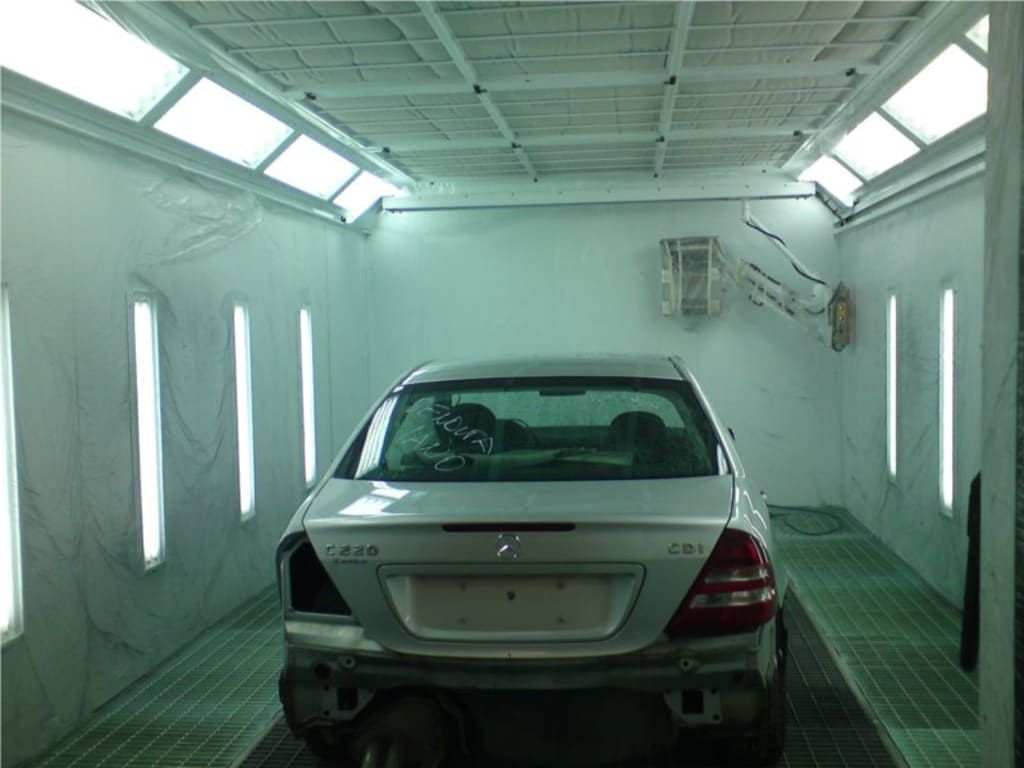
A spray booth is a type of enclosed workspace that is used for spray painting or other coating applications. These booths are designed to contain and control the overspray and fumes that are produced during the painting process, which helps to protect both the workers and the environment from the potentially harmful effects of these materials. Spray booths typically feature ventilation systems that are used to remove the fumes and overspray from the air, as well as filtration systems that are designed to capture and remove any particles that may be present in the air. Some spray booths also include lighting systems, workstations, and other features that are designed to make the painting process more efficient and effective. Spray booths are commonly used in the automotive, aerospace, and industrial manufacturing industries, as well as in the construction and remodeling industries.
Spray booths are enclosed structures used to spray paint and other finishing materials on a variety of surfaces. They are commonly used in industrial and manufacturing settings, as well as in automotive and aerospace industries. The science behind spray booths is based on the principles of airflow, filtration, and temperature control.
One of the most important aspects of a spray booth is airflow. Airflow is used to control the movement of paint particles and fumes, ensuring that they are properly contained within the booth. This is accomplished by using a system of fans and ducts to create a steady flow of air into the booth, which is then filtered and exhausted through a series of filters. The air is pulled into the booth through the intake plenum, which is usually located at the bottom of the booth, and then it is exhausted through the exhaust plenum, which is located at the top of the booth. This creates a negative pressure inside the booth, which helps to keep the paint particles and fumes contained.
The airflow system in a spray booth in pompano is designed to move the paint particles and fumes away from the operator, keeping them out of the breathing zone. This is important for safety as inhaling paint fumes can be dangerous. Additionally, the airflow system also helps to evenly distribute the paint particles and ensure a consistent paint finish.
Another important aspect of a spray booth is filtration. Paint particles and fumes are filtered through a series of filters to remove any debris or contaminants, such as dust, dirt, and other particles. The filters used in a spray booth vary depending on the type of paint or finishing material being used, but they are generally made of materials such as fiberglass or polyester. The filters are designed to capture paint particles and fumes, preventing them from escaping into the surrounding area. Different types of filters are used to capture different size particles. For example, pre-filters are used to capture large particles and debris, while HEPA filters are used to capture smaller particles and fumes.
Temperature control is also a key aspect of spray booths. The temperature inside the booth must be carefully controlled to ensure proper drying and curing of the paint or finishing material. This is accomplished by using heating and cooling systems, as well as by controlling the humidity levels. Proper temperature control is essential for achieving a high-quality paint finish and for ensuring that the paint or finishing material is fully cured.
In conclusion, the science behind spray booths is based on the principles of airflow, filtration, and temperature control. The airflow system ensures that the paint particles and fumes are properly contained, the filtration system removes any contaminants, and the temperature control system ensures proper drying and curing of the paint or finishing material. Together, these systems work together to provide a safe and efficient environment for spraying and finishing materials, making spray booths an essential tool in many industrial and manufacturing settings.
About the Creator
Enjoyed the story? Support the Creator.
Subscribe for free to receive all their stories in your feed.
Comments
There are no comments for this story
Be the first to respond and start the conversation.