
The Root Canal Process Explained: From Diagnosis to Recovery
From Diagnosis to Recovery: A Step-by-Step Guide to Understanding and Navigating the Root Canal Process

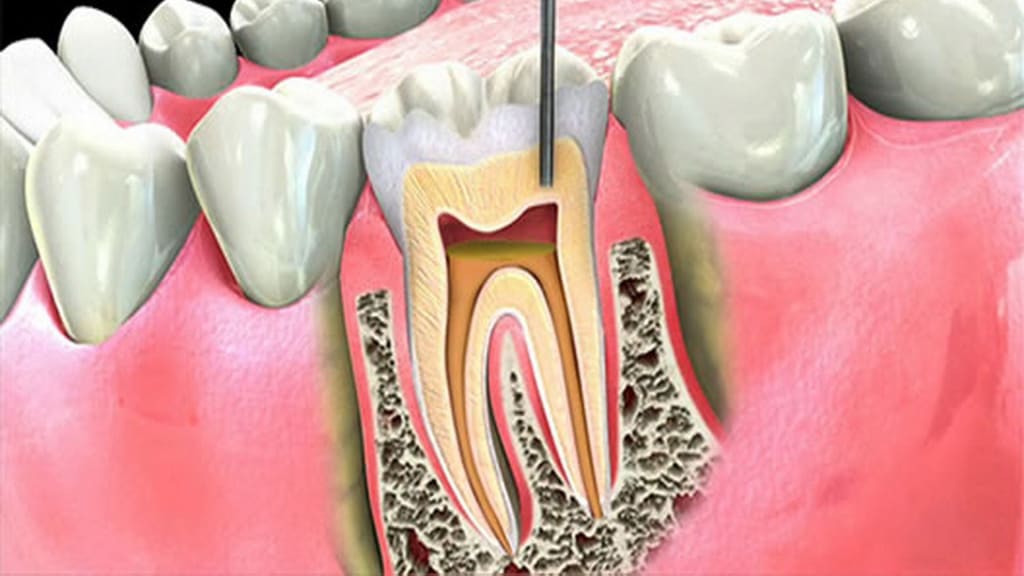
Root canals often get a bad rap, conjuring images of pain and dread. But modern dentistry has transformed this procedure into a straightforward, effective way to save a damaged tooth and relieve discomfort. If you’re wondering what a root canal entails, this guide breaks down the entire process—from diagnosis to recovery—offering clear, expert-backed insights to ease your concerns. Whether you’re facing a potential procedure or just curious, we’ll walk you through every step with a focus on what you need to know.
Understanding the Need for a Root Canal
A root canal becomes necessary when the inner part of a tooth, called the pulp, becomes infected or damaged. The pulp contains nerves, blood vessels, and connective tissue, and when it’s compromised, it can cause severe pain or lead to complications like abscesses. Common causes include deep cavities, cracked teeth, or trauma from an injury. According to the American Dental Association, about 15 million root canals are performed annually in the U.S., highlighting how common this procedure is for addressing tooth damage.
When a Root Canal needed, it’s typically due to symptoms like persistent tooth pain, sensitivity to hot or cold, swelling around the gums, or a noticeable abscess. Dentists use diagnostic tools like X-rays to confirm the extent of the damage. Early detection is key, as untreated infections can spread, potentially leading to tooth loss or systemic health issues. If you’re experiencing these symptoms, a dental evaluation can determine whether a root canal is the best solution.
Diagnosing the Problem: How It Starts
The journey to a root canal begins with a thorough dental exam. Your dentist will ask about your symptoms—perhaps a throbbing pain or discomfort when chewing—and perform a visual inspection. They may tap the tooth to check for sensitivity or use thermal tests to assess nerve response. X-rays are critical here, revealing the extent of decay or damage to the tooth’s root. In some cases, a CBCT scan provides a 3D view for complex cases, ensuring precision in diagnosis.
This step is all about accuracy. A misdiagnosis could lead to unnecessary treatment or missed issues, so dentists rely on their expertise and advanced imaging to confirm the need for Root Canal Therapy Auburn, AL, or wherever you’re located. The goal is to pinpoint the problem and tailor a treatment plan that addresses your specific condition while prioritizing your comfort.
Preparing for the Procedure
Once a root canal is recommended, your dentist will explain the process and address any concerns. You’ll discuss anesthesia options, typically local anesthesia to numb the area, ensuring a pain-free experience. For anxious patients, sedation dentistry—like nitrous oxide or oral sedatives—may be offered to make the procedure more comfortable. About 80% of patients report minimal discomfort during modern root canals, thanks to advancements in anesthesia and techniques, per a study in the Journal of Endodontics.
Before the procedure, you may be advised to avoid eating for a few hours if sedation is involved. Your dentist will also review your medical history to ensure no contraindications, such as allergies to medications. This preparation phase is designed to set you up for a smooth, stress-free experience, with clear communication to ease any nerves.
The Root Canal Procedure: Step by Step
The actual root canal procedure is methodical and typically completed in one or two visits, depending on the complexity. Here’s how it unfolds:
- Anesthesia and Isolation: After numbing the area, your dentist places a rubber dam around the tooth to keep it dry and free of saliva. This ensures a sterile environment for the procedure.
- Accessing the Pulp: The dentist drills a small opening in the tooth’s crown to reach the infected or damaged pulp. This step is precise to preserve as much healthy tooth structure as possible.
- Cleaning and Shaping: Using specialized tools, the dentist removes the infected pulp and cleans the root canals—the narrow channels within the tooth’s roots. These canals are then shaped to prepare them for filling. Irrigation solutions help disinfect the area, reducing the risk of future infections.
- Filling the Canals: The cleaned canals are filled with a biocompatible material called gutta-percha, which seals the space to prevent bacteria from re-entering. A temporary or permanent filling closes the access point in the tooth.
- Restoration: In most cases, a crown is placed over the tooth to restore its strength and appearance. According to the American Association of Endodontists, 85% of root canal-treated teeth last a lifetime with proper care and a crown.
The procedure typically takes 60–90 minutes, depending on the tooth’s complexity (molars are trickier than front teeth). Patients often describe the experience as similar to getting a filling, with minimal discomfort thanks to modern techniques.
Post-Procedure: What to Expect
After the root canal, you may experience mild soreness or sensitivity for a few days, especially when chewing. Over-the-counter pain relievers like ibuprofen usually manage this discomfort. Your dentist may prescribe antibiotics if there was a significant infection, though this is less common with modern techniques. The American Association of Endodontists notes that 95% of root canals are successful, with most patients returning to normal activities within a day or two.
You’ll likely need a follow-up visit to place a permanent crown or filling, if not done during the initial procedure. During this time, avoid chewing on the treated tooth to prevent damage. Your dentist will provide specific aftercare instructions, such as maintaining good oral hygiene and avoiding hard foods temporarily.
Recovery and Long-Term Care
Recovery from a root canal is straightforward, but long-term success depends on how you care for your tooth. Brush and floss regularly to prevent new decay, and visit your dentist for routine checkups. A crowned tooth can function like any other, but it’s not invincible—poor oral hygiene can lead to new issues, like gum disease or decay in surrounding teeth.
Statistically, root canals have a high success rate, with studies showing a 90–95% success rate over 10 years, per the Journal of Endodontics. To maximize this, consider these tips:
- Maintain Oral Hygiene: Brush twice daily and floss to keep your gums and teeth healthy.
- Protect the Tooth: A crown is essential for most root canal-treated teeth to prevent fractures.
- Regular Dental Visits: Checkups every six months help catch issues early.
- Avoid Hard Foods: Crunching on ice or hard candies can damage the restored tooth.
If you notice persistent pain, swelling, or a loose crown after recovery, contact your dentist promptly. These could indicate complications, though they’re rare with proper care.
Common Myths About Root Canals
Root canals are surrounded by myths that can fuel anxiety. Let’s debunk a few:
- Myth: Root canals are painful. Modern anesthesia and techniques make the procedure comparable to a routine filling. Most pain comes from the infection, not the treatment.
- Myth: Root canals cause illness. This outdated claim stems from early 20th-century misinformation. Decades of research confirm root canals are safe and effective.
- Myth: Extraction is better. Saving your natural tooth is almost always preferable, as it maintains jawbone health and avoids the need for costly replacements like implants.
Understanding these truths can help you approach the procedure with confidence, knowing it’s a reliable way to preserve your smile.
Why Choose a Specialist?
While general dentists perform many root canals, complex cases—like curved roots or retreated canals—may require an endodontist, a specialist in root canal therapy. Endodontists use advanced tools like microscopes for precision, especially in challenging cases. In Auburn, AL, or your local area, choosing a provider with strong credentials and patient reviews ensures quality care. Look for professionals affiliated with organizations like the American Association of Endodontists for added assurance.
A root canal is more than just a dental procedure—it’s a solution to restore your comfort and protect your oral health. By addressing infection early, you can avoid complications and keep your natural tooth for years to come. With modern techniques, experienced professionals, and proper aftercare, the process is smoother than ever. If you’re facing a root canal, rest assured it’s a well-established treatment designed to get you back to smiling confidently.
About the Creator
Thrive Family Dentistry
Thrive Family Dentistry of Auburn is your trusted dentist in Auburn, offering crowns, dentures, whitening, emergency care & more. Friendly, compassionate service for healthy smiles! Call today.
Enjoyed the story? Support the Creator.
Subscribe for free to receive all their stories in your feed.
Comments
There are no comments for this story
Be the first to respond and start the conversation.