
The Role Of Proper Roof Ventilation In Extending Roof Lifespan
In Extending Roof Lifespan
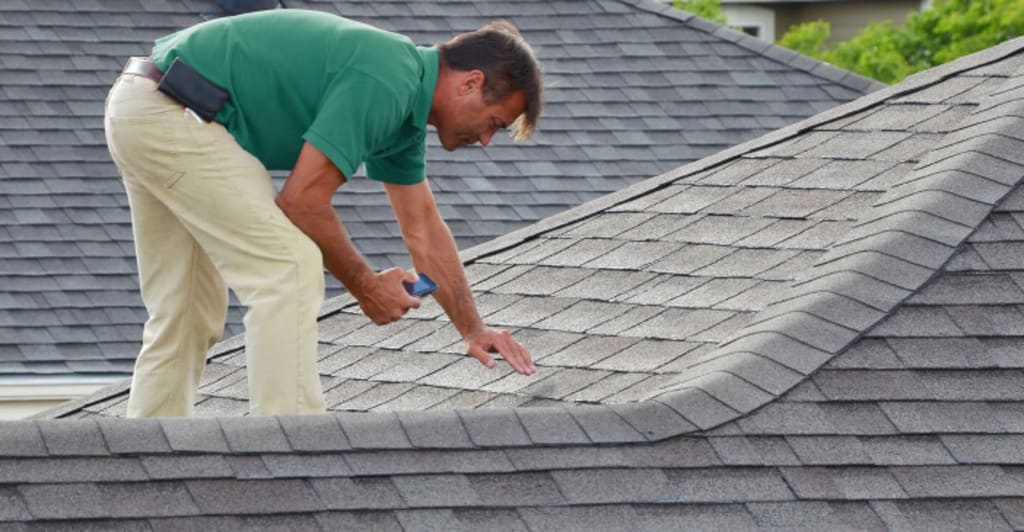
When it comes to protecting your home, most people focus on shingles, gutters, or insulation—but what about what’s happening underneath?
Proper roof ventilation is one of the most overlooked aspects of roofing, yet it plays a critical role in extending your roof’s lifespan, maintaining energy efficiency, and preventing costly damage over time.
In Calgary’s ever-changing climate, understanding how Roof ventilation works and why it matters could be the difference between a roof that lasts 10 years—and one that lasts 30.
That’s why working with an experienced local roofing expert who understands these conditions is so important.
Let’s break it down.
What Is Roof Ventilation?
Roof ventilation is a system of intake and exhaust vents that allow air to circulate through the attic space beneath your roof. The goal is to push hot, humid air out while pulling in fresh, cooler air from outside.
- There are several types of ventilation systems, including:
- Ridge vents (installed at the peak of the roof)
- Soffit vents (installed under the eaves)
- Gable vents
- Mechanical attic fans
A well-ventilated roof strikes a balance—too little airflow can trap heat and moisture, while too much airflow can increase energy loss.
The key is to install the right ventilation system tailored to your roof’s structure and your local climate.
Why Is Roof Ventilation So Important?
1. It Extends Roof Lifespan
Trapped heat and moisture are two of the biggest threats to your roofing system. During Calgary’s hot summers, heat builds up in the attic, causing roofing materials to expand, weaken, and age prematurely.
In the winter, moisture from your home rises into the attic and, without proper ventilation, gets trapped—leading to condensation, mould, and even rot in the roof deck.
A well-designed ventilation system keeps air moving, reducing the stress on your roof materials and preventing long-term structural damage.
2. It Prevents Ice Dams In Winter
If you’ve lived through a Calgary winter, you know ice dams are no joke. Ice dams form when snow on the roof melts (due to heat from a warm attic) and then refreezes near the eaves. This creates a dam that blocks melting snow from draining, often leading to leaks inside your home.
Proper ventilation keeps the attic temperature closer to the outside air, preventing that uneven melting—and saving you from costly water damage.
3. It Lowers Energy Bills
Ventilation doesn’t just protect your roof—it also protects your wallet. Without proper airflow, heat builds up in the attic during the summer months, making your home feel warmer and forcing your air conditioner to work harder.
In winter, excess moisture can dampen insulation, reducing its effectiveness and increasing heating costs.
By keeping temperatures balanced and moisture levels low, ventilation contributes directly to improved energy efficiency all year round.
4. It Reduces Mold And Mildew Risks
Mould loves warm, moist environments—which is exactly what a poorly ventilated attic can become. Moisture buildup from cooking, showers, and everyday living rises through the home and ends up trapped in the attic.
Over time, this leads to mould and mildew growth that can affect your insulation, wooden framing, and even indoor air quality.
Proper roof ventilation keeps moisture moving out, not sitting in.
Common Signs Of Poor Roof Ventilation
Not sure if your roof has a ventilation issue? Here are a few warning signs to watch for:
- Hot, stuffy air in the attic
- Excessive ice dams during winter
- Mold or mildew in attic insulation or rafters
- Peeling paint near rooflines or ceilings
- Unusually high energy bills
- Shingles aging faster than expected
If you’re seeing any of these issues, it may be time to have your ventilation system assessed by a professional. Learn more about the different types of roof ventilation solutions available for Calgary homes.
Roof Ventilation And Calgary’s Climate
Calgary presents a unique challenge for homeowners—extreme winters, fluctuating temperatures, and sudden weather shifts all take a toll on your home’s exterior.
- Without proper ventilation, these climate shifts can:
- Cause condensation that leads to wood rot
- Warp or crack shingles due to repeated heating and cooling cycles
- Weaken insulation and create cold spots in your home
- Increase the chance of snow buildup and ice damming
A balanced roof ventilation system helps maintain stable attic temperatures and keeps your entire roofing structure healthier over time. It’s one of the most effective long-term investments homeowners can make.
How To Improve Your Roof Ventilation
Improving roof ventilation isn’t a DIY project for most homeowners. It requires an understanding of airflow dynamics, attic layout, roof pitch, and material compatibility. Here’s what a proper ventilation upgrade typically includes:
- Assessment of existing vents and attic conditions
- Calculation of ideal intake vs exhaust airflow
- Installation or replacement of soffit, ridge, or gable vents
- Sealing air leaks that disrupt natural airflow
- Inspection of insulation and roof deck health
If your home is older or your roof hasn’t been inspected in years, it might be time to consult with a roofing professional who understands how Calgary’s weather affects long-term performance.
Final Thoughts
Roof ventilation might not be the flashiest part of your roofing system—but it’s one of the most important. It quietly protects your home from heat, moisture, mould, and structural decay. More importantly, it directly contributes to longer roof life, better indoor air quality, and lower energy bills.
If your attic feels hot in the summer or your energy bills keep climbing, your roof’s ventilation might be the missing piece. Don’t wait until you see damage—stay ahead with proactive maintenance and the right airflow setup for your home.
Proper ventilation isn’t just about comfort—it’s about preserving your roof’s lifespan and protecting your investment year after year.
About the Creator
Enjoyed the story? Support the Creator.
Subscribe for free to receive all their stories in your feed.
Comments
There are no comments for this story
Be the first to respond and start the conversation.