
The Role of Bossware in Remote Work Settings
Remote
Remote work reshaped how companies operate. Teams now collaborate through digital platforms instead of office desks. This shift gives employees flexibility. But it also creates a challenge for managers who want to maintain accountability. Leaders cannot rely on casual check-ins or quick observations without physical offices. Many organizations turned to technology to solve this problem. This shift led to the growing adoption of bossware. Let’s understand the role of bossware in remote workplaces.
Why Companies Use Bossware
Organizations use bossware to regain the visibility that remote work removed. Managers in a physical office could quickly notice when a project slowed down or when someone needed help. Remote environments make those signals harder to detect. Monitoring software provides data that helps managers understand how teams spend their time. A company might analyze how long employees take to complete tasks. Leaders can investigate the reason if a report takes longer than expected.
The Risk of Surveillance
Bossware carries serious risks when companies misuse it. Excessive monitoring can damage trust. Employees who feel constantly watched may experience stress or frustration. Some software records screenshots throughout the day or flags workers as inactive after short periods without keyboard input. These practices can create an environment that values constant activity. Such monitoring also ignores the reality of knowledge work. Employees spend time brainstorming without typing continuously. A rigid monitoring system may interpret these moments as inactivity even though they contribute to productivity.
Moving Toward Analytics
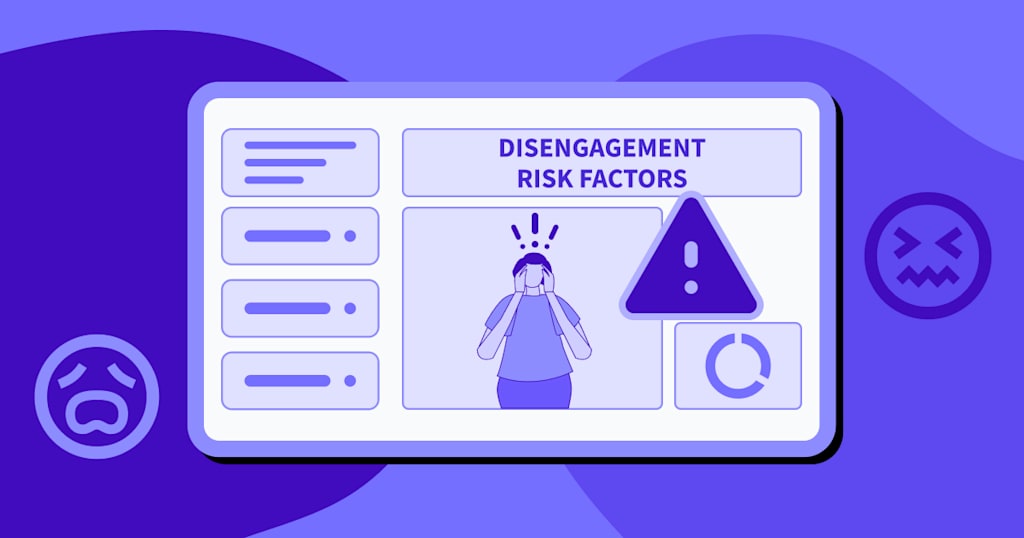
Workplace analytics tools attempt to address these concerns by focusing on patterns instead of surveillance. Many platforms analyze trends in collaboration instead of counting keystrokes or taking screenshots. Some systems even identify predictive disengagement signals. These patterns may include reduced participation in collaborative tools. Managers can start conversations with employees before issues turn into problems by noticing these signals early.
Building Trust
The success of bossware depends on how companies implement it. Transparency plays a crucial role. Employees should know what data organizations collect and how managers use that information. They should also be aware of the boundaries of monitoring. Clear policies reduce anxiety and help workers understand the purpose behind tracking tools. Employees feel comfortable with limited monitoring when companies explain their systems.
Many organizations also explore ethical productivity tracking methods that prioritize outcomes instead of minute activity. These approaches measure completed tasks and collaboration levels rather than digital behavior. This strategy respects employee autonomy while still providing managers with insights.
Finding the Balance
Bossware reflects a transformation in how companies manage their teams. Digital workplaces require tools to understand workflow efficiency. But technology cannot replace leadership. Managers still need communication skills and expectations. Monitoring software can provide information. But leaders must interpret that data carefully.
Bottom line
Bossware can reveal bottlenecks when used wisely. It can also highlight employees who are stressed and improve team coordination. But it can also erode trust and create a culture of suspicion when organizations rely on it heavily. The future of remote work will include some form of monitoring technology. The challenge lies in balancing insight and privacy. Companies that treat employees with respect while using data thoughtfully will build better remote teams.
---------------------------
Why Companies Use Bossware
Organizations use bossware to regain the visibility that remote work removed. Managers in a physical office could quickly notice when a project slowed down or when someone needed help. Remote environments make those signals harder to detect. Monitoring software provides data that helps managers understand how teams spend their time. A company might analyze how long employees take to complete tasks. Leaders can investigate the reason if a report takes longer than expected.
The Risk of Surveillance
Bossware carries serious risks when companies misuse it. Excessive monitoring can damage trust. Employees who feel constantly watched may experience stress or frustration. Some software records screenshots throughout the day or flags workers as inactive after short periods without keyboard input. These practices can create an environment that values constant activity. Such monitoring also ignores the reality of knowledge work. Employees spend time brainstorming without typing continuously. A rigid monitoring system may interpret these moments as inactivity even though they contribute to productivity.
--------------------------------------------------
About the Creator
Enjoyed the story? Support the Creator.
Subscribe for free to receive all their stories in your feed.
Comments
There are no comments for this story
Be the first to respond and start the conversation.