
The Role of ALPR in Traffic Monitoring: Enhancing Road Safety and Efficiency
The Role of ALPR in Traffic Monitoring
Introduction
In today's fast-paced world, managing traffic efficiently is crucial to ensure road safety and reduce congestion. Automatic License Plate Recognition (ALPR) technology has emerged as a key tool in traffic monitoring, helping authorities manage traffic flow, enforce laws, and increase public safety. This article explores how ALPR technology enhances road safety and efficiency in traffic management systems.
II. What is ALPR?
Automatic License Plate Recognition (ALPR) is a technology that uses cameras, software, and databases to automatically capture and interpret license plate data. The system operates by scanning vehicle license plates and cross-referencing the information with a database, which allows for tracking vehicles, detecting violations, and facilitating various traffic-related tasks. Initially developed for law enforcement, ALPR has now expanded its role in areas such as toll collection, traffic monitoring, and parking management.
The working mechanism of ALPR involves high-speed cameras capturing images of license plates, while the software processes and converts the image into text. The license plate data is then matched with a database to verify vehicle information. This technology has evolved significantly, thanks to advancements in computer vision development services that enhance the accuracy and speed of recognition.
III. How ALPR Helps Monitor Traffic
A. Real-time Traffic Monitoring
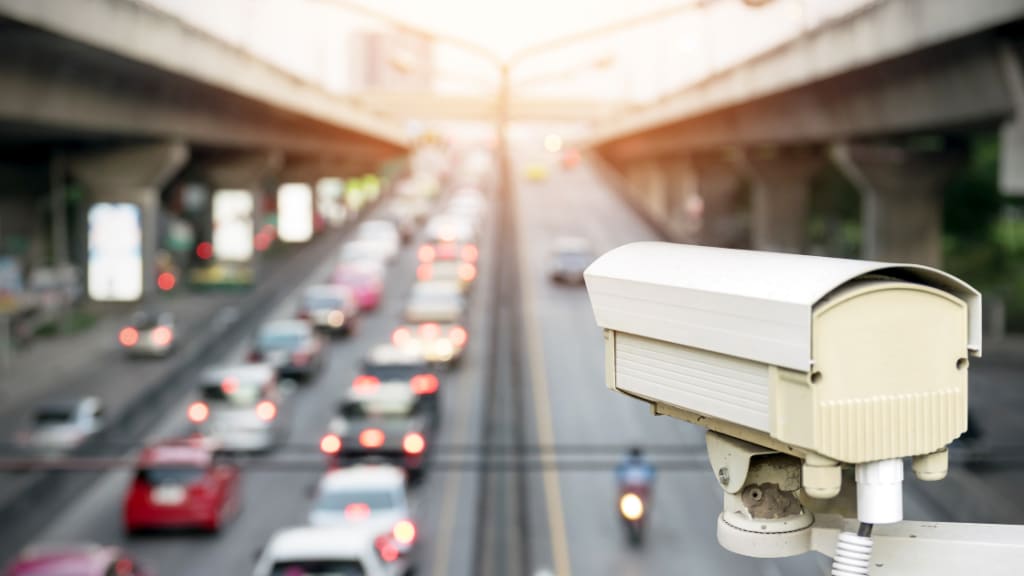
One of the most effective uses of ALPR technology is in real-time traffic monitoring. By capturing and analyzing license plate data, ALPR systems can monitor the flow of traffic and detect congestion. Traffic management authorities use this data to make informed decisions, such as adjusting traffic signals or rerouting vehicles, to alleviate congestion.
The data collected can also provide insights into traffic patterns, helping cities plan infrastructure projects and optimize road usage. The ability to monitor traffic in real-time allows for quicker responses to accidents or traffic build-ups, improving overall road efficiency.
B. Law Enforcement and Public Safety
ALPR technology plays a crucial role in enhancing public safety. Law enforcement agencies use ALPR systems to track vehicles involved in criminal activities, detect stolen vehicles, and identify drivers with outstanding warrants. ALPR systems can automatically alert officers when a flagged vehicle is detected, enabling swift action.
In addition to tracking criminal activity, ALPR helps monitor speed limits and other traffic violations, contributing to safer road conditions. By identifying vehicles that have violated traffic rules, ALPR supports law enforcement in maintaining order on the roads.
C. Toll Collection and Traffic Violation Enforcement
ALPR is widely used in automated toll collection systems, allowing vehicles to pass through toll booths without stopping. This not only reduces traffic congestion at toll points but also makes the process more efficient by eliminating manual payments. The system captures the vehicle’s license plate and charges the associated account automatically.
In terms of traffic violation enforcement, ALPR systems are used to issue automated tickets for speeding, running red lights, and other violations. This automation reduces the need for human intervention, making the enforcement process more efficient while freeing up resources for other traffic management tasks.
IV. Benefits of ALPR in Traffic Management
ALPR technology offers several benefits to traffic monitoring and management:
Improved Traffic Flow: Real-time monitoring and data analysis help reduce traffic jams by enabling authorities to adjust traffic signals or suggest alternate routes.
Efficient Toll and Parking Management: The use of ALPR in toll and parking systems speeds up transactions, minimizes delays, and ensures efficient operations.
Enhanced Law Enforcement: ALPR provides law enforcement with powerful tools to detect stolen vehicles, identify violators, and enforce traffic laws more effectively.
Public Safety: By identifying suspicious vehicles and enforcing traffic regulations, ALPR helps maintain road safety and reduces the likelihood of accidents.
V. Challenges and Considerations
Despite its advantages, ALPR technology presents several challenges. One of the primary concerns is privacy. Since ALPR systems capture license plate information in public spaces, there are ongoing debates regarding data security and how this information is stored and used.
The costs of implementing and maintaining ALPR systems can also be high, especially for large-scale traffic networks. Additionally, the reliance on technology raises concerns about system failures or inaccuracies, which could lead to wrongful citations or missed detections.
Ensuring a balance between technology and human oversight is essential for effective traffic monitoring and management using ALPR.
VI. Conclusion
Automatic License Plate Recognition (ALPR) is revolutionizing the way cities monitor and manage traffic. From real-time traffic monitoring to improving public safety and enhancing toll collection systems, ALPR technology has proven to be a critical asset in creating more efficient and safer roadways. As the technology continues to advance, with support from computer vision development services, the future of traffic management will likely see even greater integration of ALPR systems.
ALPR's ability to automate processes, detect violations, and streamline operations makes it a key component in the future of smart city infrastructure. With the right measures in place to address privacy and implementation challenges, ALPR will continue to enhance traffic monitoring and contribute to road safety and efficiency.
About the Creator
Enjoyed the story? Support the Creator.
Subscribe for free to receive all their stories in your feed.
Comments
There are no comments for this story
Be the first to respond and start the conversation.