
The Role of AEPS Services in India’s Financial Inclusion Journey
AEPS Services
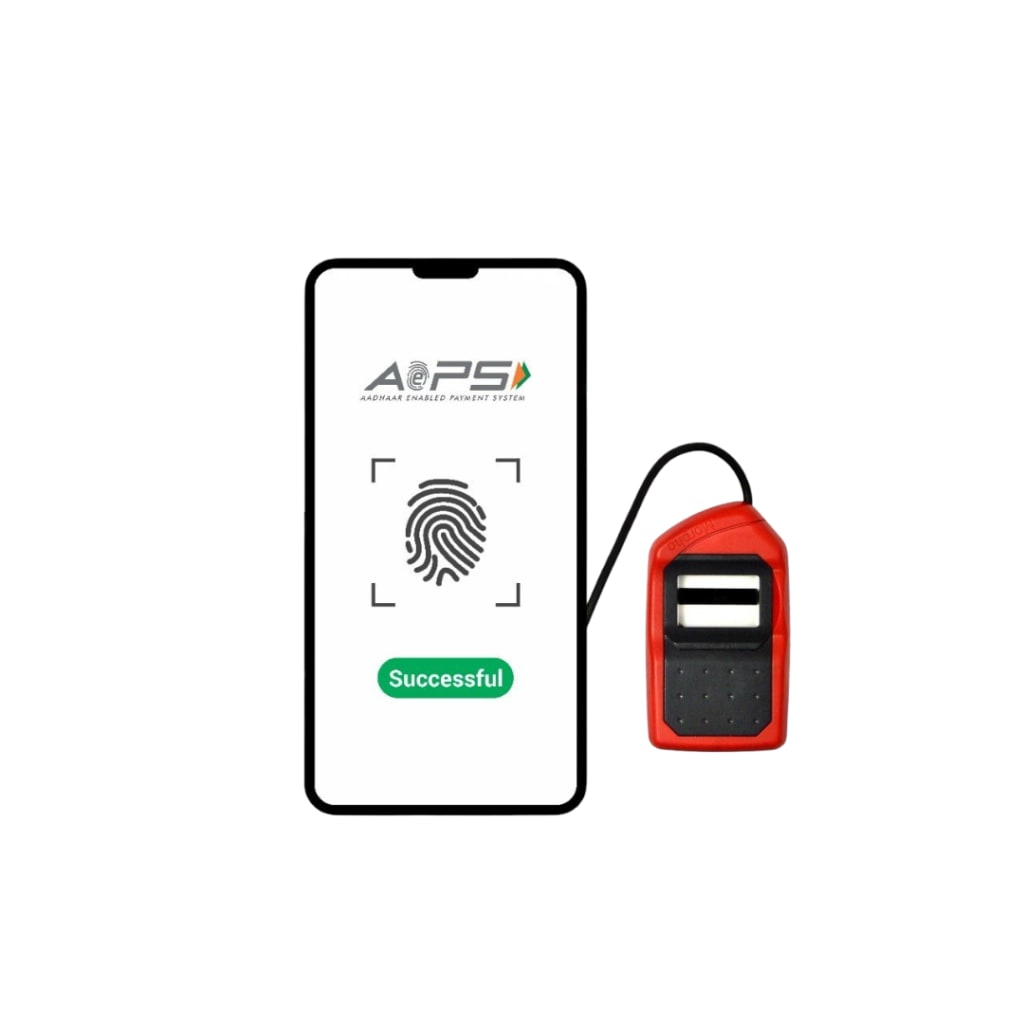
India’s financial system has undergone massive transformation in the last decade. While digital payment systems are becoming mainstream in cities, a large section of rural and semi-urban India has long remained outside the formal banking network. To solve this gap, the Aadhaar Enabled Payment System (AEPS) has emerged as one of the most important innovations. AEPS services have made it possible for people in villages to access banking services using only their Aadhaar number and fingerprint authentication. This has given millions of citizens the power to manage their money securely and easily, without depending on physical bank branches.
What is AEPS and How It Works
AEPS, short for Aadhaar Enabled Payment System, allows customers to perform basic banking transactions using their Aadhaar-linked bank accounts. All they need is their Aadhaar number and biometric authentication, usually through a fingerprint scanner. These services are provided through banking correspondents or agents who act as the last-mile link between banks and customers. With AEPS, users can withdraw cash, deposit money, transfer funds, check account balance, and make payments in a simple manner without carrying debit cards or visiting a bank branch.
AEPS and the Vision of Financial Inclusion
Financial inclusion means ensuring that every individual, especially those in rural and remote areas, has access to formal banking and financial services. India has made financial inclusion a top priority because access to banking is key to reducing poverty and empowering communities. AEPS directly supports this mission by offering convenient banking services in villages where bank branches or Micro ATM are often unavailable. Farmers, daily wage workers, small shopkeepers, and homemakers can all use AEPS services to securely access their money and make transactions without the need to travel long distances.
The Benefits of AEPS Services for Rural India
One of the biggest advantages of AEPS is accessibility. People no longer need to depend on physical infrastructure like ATMs or bank branches. Instead, local agents equipped with AEPS devices provide instant banking support. This saves time, reduces travel costs, and ensures financial security. AEPS has also improved transparency in government welfare schemes. Direct Benefit Transfers (DBT) such as subsidies, pensions, and scholarships are credited directly into Aadhaar-linked bank accounts. With AEPS, beneficiaries can withdraw their money easily and without middlemen, ensuring that they receive the full benefit.
Boosting Trust in Digital Banking
For many rural citizens, using digital banking was earlier seen as complex or unsafe. AEPS services have helped build trust by keeping the process simple and secure. Since transactions require Aadhaar verification through biometric authentication, the chances of fraud are minimized. This security, along with convenience, has encouraged more people to adopt digital banking. Over time, AEPS is playing a major role in making rural India comfortable with the idea of cashless and paperless transactions.
AEPS and Women Empowerment
Financial inclusion is not just about providing services but also about empowering people. Women, especially in rural households, often face challenges in accessing banking facilities due to mobility issues or lack of awareness. AEPS allows them to withdraw government benefits, manage savings, and conduct small transactions directly from their villages. This independence helps women play an active role in family financial decisions and contributes to overall community development.
Driving Small Business Growth
Local shops, small vendors, and service providers have also benefited from AEPS services. Agents who provide AEPS banking become entrepreneurs themselves, earning commissions on every transaction. This has created new livelihood opportunities and made financial services a part of rural commerce. For small businesses, easy cash withdrawal and digital transaction options have improved efficiency and trust among customers.
The Role of Government and Technology in AEPS Expansion
The government of India and the National Payments Corporation of India (NPCI) have played a crucial role in promoting AEPS. By linking bank accounts with Aadhaar and ensuring interoperability between banks, they have created a strong digital payment infrastructure. Technology providers, fintech companies, and software developers have further supported AEPS expansion by building secure and user-friendly solutions for agents and banks. Continuous upgrades in AEPS software service, biometric devices, and mobile-based services are making the system more reliable and scalable for future needs.
Challenges Faced by AEPS Services
While AEPS has brought major progress, some challenges still remain. Poor internet connectivity in rural areas often disrupts transactions. At times, biometric devices face issues in reading fingerprints due to age or manual labor conditions. Awareness is another challenge, as many rural citizens are still unfamiliar with the benefits of AEPS. To overcome these barriers, investment in digital infrastructure, better training for agents, and awareness campaigns are essential.
The Future of AEPS in India’s Financial Inclusion Journey
The journey of financial inclusion in India is far from complete, but AEPS has laid a strong foundation. In the coming years, AEPS services are expected to become even more advanced with integration into mobile apps, multi-language support, and real-time analytics. With continuous improvements, AEPS will not only expand access to banking but also strengthen India’s vision of becoming a digital-first economy. By connecting every citizen, even in the remotest villages, to formal financial services, AEPS is transforming lives and making inclusive growth a reality.
Conclusion
AEPS services have become a lifeline for India’s financial inclusion mission. By enabling banking through Aadhaar and biometrics, AEPS has reached millions who were once excluded from the system. It has empowered rural citizens, supported government schemes, boosted small businesses, and created trust in digital banking. As the system evolves with better technology and wider adoption, AEPS admin will continue to drive India’s journey towards a cashless and inclusive economy. For this reason, AEPS is not just a payment solution but a social and economic revolution. Keywords like AEPS Portal provider, AEPS B2B Software, AEPS Admin Software, Aadhaar Enabled Payment System Software, AEPS Solution provider, AEPS Banking Software, AEPS Software for Agents, AEPS API Software, AEPS API, AEPS API Provider, AEPS API solution, AEPS Software development company, and AEPS Software development play a vital role in describing how this ecosystem is shaping the future of India’s financial inclusion.
About the Creator
Enjoyed the story? Support the Creator.
Subscribe for free to receive all their stories in your feed.
Comments
There are no comments for this story
Be the first to respond and start the conversation.