
The Rising Cost of Streaming: Disney’s Price Hikes and the End of the Bargain Era
Subscriptions Climb Again as Industry Shifts From Growth to Profitability New Models and Free Tiers Emerge to Balance Access and Revenue

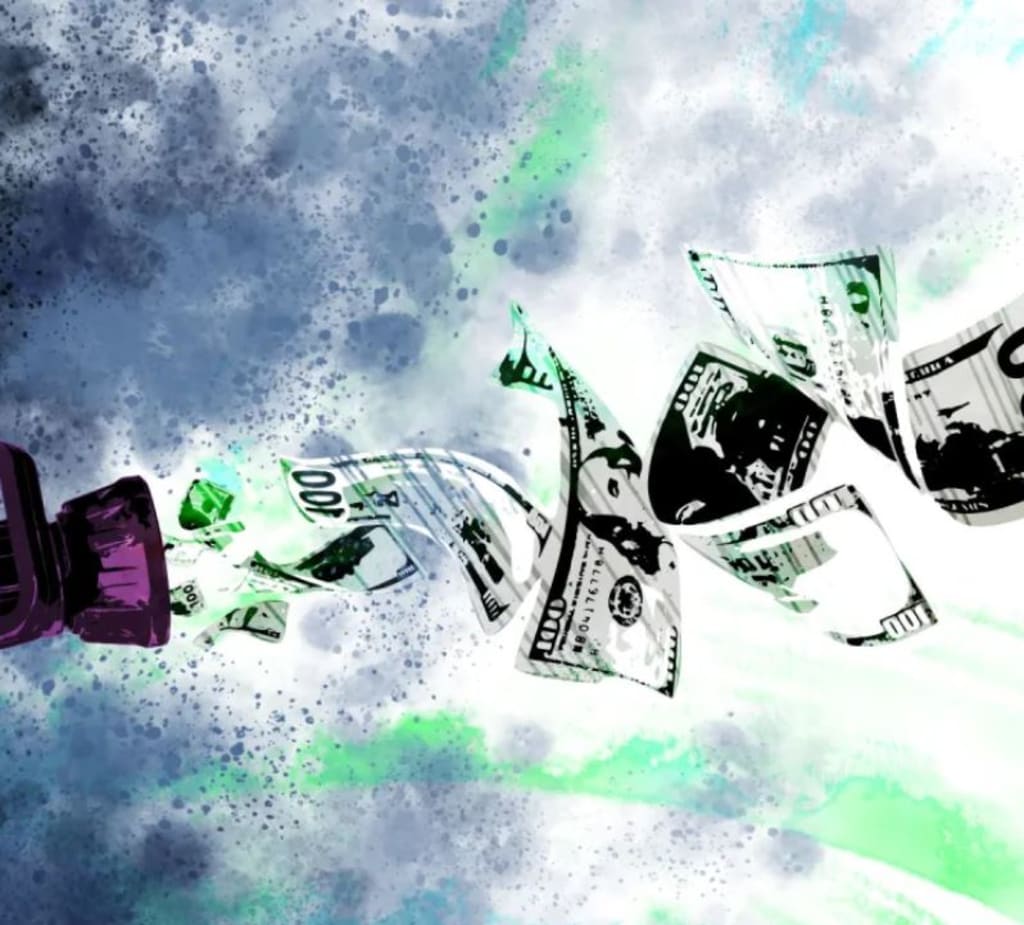
Streaming has entered a new and decidedly more expensive phase. Disney has announced sweeping price increases across Disney+ and Hulu, joining a growing list of major platforms raising subscription costs in 2026. The adjustments mark the latest step in a years-long evolution: from the low-cost introductory rates that won millions of early subscribers to the sustainable revenue models now required to support billions in content investment. As prices rise across the board, the industry is navigating a delicate balancing act, extracting fair value from premium programming while keeping services accessible to broader audiences.
The Scale of the Increases
The new pricing structure, confirmed on Disney+’s official support page and first reported by Bloomberg, affects nearly every tier:
Ad-free Disney+ rises from $18.99 to $21.49 per month — a 13% increase
Ad-free Hulu climbs by the same amount, also reaching $21.49 per month
The combined ad-free Disney+ and Hulu bundle increases from $19.99 to $21.99 per month
Standalone ad-supported versions of both services rise modestly, from $11.99 to $12.49 per month
Notably, the combined ad-supported bundle remains unchanged at $12.99 per month, a deliberate choice to protect the most affordable entry point
These changes come roughly one year after a comparable round of hikes in September 2025. The contrast with Disney+’s launch in November 2019 is striking: the service debuted at just $6.99 per month, a rate designed to rapidly build an audience. Today, that price has more than tripled for premium subscribers, reflecting the massive and ongoing investment required to create, licence, and stream original and library content worldwide.
An Industry-Wide Trend
Disney is not acting alone. The pattern of regular price adjustments has become the new normal across the streaming landscape:
Netflix raised prices in March 2026, continuing its own steady upward trajectory
Peacock increased rates across all plans in August
Apple TV+ also announced price hikes the same month
Collectively, these moves confirm that the era of streaming as a cheap alternative to cable television has drawn to a close. The priority has shifted decisively from subscriber acquisition to profitability, from signing up anyone who will try the service, to building a sustainable business that can stand on its own financial merits.
Financial Results and Strategic Evolution
The new strategy is already yielding results. In its latest quarterly financial report, Disney disclosed that combined streaming revenue from Disney+ and Hulu rose 11% to $5.5 billion, driven by both subscriber growth and the cumulative effect of previous price increases. Streaming has transformed from a major financial drain into a core pillar of the company’s income.
Yet Disney is not relying on higher prices alone. The company is actively exploring new avenues to expand its reach and diversify its audience:
A free tier is under serious consideration: Reports from July 2026 confirmed Disney is evaluating an ad-supported no-cost version of Disney+, which would place it in direct competition with platforms like YouTube and Tubi, capturing viewers who cannot or will not pay a subscription fee
Engagement tools are being strengthened: New curated playlist features introduced in September are designed to keep audiences watching longer and discovering more content, increasing the value proposition
Technology leadership is being refreshed: Karandeep Anand was named Disney’s first-ever Chief Technology Officer, a move signalling renewed focus on platform innovation, reliability, and efficiency notably, Anand previously led Character.AI, a startup Disney once accused of intellectual property infringement, illustrating how rapidly the digital landscape is evolving
The Human Element: Value Versus Affordability
By holding the combined ad-supported bundle steady at $12.99, Disney is making a clear distinction between markets: premium viewers willing to pay for uninterrupted, high-definition content will do so, while budget-conscious households will retain an accessible option. This tiered approach mirrors the model long used by traditional television basic cable versus premium channels and reflects a maturing industry.
The real test will be subscriber retention. As costs rise across multiple services, consumers are increasingly reviewing which subscriptions to keep, which to cancel, and which to share. Disney’s challenge is to demonstrate that its content ecosystem Marvel, Star Wars, Pixar, National Geographic, and Hulu’s exclusive original programming remains essential viewing, not easily replaced.
A New Normal for Entertainment
Streaming has grown up. The bargain rates that built the industry are being replaced by prices that reflect the true cost of delivering world-class entertainment. For Disney, the path forward combines premium pricing, protected affordable tiers, and potential new free offerings all while investing in technology and discovery to keep audiences engaged. For viewers, the message is clear: convenience, quality, and choice come at a price, and that price is continuing to rise. The question is not whether streaming will cost more, it is whether it will remain worth it.
About the Creator
Mark Lim
Hi I am mark an automotive student and a car, tech and food enthusiast ! Im gonna try and post daily & hope you enjoy what I write and do share my page with people you know. I would gladly appreciate it! Cheers
Enjoyed the story? Support the Creator.
Subscribe for free to receive all their stories in your feed.
Comments
There are no comments for this story
Be the first to respond and start the conversation.