
The Rise of Recharge APIs in Rural India: Bridging the Digital Gap
Recharge API
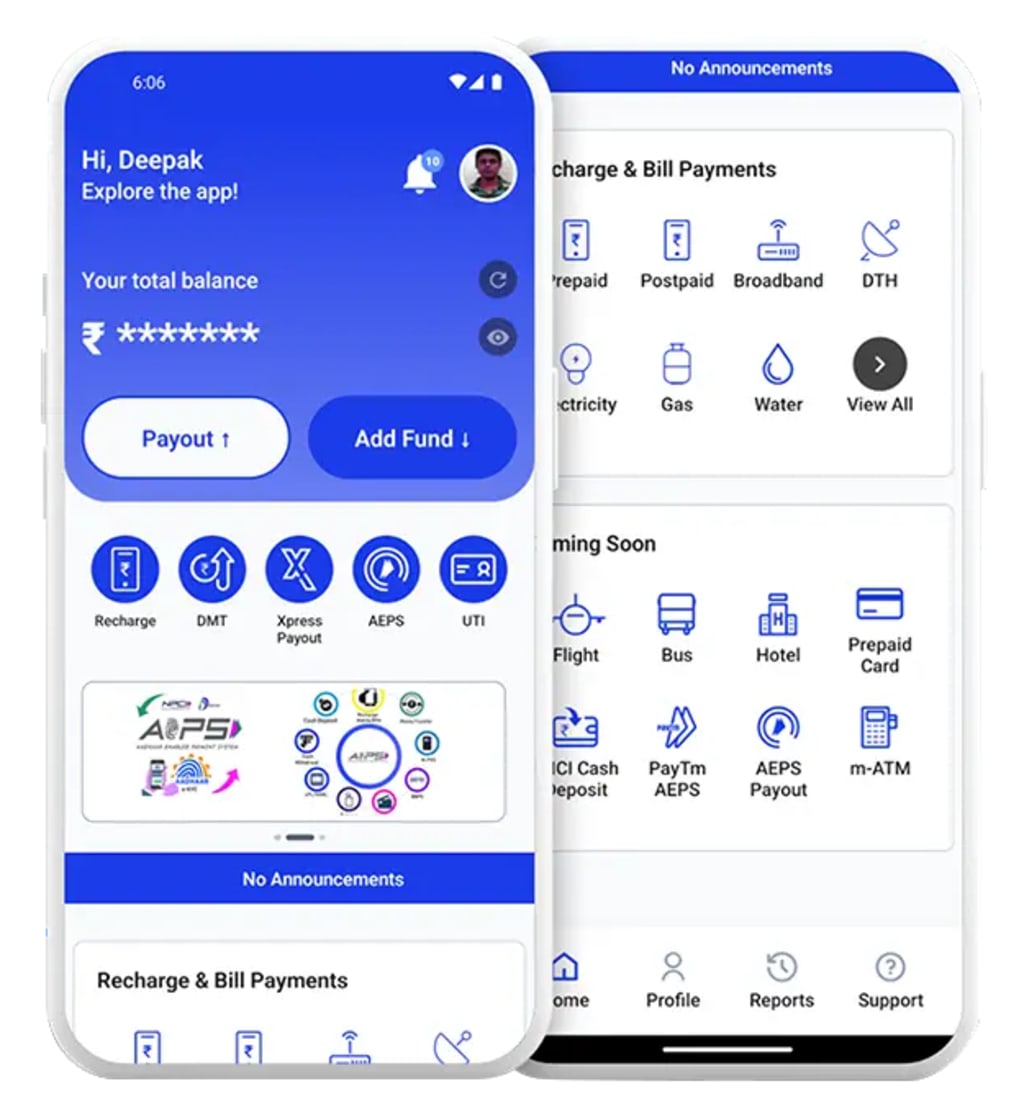
India is undergoing a digital revolution, but while urban cities embrace mobile apps and online banking, rural areas still struggle with limited access to digital services. One innovation, however, is quietly transforming how people in villages and small towns manage their daily digital needs — Recharge API. These APIs (Application Programming Interfaces) allow real-time mobile recharges, DTH recharges, utility bill payments, and more, all through localized platforms run by small businesses and agents.
The success of Recharge APIs in rural India reflects not just a growing demand for digital connectivity, but also a rising wave of financial and technological empowerment in places that were previously disconnected.
What is a Recharge API?
A Recharge API is a digital tool that allows software applications or portals to connect with telecom operators or service providers in real time. With a Recharge API integrated into their platform, agents or businesses can offer:
Mobile recharges (all operators)
DTH recharges
Utility bill payments
Data card top-ups
Essentially, it's the backend technology that powers all kinds of digital top-up services.
Why Recharge APIs Matter in Rural Areas
In urban India, most people recharge their phones or pay bills through apps like Paytm, Google Pay, or banking apps. However, in rural India, internet access is often limited, and smartphone usage is relatively lower. Most people prefer local retail shops to carry out these services. Here's where Recharge APIs come in.
Local shopkeepers or Common Service Centers (CSCs) use mobile recharge portals or recharge admin software connected to Recharge APIs to offer instant services to villagers. This reduces the need for long-distance travel and allows rural customers to access digital services easily.
Key Benefits of Recharge APIs in Rural India
1. Digital Empowerment at the Grassroots Level
Villagers who previously had no access to digital payments now have access to mobile recharges, bill payments, and other services through a local agent.
2. New Income Source for Local Entrepreneurs
Local store owners and small agents earn commissions on each transaction, helping them increase their monthly earnings and create sustainable businesses.
3. Boosting Connectivity
Mobile connectivity is vital in today’s world. Recharge APIs help ensure that mobile phones remain active, especially in areas where mobile access is the main form of communication and information.
4. Supports Financial Inclusion
With the integration of AEPS portals and micro ATM providers, recharge agents are also offering basic banking services, further improving financial access in villages.
How Recharge APIs Are Implemented
Most businesses in this sector start by partnering with a Recharge API provider. These providers offer a pre-built or custom API that can be integrated into web portals, apps, or recharge B2B platform. Once integrated, the business can begin offering recharge and bill payment services under their own brand.
Some providers also offer a Recharge Admin Panel, which allows business owners to monitor transactions, manage agents, view commissions, and generate reports.
Key features of a strong recharge API system include:
Fast response time
24/7 uptime
Multi-operator support
Error handling and refund management
Secure payment gateways
The Growing Ecosystem: More Than Just Mobile Recharges
While Recharge APIs started with simple prepaid mobile recharges, the ecosystem has now expanded to include:
DTH services
Electricity and gas bill payments
Water bills
LIC premiums and insurance payments
FASTag recharge
Integration with other services like AEPS (Aadhaar Enabled Payment System), BBPS (Bharat Bill Payment System), and money transfer software has turned rural retailers into full-fledged digital service providers.
Challenges and the Way Forward
While Recharge APIs have made great strides, challenges remain. These include:
Internet connectivity in remote areas
Digital literacy among users
Dependence on cash for most transactions
To overcome these, further government and private sector support is essential. Awareness programs, improved rural internet infrastructure, and reliable customer support from API providers can go a long way.
In addition, improvements in mobile recharge API integration, multi-language support, and lightweight apps can enhance the user experience and boost adoption across non-tech-savvy demographics.
How Entrepreneurs Can Join This Digital Wave
Entrepreneurs looking to launch their own recharge platform can start by:
Partnering with a Recharge API provider
Choose a provider offering reliable service, fast integration, and competitive margins.
Setting up a Recharge Portal
Customize a mobile recharge portal or app with your branding, services, and commission structures.
Onboarding Agents and Distributors
Appoint agents in your local area to expand your network and reach more users.
Offering Additional Services
Add AEPS, DMT (Domestic Money Transfer), PAN card services, and more to increase revenue opportunities.
This business model is cost-effective, scalable, and ideal for areas underserved by traditional banks or telecom outlets.
Conclusion
The growth of Recharge API in rural India is a clear sign that digital inclusion is no longer limited to cities. With support from local businesses, recharge API providers, and evolving fintech solutions, even the most remote villages can now access mobile services, pay bills, and even conduct basic banking — all without needing a smartphone or internet at home.
By embracing technology that is both powerful and easy to use, India is making steady progress toward its dream of Digital Bharat.
If you're looking to enter this space, choose reliable partners for services like Micro ATM provider, Recharge API provider, Recharge API, Mobile recharge API, Mobile recharge API provider, Recharge API Integration, Mobile recharge API integration, Recharge Portal, AEPS Portal, AEPS Portal provider, Mobile recharge Portal, AEPS Admin, and Recharge Admin Software. With the right tools and approach, you can help bring digital services to the last mile — and build a strong business while doing it.
About the Creator
Enjoyed the story? Support the Creator.
Subscribe for free to receive all their stories in your feed.
Comments
There are no comments for this story
Be the first to respond and start the conversation.