
The Quiet Pressure of Owning a House You’re Ready to Leave Behind
House Buyers
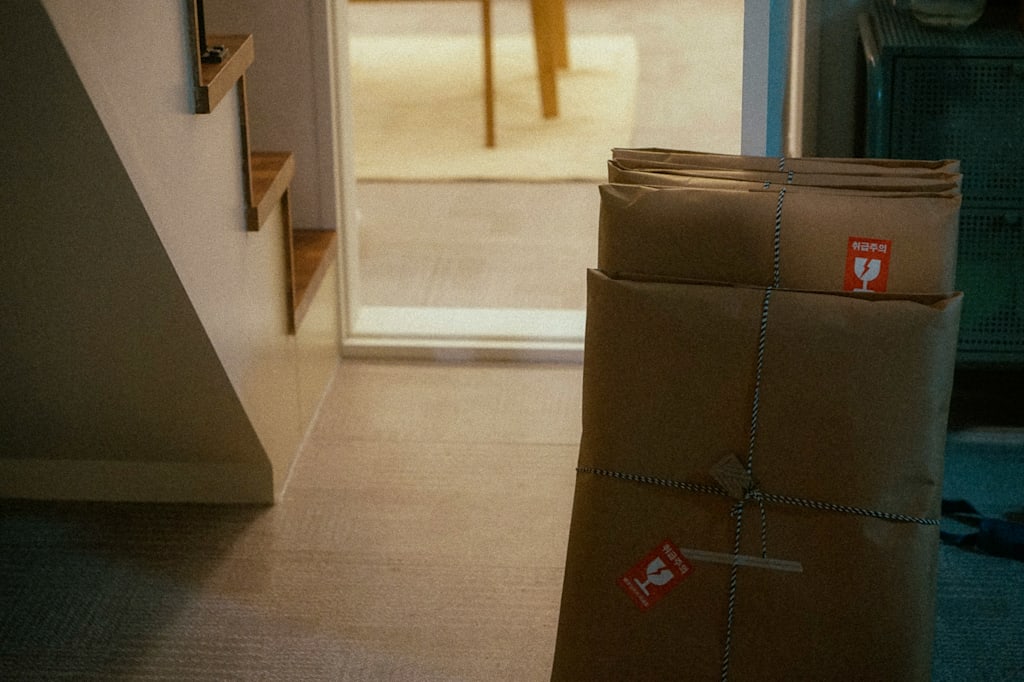
When a house becomes more responsibility than comfort, selling can be less about walking away and more about moving forward.
There is a strange guilt that comes with admitting a house has become too much.
People do not always talk about that part. They talk about home values, mortgage rates, renovations, curb appeal, and whether the kitchen needs updating before a sale. They talk about timing the market and getting the right offer. But they do not always talk about the quieter feeling underneath it all: the sense that a place you once cared for has slowly become a weight.
A house can hold memories and still become exhausting.
It can be full of birthdays, holidays, long conversations, half-finished projects, and ordinary mornings that seemed unimportant at the time. It can also become a place where every room reminds you of something that needs to be fixed, decided, packed, cleaned, paid for, or explained.
That does not make someone ungrateful. It makes them human.
For many homeowners, the decision to sell does not arrive in one dramatic moment. It builds slowly. A repair gets delayed because there is no time. Then another one appears. A basement smells damp after rain. A fence leans. Paint begins to peel. An old appliance becomes unreliable. The yard takes more energy than expected. A house that once felt manageable starts to feel like a second job.
At first, the answer is usually, “I’ll deal with it soon.”
Then soon becomes next month.
Then next month becomes next year.
Eventually, the house starts asking for more than the owner can comfortably give.
I have always thought there is something emotionally complicated about property. We are taught to see a home as a symbol of stability, achievement, and identity. Owning one is often described as a milestone. Selling one, especially under pressure, can feel like an admission that something has changed.
But change is not failure.
Sometimes life changes before the house does. A job moves. A family situation shifts. A parent passes away. A marriage ends. Health changes. Money gets tighter. Children grow up. The neighborhood feels different. The future starts pulling in another direction.
And suddenly, the home that once fit your life no longer fits the life you are actually living.
That realization can be uncomfortable, but it can also be freeing.
The traditional path to selling a home can work well for people who have the time, money, and energy to prepare for it. There is value in cleaning, repairing, staging, listing, showing, waiting, negotiating, and trying to get the strongest possible offer. For some homeowners, that route makes perfect sense.
But it is not the only route.
Not every house is ready for polished photos and weekend showings. Not every owner wants to spend months preparing a property for strangers to walk through. Not every family has the ability to pay for repairs before selling. Not every situation allows for patience.

That is especially true in places where real estate carries both financial value and personal pressure. In a community like Bethesda, Maryland, a house can represent a major asset, but it can also represent a major responsibility. For someone who needs to move on, the question is not always “How do I make this house perfect for the market?” Sometimes the question is simply, “What is the most reasonable way to close this chapter?”
That question deserves an honest answer.
I think one of the most overlooked parts of selling a home is the need for certainty. People often focus only on price, but certainty has value too. Knowing when a sale will happen can help a person plan the next step. It can help reduce monthly expenses. It can make a difficult transition feel less open-ended.
This is why some homeowners research alternatives to the traditional listing process. Some look into selling as-is. Some speak with local agents. Some compare direct-sale options. Some read through resources like this page about selling a house in Bethesda to better understand what choices exist before deciding what feels right.
The point is not that one option is best for everyone. It is that homeowners deserve to know there is more than one way to let go of a house.
A home sale is rarely just a transaction. It is often the closing of a private chapter. Even when the decision is practical, it can still feel emotional. There may be relief, sadness, frustration, and hope all at once. That mix can be hard to explain to people who only see the outside of the decision.
From the outside, selling a house may look simple. You own something. You sell it. You move.
From the inside, it can feel much more layered.
You may be sorting through rooms full of things you forgot you kept. You may be deciding what to do with furniture, photos, tools, boxes, and papers. You may be revisiting memories you were not expecting to revisit. You may be trying to make smart financial choices while also managing grief, stress, or uncertainty.
That is a lot to carry.
So maybe the better question is not whether a person is “ready” in some perfect emotional sense. Maybe the better question is whether keeping the house is still helping them live the life they need to live.
If the answer is no, then selling can become an act of care.
Care for your time.
Care for your energy.
Care for your finances.
Care for the version of yourself that is trying to move forward.
There is no shame in choosing simplicity when life is already complicated. There is no shame in wanting fewer steps, fewer repairs, fewer unknowns, and a clearer ending. There is no shame in admitting that a house has served its purpose and that it is time for someone else’s chapter to begin there.
A house can be loved and still be released.
That may be the quiet truth behind many home sales. Not every move is about chasing something bigger or better. Sometimes it is about accepting that the old arrangement no longer works. Sometimes it is about giving yourself permission to stop maintaining a life you have already outgrown.
And sometimes, the most peaceful part of owning a house is finally knowing when to let it go.
About the Creator
Enjoyed the story? Support the Creator.
Subscribe for free to receive all their stories in your feed.
Comments
There are no comments for this story
Be the first to respond and start the conversation.