
The Quiet Evolution of the Modern Building Site
Strong, sustainable and cost-effective building solutions
For those of us in the construction industry, the morning ritual on a building site hasn't changed much in decades. You arrive, you assess the weather, you coordinate with trades, and you manage the inevitable chaos of onsite modifications. But lately, I’ve been observing a subtle, yet profound, shift in how we approach one of the most fundamental aspects of a build: the wall frame.
For years, the industry leaned heavily on traditional methods. We’d frame on-site, cutting timber to length as we went, adjusting for errors, and dealing with the weight and rigidity of heavy materials. It was the way it had always been done. However, the pressure to deliver homes faster, more sustainably, and with better cost control has forced a rethink.
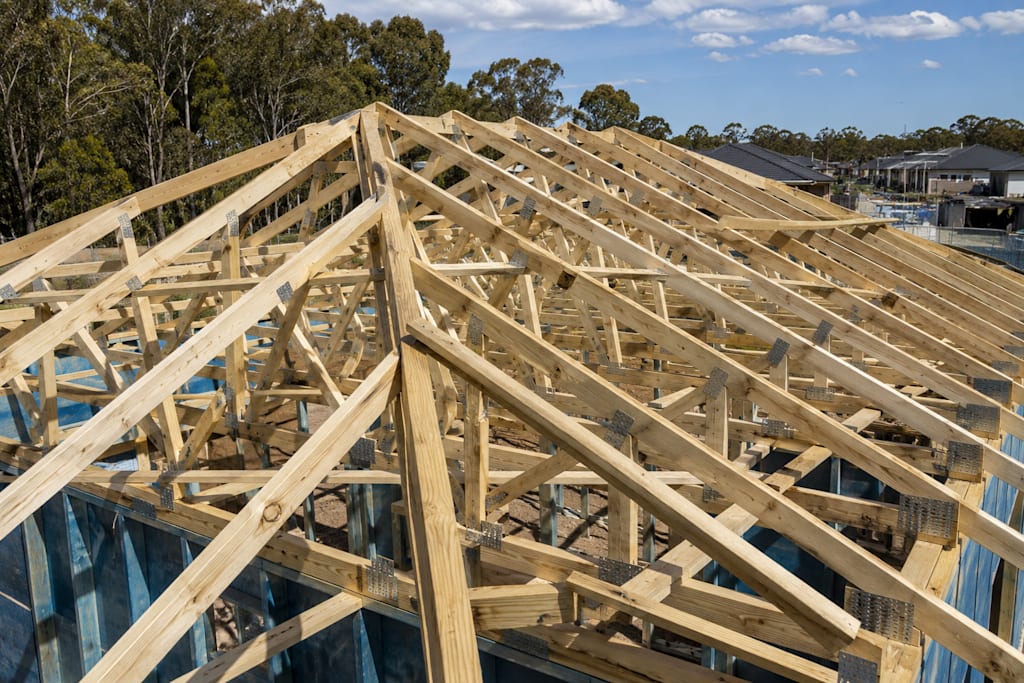
I’ve been looking closely at the transition toward engineered timber wall systems, like Frame-X, and it’s clear that we are moving toward a more predictable era of construction. When you switch from traditional stick-building to engineered, prefabricated frames, the change in the site’s "vibe" is immediate.
The Problem with Traditional "On-the-Fly" Construction
Traditional building methods are labor-intensive. Every cut made on-site is a potential point of failure. If the timber isn't perfect, or if the measurements are off by even a few millimeters, the ripple effect on the rest of the build can be costly. We spend hours—sometimes days—manually altering components to make them fit.
This, of course, is where the inefficiencies lie. It’s not just the labor cost of the time spent cutting; it’s the waste generated, the material disposal costs, and the frustration of managing a timeline that is perpetually at the mercy of human error.
Why Precision Changes Everything
When you shift to an engineered timber wall system, you aren't just buying "walls"; you are buying accuracy. These systems rely on advanced manufacturing processes where every stud is accounted for before it even arrives at the site.
The most immediate benefit is the speed of installation. Because the components are designed to fit together like a high-end puzzle, the reliance on manual alteration disappears. A project that might have taken a week to frame can often be enclosed in a fraction of that time. For a builder, this predictability is invaluable. It means the plumbing, electrical, and finishing trades can get on-site sooner, and the entire project schedule tightens up.
Beyond speed, there is the issue of thermal performance. We are all under increasing pressure to meet stricter energy efficiency standards. Timber is a natural insulator, and when engineered systems are used, the structural integrity of the frame allows for better insulation placement without the "thermal bridging" often associated with steel or heavy masonry. This makes the final building not only cheaper to build but much more comfortable for the end-user to heat and cool.
A Mindset Shift
The most difficult part of adopting new technology is often the cultural shift. It requires us to trust the design and the engineering before we ever pick up a hammer. It requires us to prioritize pre-planning over on-site improvisation.
In my experience, once a builder makes that leap, they rarely look back. The ability to control costs by reducing waste and maximizing efficiency isn’t just a "nice-to-have" feature; in the current market, it is essential. Whether you are working on a single-family home, a complex multi-unit townhouse development, or a commercial fit-out, the goal remains the same: accuracy, efficiency, and sustainability.
As we look toward the future, it is evident that the "old way" of doing things—while nostalgic—doesn't hold up against the modern demands for efficiency. Timber framing has proven itself not just as a reliable structural solution, but as a strategic asset for any builder serious about their reputation and their bottom line.
It is time we stop seeing framing as just a basic task and start viewing it as the foundation of a more efficient, sustainable, and profitable construction future.
About the Creator
Frame-X
Frame-X is a dedicated manufacturer of high-quality timber roof trusses & wall frames supporting residential and commercial construction projects with precision-built structural solutions.
Enjoyed the story? Support the Creator.
Subscribe for free to receive all their stories in your feed.
Comments