
The Quiet Energy Revolution Happening Across Europe
Why Smart Energy Management Is Becoming Part of Everyday Life
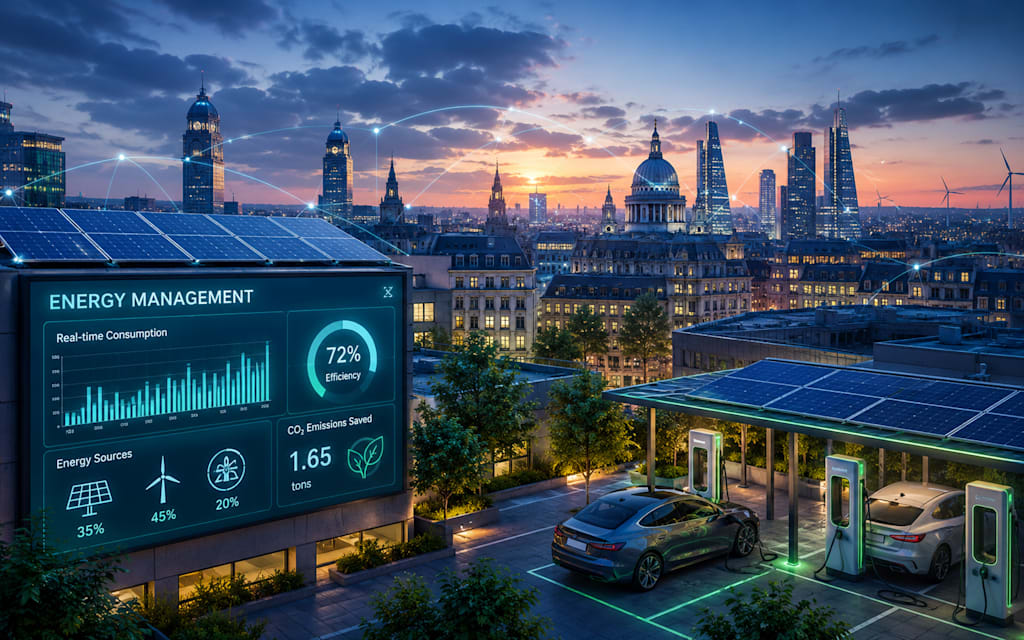
The first thing most people notice about a modern building isn't the technology hidden inside it.
It's the comfort.
The lights turn on when they're needed. Heating systems adjust automatically. Elevators, ventilation systems, and equipment operate smoothly in the background. Everything seems effortless.
What many people don't realize is that an invisible network of software, sensors, and data is often working around the clock to make that experience possible.
Across Europe, a quiet transformation is changing how energy is monitored, managed, and consumed. Unlike the dramatic headlines surrounding renewable energy projects or electric vehicles, this shift rarely makes front-page news. Yet it may become one of the most important developments shaping the region's future.
According to Mordor Intelligence, the Europe energy management systems market size is projected to grow from USD 19.52 billion in 2026 to USD 35.83 billion by 2031, reflecting the increasing role of intelligent energy solutions across industries and communities.
But behind those numbers is a much bigger story.
### A New Way of Thinking About Energy
For decades, energy was something most organizations thought about only when utility bills arrived.
Factories monitored production. Office buildings focused on occupancy. Retail stores tracked sales.
Energy consumption was often treated as a fixed operational expense rather than something that could be actively optimized.
That mindset is changing.
Today, companies have access to systems that can identify inefficiencies in real time. A facility manager can spot unusual consumption patterns before they become costly problems. Building operators can adjust heating and cooling automatically based on occupancy levels. Manufacturing plants can gain visibility into how energy is being used across different production processes.
The growing adoption of these technologies is helping drive Europe energy management systems market growth across a wide range of sectors.
What makes this evolution particularly interesting is its broad reach.
Hospitals rely on stable and efficient energy systems to support critical operations. Universities manage energy use across sprawling campuses. Commercial buildings seek ways to improve efficiency while maintaining comfort for occupants.
In each case, the goal is similar: understanding energy consumption well enough to make smarter decisions.
### Technology Working Behind the Scenes
The most influential technologies are often the least visible.
Energy management systems rarely attract attention because they operate quietly in the background. Sensors collect information. Software analyzes patterns. Automated controls respond to changing conditions.
Together, these tools create a clearer picture of how energy moves through a building, facility, or infrastructure network.
Many experts point to digitalization as one of the defining Europe energy management systems market trends shaping the industry today. As organizations gather more operational data, they are increasingly able to connect energy performance with broader business objectives.
The result is a shift from reactive management to proactive planning.
Instead of asking why energy costs increased last month, organizations can identify issues as they occur and respond more quickly.
This transition is also influencing the Europe energy management systems market share landscape as solution providers continue developing platforms tailored to specific industries and operational requirements.
### Looking Ahead
Europe's energy future will likely involve more than generating cleaner power.
It will also depend on how effectively that energy is used.
Smart management systems are helping organizations gain visibility, improve efficiency, and better understand their relationship with energy. As digital technologies continue to evolve, these capabilities may become as common as internet connectivity or cloud computing.
The Europe energy management systems market forecast reflects this growing momentum, but the broader story is about something more fundamental: learning how to make informed decisions about one of society's most valuable resources.
The Europe energy management systems Industry may not always attract public attention, yet its impact is becoming increasingly visible in workplaces, institutions, and communities across the region.
Perhaps the most remarkable part of this transformation is how ordinary it feels.
The future of energy management is not arriving through a single breakthrough moment. It is emerging gradually, building by building, system by system, decision by decision.
And that may be exactly why it matters.
What changes have you noticed in the way technology is helping businesses and cities use energy more efficiently?
About the Creator
Enjoyed the story? Support the Creator.
Subscribe for free to receive all their stories in your feed.
Comments
There are no comments for this story
Be the first to respond and start the conversation.