
The Part of Moving to Portugal No Checklist Prepares You For
The Reality Behind a Fresh Start

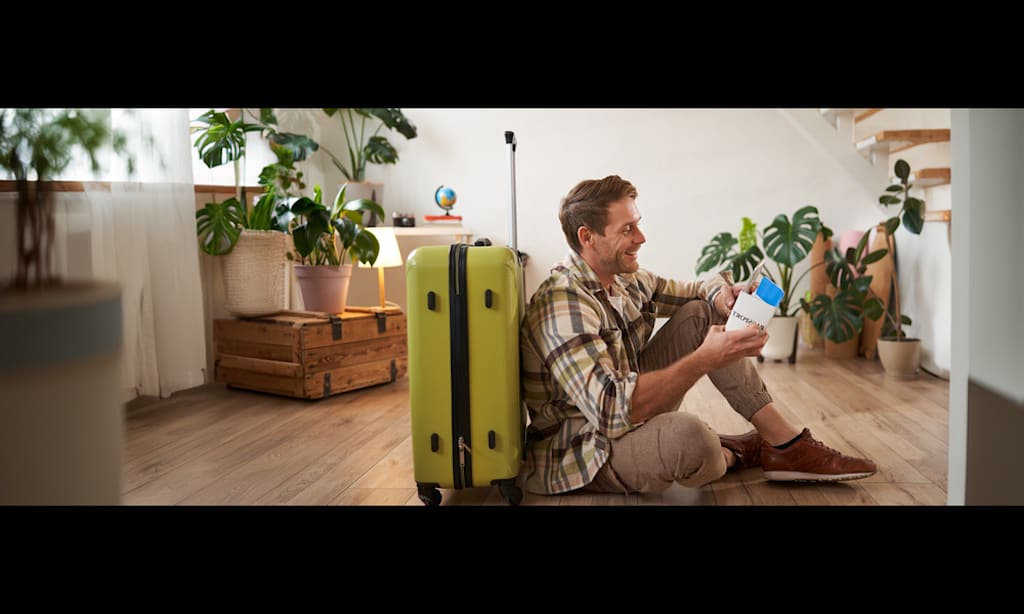
The visa gets approved. The documents get translated, stamped, and filed. The flight lands. And then, usually somewhere in the second or third week, a quieter question turns up, one no consulate ever asked: are you actually ready to start over?
The practical list is real, and it matters. Passport. NIF number. Proof of accommodation. Health cover. Copies of the copies. That paperwork is the bridge between the saved photo of Lisbon and the door that actually opens. Get it wrong and nothing else happens.
But there is a second list nobody hands you at the appointment. It does not upload to a portal. It asks whether you are ready to be new somewhere, to be misunderstood at the bakery, to wait longer than you planned, and to feel brave on a Tuesday and oddly lonely on the Wednesday.
Portugal is a good place to build a life. It will also ask you to slow down and learn to belong at a different speed. That part is worth packing for too.
The list nobody hands you
Start with patience, which sounds obvious until you are refreshing an inbox, waiting on a landlord, or watching one simple task turn into a chain of five. Daily life here can feel gentle. Anything that needs an answer fast can feel like the opposite. You probably moved for the slower rhythm. One day that same slowness is the thing testing you, and the skill is telling the difference between a real problem and a process that just has its own pace. Follow up, politely. Ask again. Keep your documents in one folder and your expectations loose.
Then humility, because moving abroad turns competent adults back into beginners. You may have run a company or raised three kids, and still find yourself rehearsing a sentence before a phone call or squinting at a utility bill you cannot parse. That stings. The work is not confusing "new" with "incapable." You are not less able because you need help with a form. You are learning the operating system of an entire country from scratch.
Learning a little Portuguese early helps more than the phrasebook suggests, even in a city where plenty of people speak English. Bom dia. Obrigado. Desculpe. Pode repetir? Four small phrases change the temperature of a whole interaction. They say: I know I am in your country, and I am trying.
And flexibility, because most people arrive with one very specific picture. The tiled flat in Lisbon, coffee outside, weekends by the sea. Some of it happens. Some of it happens differently. Lisbon prices you out and Setúbal turns out to fit better. Porto is beautiful and the rain surprises you. The apartment you loved online does not take pets. The move gets easier the moment you stop treating your first plan as the only version that counts.
This is the case for getting the practical scaffolding out of the way early. Sequence the visa route, the NIF, the proof of address, and the health cover before you land, so none of it is competing for attention with the harder emotional adjustment later. A relocation service like AnchorLess maps that whole sequence into one guide to moving to Portugal, plus a free checklist for your specific visa route, which is worth reading before the flight rather than after it, when you have less patience to spare.
The identity shift you can't pre-book
There is a strange turn after the move. At first everything is new and therefore exciting. The supermarket is an event. The light is different. Buying bread feels like a small adventure. Then the novelty thins out and a more honest phase starts. You are not visiting. You live here. The old shortcuts are gone, your friends are in other time zones, and you find yourself missing things you never thought you cared about, like a specific cereal or the easy small talk of your first language.
It helps to expect some grief, even when you are happy. Feeling it does not mean you made a mistake. You left a version of your life behind, and some part of you will mark that even while the rest is glad you came. A grey Tuesday in a beautiful country is allowed. It does not cancel the decision. It means your real life arrived, which was always the point.
Belonging is mostly repetition
Once the suitcases are unpacked, the deeper work is building belonging, and this is where people underestimate the move. They prepare to arrive, not to stay. A life turns out to be made of small, repeated things. A café you go back to. A walking route. A pharmacist who recognizes you. A neighbour who says hello. The person at the market who starts setting aside the good tomatoes.
So go to the same café twice. Walk your neighbourhood without headphones. Say yes to the awkward invitation. Join the class. Ask other immigrants about their first year, and also listen when Portuguese people tell you how things actually work here.
Be honest about the pressure, too. Housing is competitive. Some processes are confusing. Local salaries may not match the dream budget, and the popular cities cost more than the version sold on Instagram. Moving with kids, pets, or elderly parents adds layers. So ask yourself the questions that matter as much as which city: how do you behave when you feel lost? Do you ask for help early, or wait until you are underwater? What will you do on the first lonely weekend?
Build your support before you are tired, not after. One person for the emotional days, someone who understands paperwork, someone already here who knows what is coming. Tell the people back home that you might be thrilled and overwhelmed in the same week, and that complaining about bureaucracy is not the same as wanting to quit.
There will be a messy middle. A day you miss your old grocery store. A day you misread a letter and feel stupid. And then a different evening: you are walking home with fresh bread, the light hits the tiles on the building across the street, someone says bom dia like they mean it, and something small clicks. That is usually how belonging shows up. Not as an announcement. As the tenth time the tomato man waves before you have said a word.
About the Creator
Sarah
With an experience of 10 years into blogging I have realised that writing is not just stitching words. It's about connecting the dots of millions & millions of unspoken words in the most creative manner possible.
Enjoyed the story? Support the Creator.
Subscribe for free to receive all their stories in your feed.
Comments
There are no comments for this story
Be the first to respond and start the conversation.