
The New Art of the Deal: How Shoppers Are Rewriting the Rules of Retail Value
Consumers Combine Strategies, Prioritise Purpose, and Shift Where They Buy Club Channels Surge as Traditional Grocery Stagnates

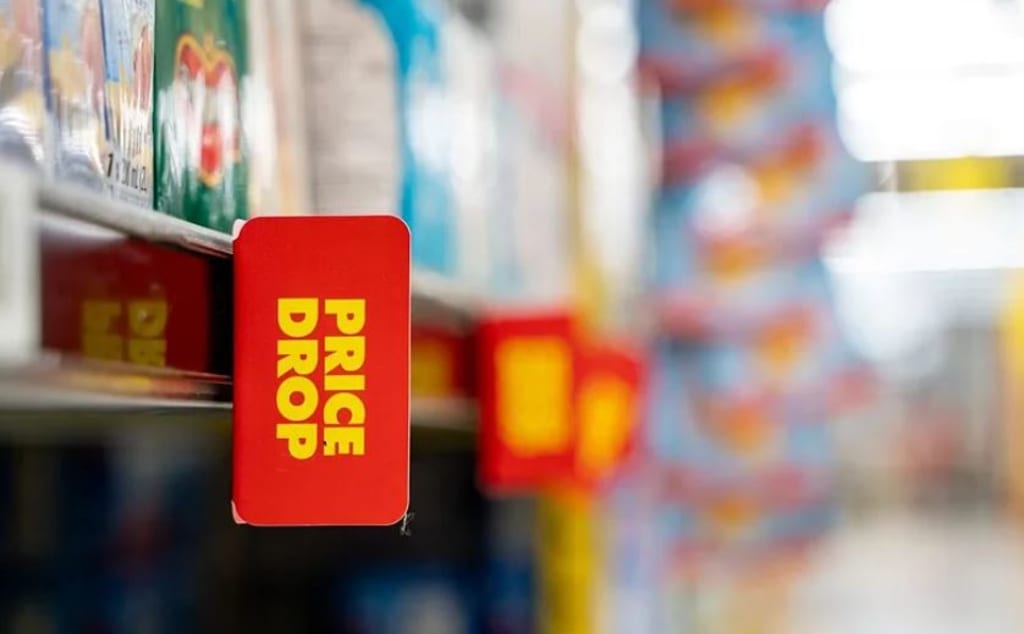
Shoppers are no longer simply looking for a bargain; they are building one. That is the defining shift emerging across consumer behaviour today, according to Nicole Collida, managing director of US Retail & Sales Agencies at NielsenIQ, who outlined the changing landscape at the Groceryshop conference on September 22. Under sustained financial pressure, households have moved beyond passive coupon-clipping to actively weaving together multiple strategies to stretch every dollar, and retailers that rely on old-fashioned promotions alone are finding their offers no longer resonate as they once did.
Collida describes this as a durable shift in how people curate value. Nearly four in ten consumers are switching to lower-priced brands, while just over a third are shopping more frequently at discount and value-focused retailers. Roughly a third are turning to private-label products, and an equal proportion are stocking up on preferred items only when they go on sale. What matters most is that these are not isolated choices; they are being combined into personalised approaches to spending, with promotion still important but no longer sufficient on its own. As Collida explains, offers must now deliver value exactly as the consumer defines it, rather than how the retailer has traditionally presented it.
These changing priorities are reshaping what people actually buy. Looking ahead to 2027, shoppers intend to spend more on fresh produce, roughly the same on fresh meat, and significantly less on prepared foods, a pattern that reflects both budget consciousness and a renewed focus on what matters most to the household. Crucially, consumers are not necessarily cutting spending across the board; they are concentrating it where they see genuine purpose and benefit. Every purchase decision is now guided by justification rather than habit, meaning products must earn their place in the basket through clear, personal relevance rather than familiar branding alone.
The most striking winner in this environment is the club retail channel membership-based formats built around bulk purchasing, consistent pricing, and broader value rather than frequent discounts. Club sales have grown 9% over the past year while traditional grocery has remained effectively flat, and remarkably, only 11% of that club growth is driven by promotions compared with more than 20% in other retail channels. This underscores Collida’s observation that club models offer the clearest proof of structural value in the industry: they succeed not because they are constantly advertising temporary price cuts, but because their core operating model, membership, bulk economics, planned stock-up trips, and consistent quality aligns directly with what today’s shopper is seeking. The number of visits per customer has risen at club and mass retailers even as it has fallen at conventional grocery and discount stores, a sign that shoppers are consolidating their spending where they feel most confident in the overall value proposition.
For traditional grocers, the message is clear: scale alone will no longer carry the day. Broad national reach is no longer enough to hold customers who are increasingly discerning and deliberate in their choices. Collida notes that scale can also mean something different: the ability to gather, understand, and act on data to serve specific needs and this is where smaller and regional retailers can thrive. Rather than attempting to out-discount or out-expand larger competitors, local operators should lean into their natural advantages: relationships with nearby suppliers, fresher and more distinctive assortments, and a genuine understanding of the community they serve.
Ultimately, the lesson for every brand and retailer is to define value before the customer even walks through the door. Temporary promotions rent attention, but real, meaningful value earns loyalty. Whether through consistent pricing, relevant product selection, or a clear alignment with what families actually need, success now belongs to those who understand that the deal is no longer handed to the shopper; it is being built by them, one thoughtful choice at a time.
About the Creator
Mark Lim
Hi I am mark an automotive student and a car, tech and food enthusiast ! Im gonna try and post daily & hope you enjoy what I write and do share my page with people you know. I would gladly appreciate it! Cheers
Enjoyed the story? Support the Creator.
Subscribe for free to receive all their stories in your feed.
Comments
There are no comments for this story
Be the first to respond and start the conversation.