
The Mind’s Limits
We often think of our judgments as infallible so long as they follow logic & reason, but is that really?
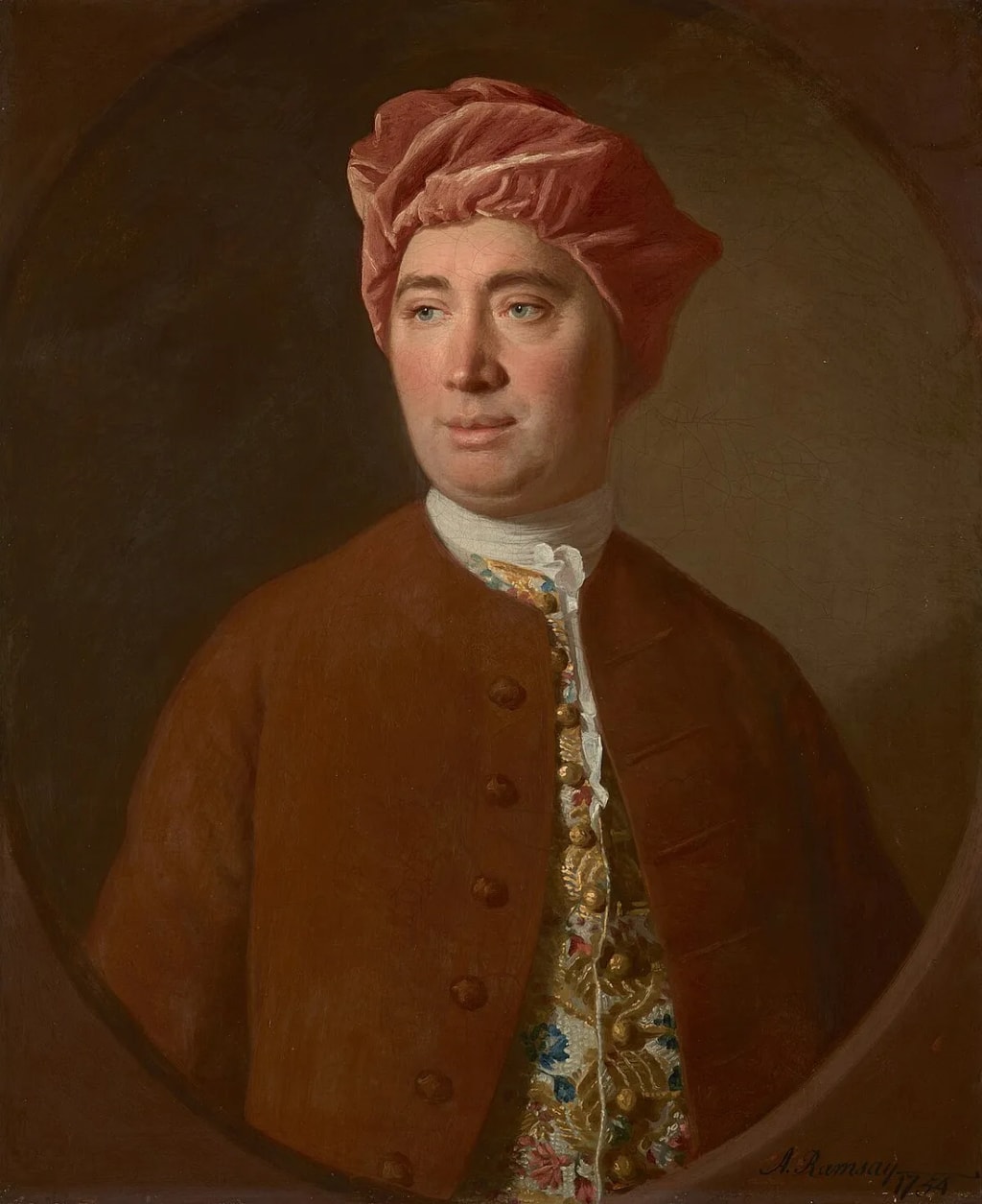
Now, it may seem like we, as individuals, would love to postulate the immediate connection of things, upon which all logical followings beget some sort of direct causation. However, I am here today to say that this is clearly false, for the problem of induction created by David Hume postulates that we, as people, only observe such patterns of cause and effects so long as repetition presents some validity. And that on top of this, when the desire for the codification of some systems presents itself, we shall consistently fail to do so on the account that we, as people, could never possibly take the world-in-itself for as it is, rather, restricted to phenomena as opposed to noumena.
As people, I find that we are promptly restricted to the fact that upon no grounds may the mind derive any provisions perjuring of its own perceptual biases, and, in all the beauty of the mind, that it yet only reflects a silver, or fraction, or limited, fractional, shapeless form of this world.
Out of all things, we cannot possibly adjudicate the falsehoods and truths of this world given this fundamental problem of induction. By our limits are the absolutes constrained to what only may be produced by our minds, but by the very fact, the world presents itself coherently enough to promptly apply these principles in part. However, I certainly believe that nothing that befalls the crooked timber of humanity may produce anything remotely close to some truth or perfection — for the truth or perfection be so elusive that they constitute the fundamental premises that encapsulate us and thus cannot be cogitated by any reductive methods such as logic or induction. By sense-experience, or sense-certainty, we may tap into some supposed limits of us, but our being, I digress, that we can truly encounter anything more than what our minds are capable of perceiving and producing.
Additionally, I find that what could possibly be generated by our minds must be founded upon the allocated limits of our natures- and that, despite the fact that we wish to generate some sort of perfection by virtue of our manifold intuition, none can be produced in exceeding of said limit, and even by looking into the purest of humanity, that all we see are our roots and nothing more, a foundation that we both base ourselves upon and are constrained by, something which we start from and shall eventually return to. Our cognition is a sort of ouroboros, self-resolving and indeed quite enigmatic, and I pay no regard to the fact that we, as people, could possibly posit anything more than our fundamental notions, perceptions, and dogma.
However, there is one hope that may be used to indulge ourselves further than our limits — and that is indeed our propensity to produce quite magnanimous representations of what we see into something quite coherent and consistent with the interacting and interactive laws of the universe or reality itself. This I posit means that, whilst we are only able to see our limits in theory, and that any movement made in furtherance of something as fundamental or extreme or indeed as radical as that should be prevented, that as people, upon the abyss that we were born in by virtue of our blindness, out of that, may we birth a proper and prompt image of some construction and constitution that may grant a reprieve by virtue of our knowledge in order to properly consign this to our conscience.
About the Creator
Enjoyed the story? Support the Creator.
Subscribe for free to receive all their stories in your feed.
Comments
There are no comments for this story
Be the first to respond and start the conversation.