
The Letter and the Longing: Rebuilding Global Order from Community Upward
As nuclear anxieties resurface and great powers abandon rules for raw force, a surprising global consensus is emerging not for nationalism, but for cooperation rooted in local trust and led by middle powers willing to steward legitimacy over coercion.

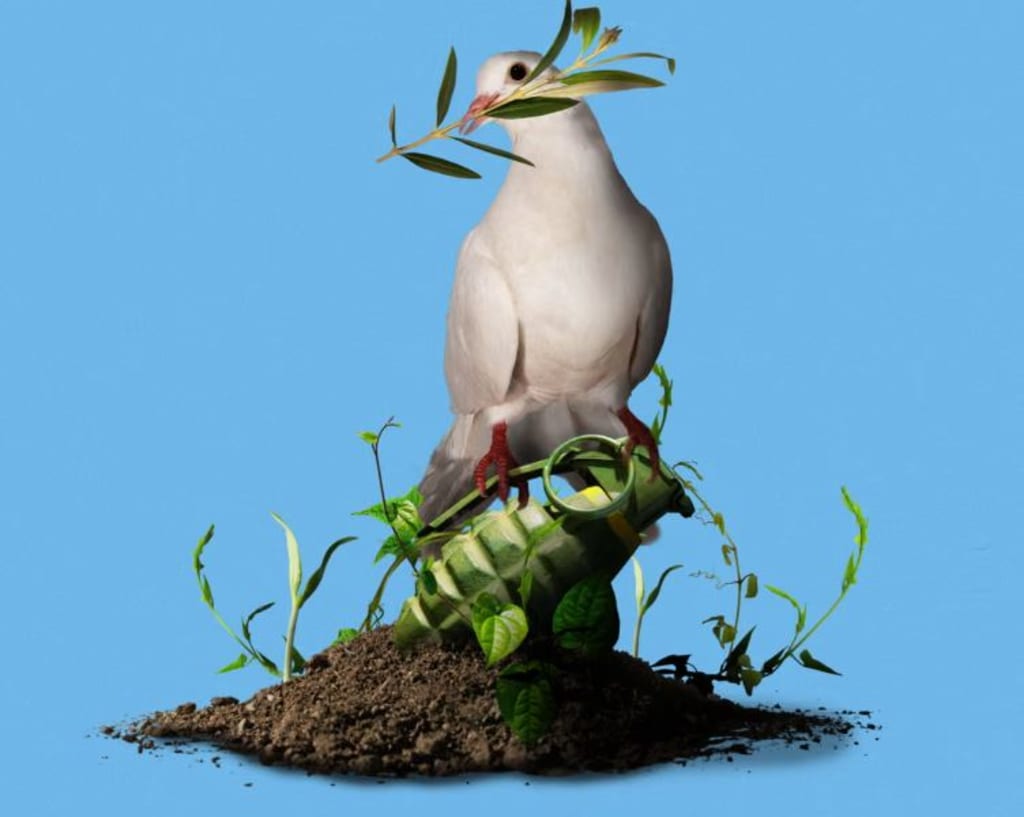
Britain’s new prime minister, Andy Burnham, now faces the gravest duty any leader can bear: signing the “letter of last resort,” a sealed directive to military commanders outlining whether and how to retaliate in the event of a nuclear strike. This solemn ritual, unchanged since the Cold War, arrives at a moment when the Doomsday Clock ticks closer to midnight than at any time since the Cuban Missile Crisis. Across Europe and beyond, publics sense the fraying of the post-war order. Russia openly scorns international law; China declares Taiwan’s reunification inevitable; and Donald Trump has threatened genocide against Iranians and even allies like Oman, revealing contempt for human rights, multilateralism, and the rule of law itself. In this descent from rules to brute force, where might makes right and nuclear proliferation looms in Japan, South Korea, Saudi Arabia, and beyond, despair seems justified. Yet beneath the dread lies an unexpected current of hope, revealed not in elite diplomacy, but in the quiet convictions of ordinary people worldwide.
A landmark survey of over 36,000 respondents across 34 countries, conducted for Gordon Brown’s new book The Future Starts With Us, uncovers a profound rejection of zero-sum nationalism. When asked whether they would support international cooperation even if it required compromising national interest, 55% said yes only 20% refused. Clear majorities on every continent oppose the “my country first” dogmas that frame geopolitics as an endless struggle. More than 70% demand that their governments uphold human rights, address climate change, regulate AI and cyber threats, and fund humanitarian aid. An even larger share, 80%, believe the world needs a system ensuring policies that promote peace, stability, and universal dignity through action against poverty, disease, hunger, and illiteracy. This is not naive idealism; it is a pragmatic yearning for order in chaos, voiced most strongly by those active in their own communities and connected across ethnic or religious lines. Crucially, these locally engaged citizens are 50% more likely to support cross-border sacrifice. The implication is clear: rebuilding global cooperation begins not in summit halls, but in neighborhood associations, faith groups, and civic networks that foster trust across difference.
Yet consensus alone cannot restructure power. As the world shifts from U.S. unipolarity to multipolar competition, the question becomes: who can convene? The traditional nuclear triad U.S., China, Russia is more distrusted than ever. Instead, global publics look to Canada, Australia, Italy, Japan, the UK, France, Brazil, and South Korea as potential unifiers. These nations also happen to be those whose citizens are most eager to lead cooperatively i alignment championed by figures like Canadian Prime Minister Mark Carney and Finnish President Alexander Stubb. They lack the coercive tools of superpowers: no weaponized dollar, no trade bans, no military threats. But they possess something rarer: legitimacy. While Washington and Beijing dominate through compulsion, middle powers can anchor cooperation in the moral authority of international law and humanitarian norms. Already, alternatives are forming: the EU and Asian-led CPTPP may soon create history’s largest trade bloc; new mechanisms are emerging to arbitrate disputes and prosecute crimes against humanity. Stalin once mocked the Pope’s lack of battalions—but today, legitimacy may matter more than divisions.
Institutional leverage remains substantial. Non-superpower nations control 75% of IMF and World Bank votes, hold overwhelming majorities at the WTO and WHO, and occupy 12 of 15 UN Security Council seats including two vetoes. There is no structural barrier to reforming these bodies to deliver on climate, aid, peacemaking, and poverty eradication. The appointment of a new UN secretary-general next year offers a pivotal window: like-minded states should agree with her or him on a concrete 2027 action program. Even the American public prefers persuasion over coercion, and can be convinced that unilateralism is obsolete in a multipolar age. For now, progress hinges on coordinated leadership from the UK and other cooperation-minded powers. The global message is unequivocal: citizens still believe in a better world, and a troubled planet looks to them to build it.
This task intersects with another urgent struggle: resisting what Astra Taylor and others term “end times fascism.” Billionaire tech barons, ethno-nationalists, and religious fundamentalists are actively investing in catastrophe, convinced they’ll survive Armageddon while dehumanized others perish. Their apocalyptic narrative fuels division and despair. But resistance is already underway in movements defending democracy, equality, and ecological life. The antidote to end-times thinking is not optimism, but agency: building stories of better times through tangible acts of solidarity, both local and global. As Brown reminds us, the future doesn’t arrive; it starts with us. In signing letters of last resort and nurturing first principles of cooperation, leaders and citizens alike must choose which story to enact. The world is watching and hoping that we choose wisely.
About the Creator
Mark Lim
Hi I am mark an automotive student and a car, tech and food enthusiast ! Im gonna try and post daily & hope you enjoy what I write and do share my page with people you know. I would gladly appreciate it! Cheers
Enjoyed the story? Support the Creator.
Subscribe for free to receive all their stories in your feed.
Comments
There are no comments for this story
Be the first to respond and start the conversation.