
The Invisible Shield Saving Global Food Supply
Why the Antifog Additives Boom Is Quietly Reshaping Modern Food Packaging?
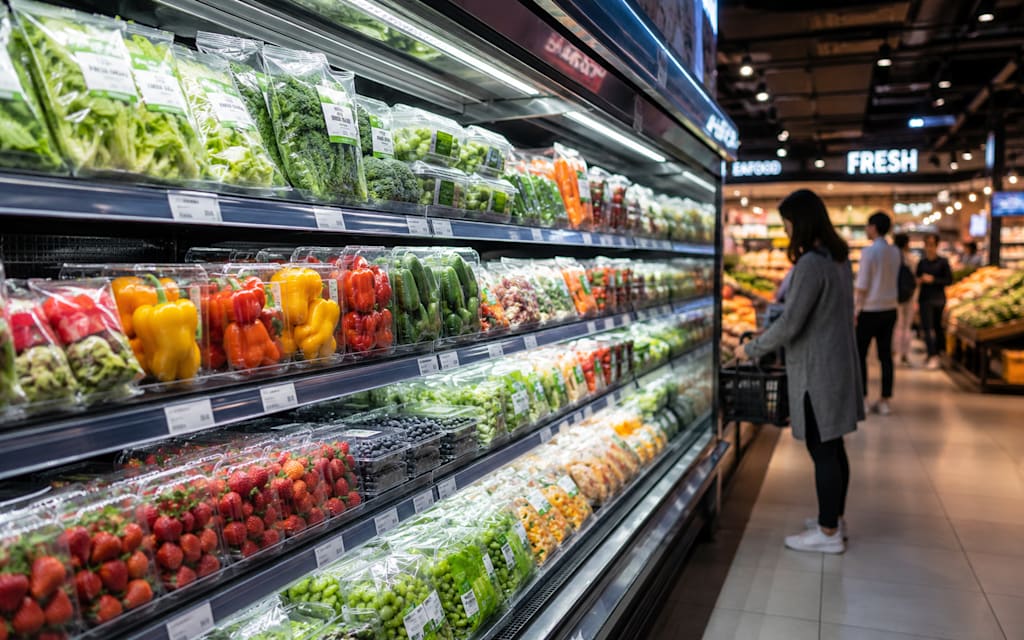
The grocery aisle looks simple on the surface. Bright lights. Fresh produce. Perfectly sealed salad packs stacked in refrigerated rows. But hidden inside that everyday shopping experience is a quiet technological battle happening across the global food industry.
It starts with something surprisingly small: condensation.
A thin layer of moisture forming inside food packaging can instantly change how consumers feel about freshness. Fogged plastic containers make products appear older, less hygienic, or improperly stored — even when the food itself remains perfectly safe. For supermarkets and food brands competing for attention in crowded refrigerated shelves, appearance has become almost as important as preservation.
That single issue is now driving rapid growth in the global antifog additives market.
According to Mordor Intelligence, the market continues expanding steadily at 5.06% CAGR, due to rising demand for packaged foods, refrigerated transportation, and modern food preservation systems. The increasing use of transparent plastic films in fresh produce, dairy, frozen foods, and ready-to-eat meals is pushing manufacturers toward advanced antifog technologies. The report also highlights strong momentum in food packaging applications, which continue to hold a significant share of the overall market.
The science behind it is surprisingly elegant.
Why Food Packaging Fogs Up
When warm food or moisture meets a colder packaging surface, water droplets form inside the container. Instead of spreading evenly across the plastic film, the moisture condenses into tiny droplets that scatter light and create fogging.
For consumers, the visual effect feels immediate and emotional.
A fogged berry container can appear spoiled. A mist-covered salad box may look old before it even reaches its expiration date. In competitive retail environments where shoppers make split-second buying decisions, visibility matters enormously.
Antifog additives solve this problem by changing the surface properties of plastic packaging. Instead of allowing water to collect into droplets, the additives help moisture spread into a transparent, invisible layer across the film surface.
The result is simple but powerful: crystal-clear packaging that allows shoppers to see food exactly as intended.
The Refrigeration Boom Changed Everything
The rise of refrigerated logistics has transformed the importance of antifog technology.
A decade ago, many consumers still purchased unpackaged produce from local markets. Today, urban lifestyles, e-commerce grocery delivery, and convenience-driven shopping habits have accelerated demand for pre-packed fresh foods.
From salad mixes and cut fruits to frozen meals and dairy products, refrigeration dominates modern retail food systems. But colder temperatures naturally increase condensation risks inside sealed packaging.
That’s why antifog additives are becoming essential across multiple industries:
- Fresh produce packaging
- Dairy containers
- Frozen food films
- Meat and seafood packaging
- Bakery products
- Ready-to-eat meals
As global cold-chain infrastructure expands, the need for visibility-focused packaging continues growing alongside it.
Supermarkets Are Quietly Driving Innovation
Consumers often assume food packaging innovation starts inside laboratories. In reality, supermarkets are one of the biggest forces shaping the industry.
Retailers know shoppers respond visually first. Packaging clarity influences freshness perception long before someone checks ingredients or pricing. Fogged packaging reduces shelf appeal, which directly affects sales performance.
That pressure flows backward through the supply chain:
- Retailers demand clearer packaging
- Food brands invest in advanced films
- Packaging manufacturers adopt antifog technologies
- Chemical producers expand additive development
The result is a fast-growing ecosystem built around preserving product visibility.
According to Mordor Intelligence, increasing packaged food consumption and expanding modern retail infrastructure remain major growth drivers supporting the global Antifog additives market size. The growing preference for convenience foods and longer shelf-life products is also accelerating adoption worldwide.
Sustainability Is Becoming the Next Big Challenge
The industry’s next transformation may not come from transparency alone — but from sustainable packaging materials.
Governments and consumers are increasingly demanding recyclable and eco-friendly plastic alternatives. Packaging manufacturers now face a difficult balancing act:
- Maintain crystal-clear visibility
- Reduce environmental impact
- Preserve food shelf life
- Keep costs manageable
This is pushing research toward biodegradable films and recyclable packaging systems compatible with antifog technologies.
Manufacturers are experimenting with:
- Bio-based polymers
- Compostable packaging films
- Recyclable multilayer plastics
- Sustainable moisture-control coatings
The challenge is enormous because sustainable materials often behave differently under refrigerated conditions. Maintaining antifog performance while reducing environmental impact has become one of the industry’s biggest priorities.
Asia-Pacific Is Emerging as a Growth Engine
Much of the future expansion is expected to come from Asia-Pacific markets.
Urbanization, rising disposable incomes, supermarket expansion, and rapid growth in packaged food consumption are transforming retail systems across the region. Countries with expanding cold-storage networks and growing online grocery adoption are seeing increasing demand for advanced food packaging technologies.
Asia-Pacific continues gaining momentum within the Antifog additives market share landscape due to large-scale food packaging demand and industrial manufacturing growth.
As food supply chains become more globalized, packaging performance standards are rising everywhere — from local supermarkets to international export markets.
The Invisible Technology Consumers Depend On
Most shoppers will never notice antifog additives directly. They won’t appear on labels in bold lettering. They won’t dominate advertising campaigns. Yet these invisible technologies increasingly shape how food is displayed, transported, and trusted.
In many ways, antifog additives represent the future of modern packaging itself: subtle innovations quietly improving everyday life without consumers ever realizing the science behind them.
And as refrigerated food systems continue expanding worldwide, that invisible shield protecting clarity may become one of the most important technologies in the global food industry.
The next time a shopper reaches for a perfectly clear salad container inside a refrigerated aisle, they probably won’t think about condensation physics, packaging chemistry, or industrial innovation.
But the industry behind that transparent surface certainly will.
What matters more to you when buying packaged food — appearance or expiration date?
About the Creator
efingutthomas
My expertise is custom research across industries such as aerospace & defense, agriculture, animal wellness, automation, automotive, chemicals, consumer goods, electronics, energy, finance, food & beverages, healthcare, hospitality and ICT
Enjoyed the story? Support the Creator.
Subscribe for free to receive all their stories in your feed.
Comments
There are no comments for this story
Be the first to respond and start the conversation.