
The Invisible Material Powering Modern Life
How the Epoxy Resin Market Shapes Everything From Wind Turbines to Smartphones
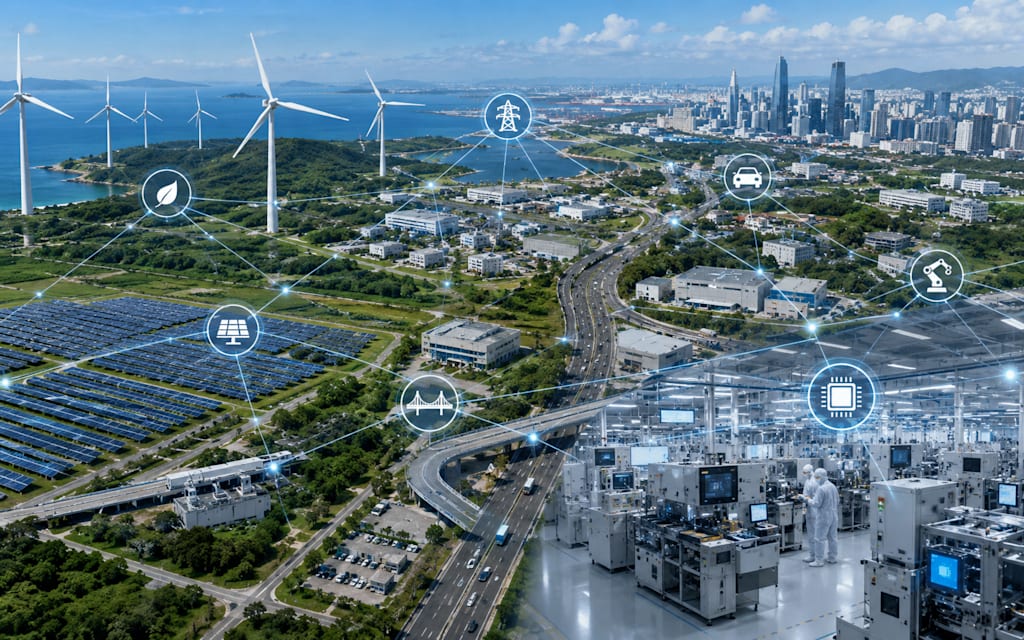
Most people never think about the materials hidden inside the products they use every day. We admire sleek smartphones, drive across massive bridges, and celebrate the growth of renewable energy without wondering what holds these innovations together.
Yet behind many of these technologies lies a material that quietly keeps modern life running: epoxy resin.
From the protective coating on industrial equipment to the electronic components inside computers and smartphones, epoxy resin has become an essential part of the global economy. While it rarely makes headlines, its impact can be found almost everywhere. As industries continue investing in infrastructure, renewable energy, and advanced electronics, the importance of epoxy resin is becoming impossible to ignore.
The Material Hidden in Plain Sight
Imagine standing beneath a giant wind turbine. Its blades stretch across the sky, capturing energy from the wind and converting it into electricity for thousands of homes. What many people don't realize is that epoxy resin plays a crucial role in helping those blades remain lightweight, durable, and resistant to extreme weather conditions.
Now think about your smartphone. Inside its compact frame are delicate electronic components that generate heat and require protection from moisture, vibration, and wear. Epoxy-based materials help provide insulation and structural integrity, allowing devices to function reliably day after day.
Even the roads, bridges, and buildings around us often benefit from epoxy resin-based coatings and adhesives designed to enhance durability and extend service life. In many ways, epoxy resin is one of the invisible foundations of modern civilization.
Why Industries Depend on Epoxy Resin
The popularity of epoxy resin comes down to a few important characteristics.
First, it offers exceptional strength. Once cured, epoxy forms a highly durable material capable of withstanding significant stress and environmental exposure. Second, it provides excellent resistance to chemicals, moisture, and corrosion. This makes it valuable in industries where equipment must survive harsh operating conditions.
Third, epoxy resin bonds effectively to a wide range of surfaces, including metals, plastics, and composites. Manufacturers appreciate this versatility because it allows the material to be used across numerous applications.
- Construction and infrastructure
- Electronics and semiconductors
- Renewable energy
- Transportation
- Industrial manufacturing
- Protective coatings and paints
As technology advances, demand for high-performance materials continues to rise, creating new opportunities across the global market.
Understanding the Growth of the Epoxy Resin Market
The growing importance of advanced manufacturing, clean energy, and infrastructure investment is helping drive expansion within the industry.
According to Mordor Intelligence, the is global epoxy resin market expected to grow from 3.36 million tons in 2026 to 3.99 million tons by 2031, registering a CAGR of 3.53% during the forecast period.
These numbers reflect more than simple industrial growth. They represent increasing global demand for materials capable of supporting the next generation of technologies.
As countries invest in renewable energy projects, smart infrastructure, electric mobility, and advanced electronics, epoxy resin continues to find new applications that strengthen its long-term outlook.
The Renewable Energy Connection
One of the most exciting growth areas for epoxy resin is renewable energy.
Wind turbine manufacturers rely heavily on advanced composite materials that incorporate epoxy resin. Large turbine blades must be strong enough to withstand years of exposure to wind, rain, and temperature fluctuations while remaining lightweight enough to maximize efficiency.
Without materials like epoxy resin, scaling renewable energy infrastructure would become significantly more challenging.
As governments and businesses pursue carbon reduction goals, demand for wind energy installations continues to expand, creating additional opportunities for the epoxy resin market size to grow over time.
This connection between materials science and sustainability often goes unnoticed, yet it plays a critical role in the global energy transition.
Electronics Are Fueling New Demand
The world is becoming increasingly digital.
Artificial intelligence, cloud computing, smart devices, data centers, and advanced semiconductor manufacturing are transforming industries and everyday life. Each of these developments requires reliable electronic systems capable of operating under demanding conditions.
Epoxy resin helps protect sensitive components while contributing to performance and durability.
As demand for computing power increases, manufacturers continue seeking materials that can support higher levels of efficiency and reliability. This trend is expected to remain an important driver for the industry in the years ahead.
A Market Built on Everyday Necessities
Perhaps the most fascinating aspect of epoxy resin is how deeply integrated it has become in daily life.
People may never purchase epoxy resin directly, yet they benefit from it constantly. It helps protect buildings from corrosion, improves transportation infrastructure, supports renewable energy systems, and enables countless electronic devices.
Because its applications span multiple industries, the epoxy resin market share remains closely tied to long-term economic development rather than short-lived consumer trends.
This broad industrial relevance contributes to its resilience and continued importance across global markets.
Looking Ahead
The future of modern infrastructure, renewable energy, and advanced technology will depend heavily on materials capable of meeting increasingly complex demands. Epoxy resin is positioned to remain one of those essential materials.
While consumers may never see it, touch it, or think about it, its presence will continue shaping the products, buildings, and technologies that define everyday life.
The next time you use your smartphone, cross a bridge, or spot a wind turbine on the horizon, consider the hidden material helping make it all possible. What other everyday technologies do you think rely on materials most people never notice?
About the Creator
efingutthomas
My expertise is custom research across industries such as aerospace & defense, agriculture, animal wellness, automation, automotive, chemicals, consumer goods, electronics, energy, finance, food & beverages, healthcare, hospitality and ICT
Enjoyed the story? Support the Creator.
Subscribe for free to receive all their stories in your feed.
Comments
There are no comments for this story
Be the first to respond and start the conversation.