
The Importance Of Professional Monument Installation In Canadian Cemeteries
Monument Installation In Canadian Cemeteries
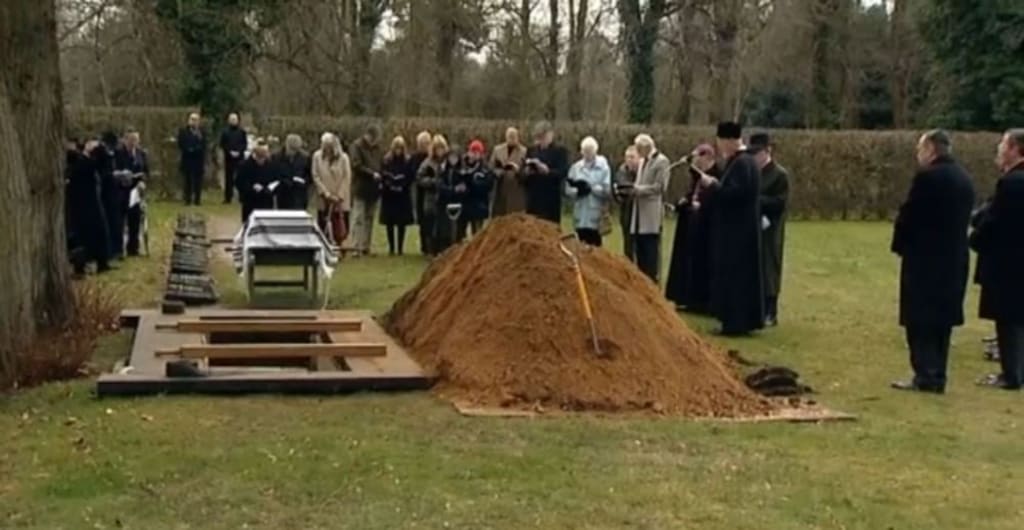
Creating a lasting tribute is one of the most meaningful ways to honour a loved one after they pass. A monument is more than just a marker for a final resting place—it tells a story, preserves memories, and offers comfort to family and friends for generations. However, even the most thoughtfully designed monument can lose its impact if not installed with care and precision.
Proper installation is crucial to ensure the structure remains stable, safe, and true to its purpose over time. Professional monument installation provides peace of mind, knowing your tribute will stand strong for years to come.
What Is Monument Installation?
Monument installation is the process of securely and precisely placing a memorial—like an upright monument, flat marker, pillow monument, or custom piece—at a cemetery or memorial park. It’s not as simple as setting a stone in the ground. It involves:
Preparing the foundation or sub-base
Aligning the monument to exact specifications
Ensuring stability and resistance to weather
Complying with cemetery-specific rules and regulations
In short, it’s a highly skilled process that protects your investment and the legacy it represents.
Why You Shouldn’t Leave It To Just Anyone
Choosing professional monument installation isn’t just about convenience—it’s about peace of mind. Here’s why families across Canada trust skilled monument installers:
1. Cemetery Regulation Compliance
Every cemetery in Canada comes with its own set of rules—some limit the height of upright monuments, and others require a specific sub-base or anchoring method. A professional installation team is already familiar with these variables and ensures your monument is fully compliant.
This helps avoid setbacks, such as denied approvals or unexpected modification fees. It's a smoother experience for grieving families who don’t want more stress during an already difficult time.
2. Proper Foundation & Levelling
Poorly installed monuments can tilt, sink, or shift over time, especially in regions with freeze-thaw cycles. A professional monument company prepares the ground, levels the base, and ensures the monument is positioned to maximize long-term stability.
Monuments are not light. Some granite upright markers weigh several hundred pounds. Without proper equipment and expertise, damage is likely—and that can mean costly repairs down the road.
3. Enhanced Safety For All
Safety isn’t often top of mind when it comes to memorials, but it should be. Improperly installed monuments may loosen or fall over, posing serious risks to cemetery visitors and staff. Professional installers use anchoring systems that keep the monument secure and upright for decades.
This is particularly important in public spaces or high-traffic areas, where foot traffic, lawn maintenance, and weather all add wear over time.
4. Visual Alignment & Aesthetic Appeal
There’s a certain visual harmony that professionally installed monuments bring. From perfectly straight rows of flat markers to elegantly aligned pillow monuments and upright headstones—aesthetic balance matters in a cemetery setting.
A crooked or off-centre monument not only looks unpolished but can detract from the peaceful atmosphere meant to comfort visitors.
Which Monument Styles Require Professional Installation?
While virtually every memorial benefits from professional handling, here are some monument types that absolutely require expert installation:
Upright Monuments – Due to their height, weight, and design complexity
Pillow Monuments – Though shorter than upright stones, they need levelling and secure placement
Flat Markers – Must be flush with the ground and precisely aligned
Custom Cemetery Monuments – Each unique design comes with its own installation needs
Memorial Benches & Boulders – Often installed in parks or special cemetery areas
Columbaria – These larger structures require a solid foundation and specialized support
Each style has its own requirements based on dimensions, materials, and cemetery layout. That’s why hiring experienced professionals is so crucial.
The Installation Process: Step By Step
Want to know what to expect? Here’s a simplified overview of the professional installation process:
1. Site Assessment
The team visits the cemetery to understand the terrain, spacing, and regulations. Measurements and photos are taken to plan placement and levelling.
2. Foundation Preparation
This might involve digging, compacting the soil, or pouring concrete if needed. A sub-base or footing is often added to prevent shifting.
3. Monument Delivery & Placement
The monument is safely delivered to the site. Using lifting equipment, it’s carefully positioned and aligned.
4. Anchoring & Final Touches
Once positioned, the monument is anchored securely. Any finishing touches—like sealing joints or cleaning—are done on-site.
5. Final Inspection
The team confirms everything is level, secure, and aligned. A final walkthrough ensures client satisfaction and full cemetery compliance.
How Much Does Monument Installation Cost?
The cost of monument installation can vary based on:
Monument size and weight
Location and cemetery regulations
Site conditions (e.g., ground stability, accessibility)
Whether a concrete base or special anchoring is required
To get accurate pricing, it’s best to contact the provider directly for a quote. This ensures clarity and takes into account your specific cemetery’s requirements.
A Final Thought On Honouring Legacy
When you’re honouring a loved one’s memory, every detail matters. From the monument design to the words engraved to the placement in the ground—these choices carry emotional and symbolic weight.
By choosing professional monument installation, you’re investing not only in durability but in dignity. You’re ensuring the memorial stands strong, both visually and structurally, for years to come.
About the Creator
Enjoyed the story? Support the Creator.
Subscribe for free to receive all their stories in your feed.
Comments
There are no comments for this story
Be the first to respond and start the conversation.