
The Importance of Mental Health in Everyday Life
Learn why mental health is important and how to improve your emotional well-being. Simple tips to manage stress, stay positive, and live a healthier life.

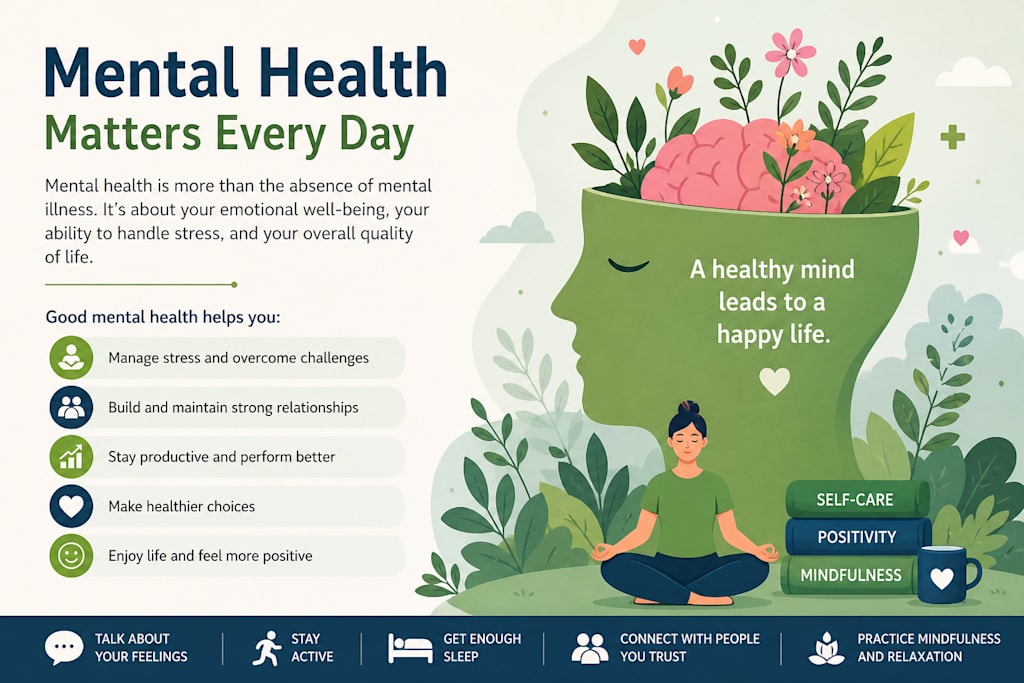
Mental health is no longer a topic that can be ignored or pushed aside. In today’s fast-paced and demanding world, mental well-being plays a crucial role in how we think, feel, and act. It affects our ability to handle stress, build relationships, and make decisions. Yet, despite its importance, mental health is often overlooked compared to physical health.
According to the World Health Organization, mental health is a state of well-being that enables individuals to cope with life’s challenges, work productively, and contribute to their community. This definition highlights that mental health is not just about the absence of mental illness—it is about living a balanced, fulfilling life.
Understanding Mental Health
Mental health includes emotional, psychological, and social well-being. It determines how we handle stress, relate to others, and make everyday choices. From childhood to adulthood, mental health influences every stage of life.
In India, mental health challenges are becoming increasingly significant. Reports suggest that mental health conditions contribute heavily to disability and economic loss, emphasizing the need for awareness and proper care.
Mental health is shaped by several factors, including:
- Biological factors such as genetics and brain chemistry
- Life experiences like trauma or stress
- Social and environmental influences including relationships, work pressure, and financial stability
These factors can either strengthen mental resilience or increase vulnerability to mental health issues.
Why Mental Health Matters
1. Improves Overall Well-being
Mental Health is the foundation of a happy and balanced life. When your mind is healthy, you experience better emotional stability, confidence, and clarity. It allows you to enjoy life and maintain a positive outlook even during difficult times.
2. Enhances Physical Health
There is a strong connection between mental and physical health. Poor mental health can lead to conditions like fatigue, weakened immunity, and chronic diseases. On the other hand, good mental health encourages healthy habits such as regular exercise, proper sleep, and balanced nutrition.
3. Boosts Productivity and Performance
Whether at work or school, mental well-being directly impacts productivity. A focused and stress-free mind performs better, makes smarter decisions, and handles challenges efficiently.
Globally, mental health conditions are responsible for a significant loss in productivity, costing economies billions each year.
4. Strengthens Relationships
Healthy mental well-being helps individuals communicate effectively, build trust, and maintain strong relationships. It improves empathy and emotional understanding, which are essential for meaningful connections.
5. Helps in Coping with Stress
Life is full of uncertainties, and stress is unavoidable. Good mental health equips individuals with the ability to manage stress effectively and bounce back from setbacks. This resilience is key to long-term success and happiness.
The Growing Mental Health Crisis
Mental health issues are more common than many people realize. Globally, nearly 970 million people were living with mental disorders such as anxiety and depression.
Additionally, mental disorders account for 1 in 6 years lived with disability worldwide, making them one of the leading causes of health-related challenges.
In India, the situation is equally concerning, with rising stress levels, urbanization, and lifestyle changes contributing to increased mental health problems.
Despite this, a large number of people do not seek help due to stigma, lack of awareness, or limited access to mental health services.
Breaking the Stigma Around Mental Health
One of the biggest barriers to mental health care is stigma. Many people hesitate to talk about their struggles because of fear of judgment or misunderstanding.
Mental health should be treated just like physical health. If someone has a fever, they visit a doctor without hesitation. The same approach should be applied to mental well-being.
Creating awareness, encouraging open conversations, and educating communities are essential steps toward breaking this stigma. When people feel safe discussing their mental health, they are more likely to seek help and support.
Practical Ways to Improve Mental Health
Maintaining good mental health does not always require drastic changes. Small, consistent habits can make a big difference.
1. Practice Self-Care
Take time for yourself daily. Activities like reading, listening to music, or spending time in nature can help relax your mind.
2. Stay Physically Active
Exercise releases endorphins, which improve mood and reduce stress. Even a 20-minute walk can have a positive impact.
3. Maintain Healthy Relationships
Surround yourself with supportive and positive people. Talking to someone you trust can reduce emotional burden.
4. Manage Stress Effectively
Techniques like meditation, deep breathing, and mindfulness can help control stress and improve focus.
5. Seek Professional Help
If you feel overwhelmed, do not hesitate to consult a mental health professional. Early intervention can prevent serious complications.
The Role of Society and Government
Mental health is not just an individual responsibility—it is a collective one. Governments, organizations, and communities must work together to create supportive environments.
In India, initiatives like the National Mental Health Programme and mental health policies aim to improve access to care and promote awareness.
However, more efforts are needed to ensure that mental health services are accessible, affordable, and stigma-free.
Conclusion
Mental health is a vital part of overall well-being that deserves equal attention as physical health. It influences every aspect of life—from relationships and productivity to emotional stability and happiness.
Ignoring mental health can lead to serious consequences, but prioritizing it can transform lives. By raising awareness, breaking stigma, and adopting healthy habits, we can build a society where mental well-being is valued and supported.
Taking care of your mind is not a luxury—it is a necessity. When mental health is strong, everything else in life becomes more manageable and meaningful.
About the Creator
Donna Steven
Hi, I’m Donna Steven. I write for 'Ant and Bees' where I share simple and practical tips related to fitness, weight loss, and a healthy lifestyle. My goal is to help people build habits and achieve real results naturally.
Enjoyed the story? Support the Creator.
Subscribe for free to receive all their stories in your feed.
Comments
There are no comments for this story
Be the first to respond and start the conversation.