
The Impact of High Voltage on Wire Insulation
The quality and durability of wire insulation can mean the difference between smooth operation and catastrophic failure.

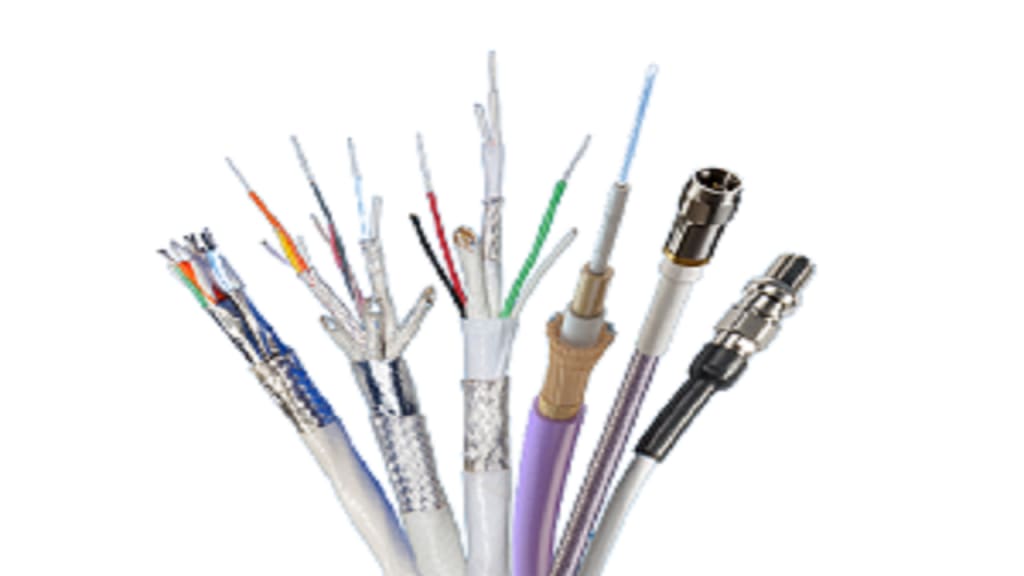
High voltage can have extensive impacts on wire insulation, demanding a comprehensive understanding of the interactions in between voltage degrees and insulation materials. Engineers and technicians have to carefully think about the choice of insulation materials, style arrangements, and functional conditions to minimize the obstacles postured by high voltage and guarantee the ideal efficiency of electrical systems.
In the complex globe of electrical systems, one essential facet that demands attention is the impact of high voltage on wire insulation. As we look into this subject, it emerges that the effects are far-reaching and can substantially impact the performance and safety and security of electrical systems.
This blog will explore the intricacies of exactly how high voltage influences wire insulation and its more comprehensive implications.
The Basics of Wire Insulation
Prior to delving into the influence of high voltage, it's necessary to realize the fundamentals of cable insulation. Insulation serves as a safety obstacle bordering electric conductors, avoiding unintentional get in touch with and guaranteeing the circulation of current occurs within the desired path. Usual insulation materials include PVC, rubber, and thermoplastics, each chosen based on details application demands.
The Working Mechanism of High Voltage Cables
High voltage cables are indispensable parts of electrical systems created to manage significant electric potential. These wires, commonly utilized in power transmission and distribution, play a crucial function in promoting the reliable transfer of electrical energy over cross countries. Understanding the interaction in between high voltage and wire insulation is essential for keeping the stability of these systems.
The detailed partnership in between high voltage and wire insulation in cable televisions utilized for power transmission and circulation demands a holistic understanding of electrical, thermal, and mechanical factors.
Engineers utilize a combination of sophisticated insulation materials, cautious style factors to consider, and ongoing tracking to reduce the challenges presented by high voltage, therefore ensuring the reputable and secure procedure of electrical systems over extended distances. Engineers often premium quality PTFE sleeves or coatings in high-voltage cables to enhance their insulation capabilities.
Effect of High Voltage on Wire Insulation:
1. Dielectric Breakdown
One of the primary worries when managing high voltage and wire insulation is the risk of dielectric break down. This sensation happens when the protecting material can no more withstand the used electric field, leading to an abrupt and tragic rise in conductivity. The repercussions can range from small interruptions to total system failure.
2. Thermal Stress and anxiety
High voltage naturally generates warmth, and this thermal tension can negatively impact cable insulation. Long term exposure to elevated temperatures can create insulation products to break down, endangering their insulating residential or commercial properties. This destruction may result in raised resistance, reduced effectiveness, and a general decrease in the life-span of the cable.
3. Partial Discharge
Partial discharge is a local breakdown of insulation that takes place at factors with high electric tension. In the context of high voltage wires and cables, this sensation can gradually wear down the insulating product, leading to progressive degradation.
Tracking and mitigating partial discharge are vital to making certain the long-lasting dependability of wires in high voltage atmospheres.
4. Product Deterioration:
High voltage can increase the aging process of insulation products. Direct exposure to electric stress and anxiety, integrated with thermal results, can cause chemical and physical changes in the insulation.
These modifications might include the malfunction of molecular frameworks, loss of adaptability, and a decrease in the product's total performance. Choosing the ideal insulation material based on the certain application and environmental problems is vital to minimizing product degradation.
Safeguarding Against the Effects
Understanding the prospective obstacles postured by high voltage on wire insulation triggers the need for effective safety nets. Designers and operators can carry out several techniques to protect against these effects and boost the overall resilience of electrical systems.
By adopting a detailed method that includes material choice, design considerations, monitoring, environmental protection, temperature level control, and adherence to safety and security criteria, designers and operators can efficiently guard versus the challenges postured by high voltage on wire insulation.
1. Correct Material Option
Choosing the ideal insulation material based on the particular needs of the application is vital. Various products show varying levels of resistance to high voltage and thermal anxiety. Performing a comprehensive analysis of ecological elements and voltage levels is crucial for making notified decisions.
2. Routine Maintenance and Tracking
Executing a proactive maintenance and monitoring program can discover very early indications of insulation destruction. Routine inspections, thermal imaging, and analysis examinations can help recognize prospective issues prior to the escalate, allowing timely interventions to avoid system failings.
3. Voltage Law
Executing voltage regulation mechanisms can aid manage and support the electric capacity within appropriate restrictions. This approach decreases the danger of dielectric malfunction and makes sure that the insulation is not subjected to extreme stress.
Conclusion
The effect of high voltage on wire insulation is a diverse obstacle that requires an extensive understanding of electrical systems and products. As the demand for efficient power transmission continues to climb, dealing with these difficulties ends up being increasingly important. By adopting aggressive methods and staying abreast of technological improvements, the sector can browse the complexities of high voltage settings while making sure the durability and integrity of electrical systems.
The consistent quest of innovation and finest practices will definitely play a pivotal role in fulfilling the advancing requirements of high voltage applications and maintaining the effectiveness of our electric infrastructure. The design of coaxial cables assemblies, with a central conductor surrounded by insulating layers and a metallic shield.
About the Creator
FLU-TEF WIRES & CABLES PVT. LTD.
FLU-TEF WIRES & CABLES PVT. LTD. is a leading manufacturer of high voltage wires and high temperature wires in Ahmedabad, India. We provide a wide range of high voltage wires and high temperature wires at the best price.
Enjoyed the story? Support the Creator.
Subscribe for free to receive all their stories in your feed.
Comments