
The Impact of AI in Human Life
Revolutionizing the Way We Live with AI
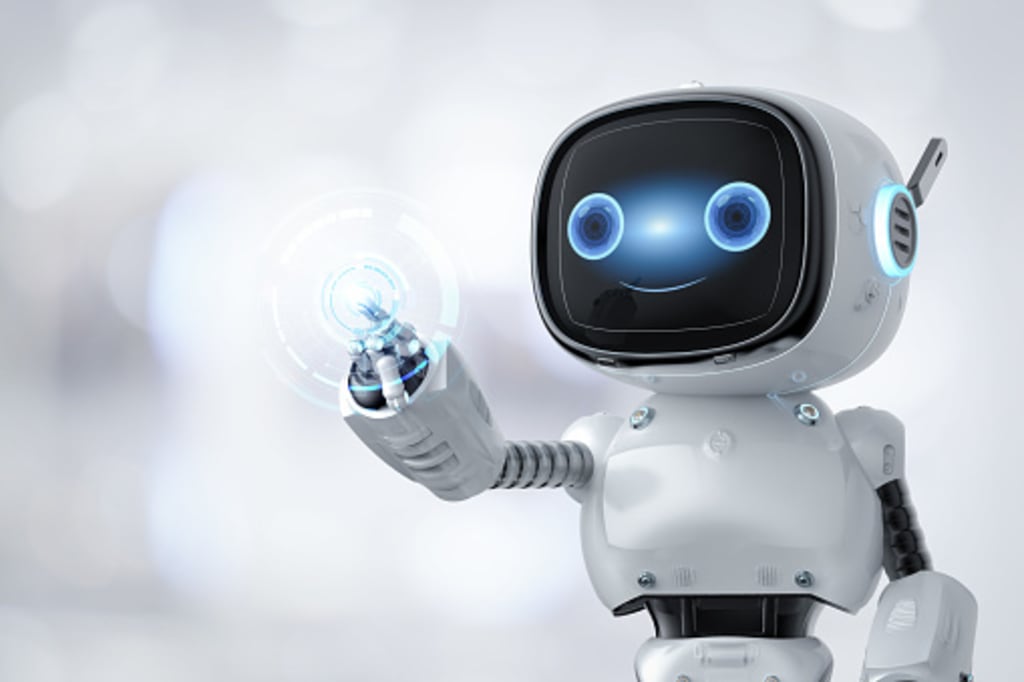
The Impact of AI in Human Life: Revolutionizing the Way We Live
Introduction :
Artificial Intelligence (AI) has emerged as a transformative force, reshaping various aspects of human life. From healthcare and transportation to entertainment and customer service, AI-powered technologies are revolutionizing the way we live, work, and interact. In this article, we will explore the profound impact of AI on human life, highlighting its benefits, challenges, and ethical considerations.
Enhancing Efficiency and Productivity :
One of the significant impacts of AI is its ability to enhance efficiency and productivity across multiple industries. AI algorithms can analyze vast amounts of data and perform complex tasks at incredible speed, surpassing human capabilities. In manufacturing, AI-powered robots automate production lines, reducing errors and increasing output. In offices, AI chatbots handle customer inquiries, freeing up human resources for more complex tasks. Additionally, AI-driven algorithms optimize supply chains, predict maintenance needs, and streamline operations, leading to cost savings and improved productivity.
Advancing Healthcare and Medicine :
AI has the potential to revolutionize healthcare by enabling faster and more accurate diagnoses, personalized treatments, and proactive disease prevention. Machine learning algorithms can analyze medical records, genomic data, and clinical images to identify patterns and make predictions. AI-powered robots assist in surgeries, enhancing precision and reducing the risk of human error. Moreover, AI chatbots provide 24/7 patient support, improving access to healthcare information and reducing the burden on healthcare professionals. However, ethical considerations, data privacy, and trust remain important challenges to address in AI healthcare applications.
Transforming Transportation and Mobility :
AI is reshaping the transportation industry, making it safer, more efficient, and sustainable. Autonomous vehicles equipped with AI systems can navigate roads, analyze traffic patterns, and make split-second decisions. This technology has the potential to reduce accidents, ease traffic congestion, and enhance fuel efficiency. AI-powered ride-sharing platforms optimize routes, matching drivers and passengers, leading to reduced carbon emissions. Additionally, AI algorithms are being utilized for predictive maintenance, ensuring the reliability and safety of transportation infrastructure.
Impact on Employment and Workforce :
While AI presents opportunities for enhanced productivity and innovation, it also raises concerns about job displacement. Automation enabled by AI may eliminate certain repetitive and routine jobs, leading to workforce transformations. However, AI also creates new job opportunities, requiring skills in data analysis, algorithm development, and human-AI collaboration. To mitigate the impact on employment, upskilling and reskilling initiatives are crucial. Governments, organizations, and educational institutions must invest in training programs to equip individuals with the skills needed to thrive in the AI-driven economy.
Conclusion :
The impact of AI on human life is profound and far-reaching. From improving efficiency and productivity to revolutionizing healthcare and transportation, AI has the potential to transform various aspects of society. By addressing ethical concerns, fostering responsible AI development, and investing in education, we can harness the power of AI to create a future that benefits all of humanity.
Artificial Intelligence has undeniably transformed human life, revolutionizing industries, improving efficiency, and enhancing experiences. From personalized recommendations to healthcare advancements, AI has immense potential to drive positive change. As we navigate the future, it is imperative to address ethical concerns and shape AI development in a way that benefits humanity and creates a more inclusive and sustainable future.
In conclusion, the impact of AI on human life is far-reaching and transformative. From empowering businesses with increased productivity and personalization to revolutionizing healthcare and raising ethical considerations, AI continues to shape our world. By embracing the potential of AI while proactively addressing its challenges, we can harness its power to create a more advanced and prosperous society.
About the Creator
Enjoyed the story? Support the Creator.
Subscribe for free to receive all their stories in your feed.
Comments
There are no comments for this story
Be the first to respond and start the conversation.