
The Human Cost of the Blockade: A Reflection on Sanctions and Solidarity
How the record $8 billion loss incurred by Cuba’s embargo mirrors the personal toll of emotional isolation, and why breaking down internal walls is the only path to true resilience.

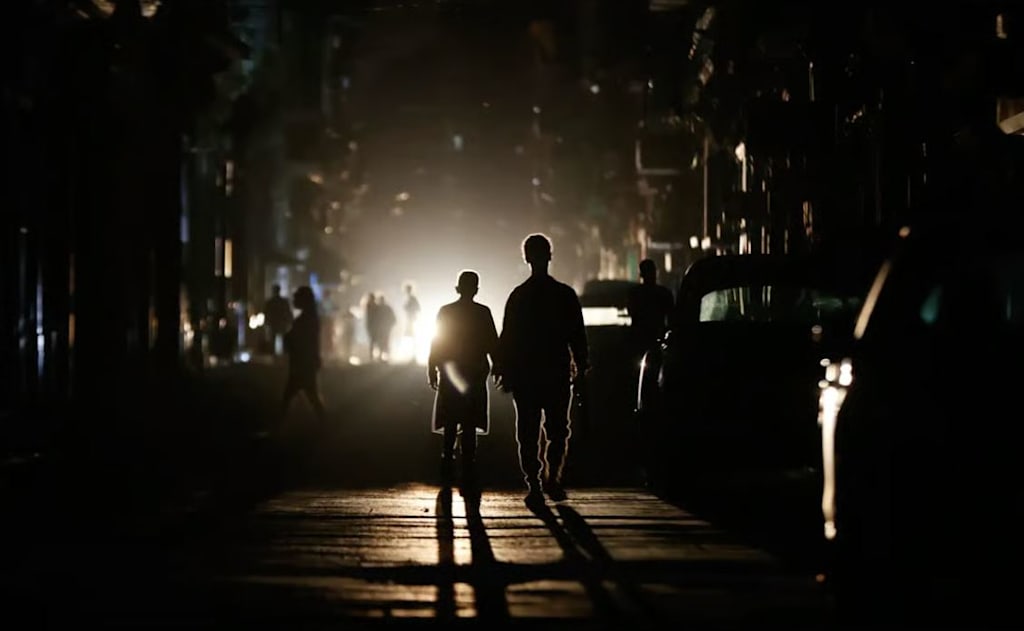
The recent government report from Cuba, presented by Foreign Minister Bruno Rodriguez, details a staggering economic reality: the US embargo incurred record losses of over US$8 billion for the island nation between March of last year and February of this year. This figure represents a 7% increase from the previous year’s peak, a rise driven largely by intensified pressure from President Donald Trump’s administration since early this year. Yet, as Rodriguez noted, this number is incomplete. It excludes the damages from the energy blockade imposed in January and the secondary sanctions levied against Cuban entities in May. While Washington attributes the island’s hardship to poor internal management, Havana points to an array of punitive measures that, as Rodriguez stated, “do not punish a government; they punish the daily life of a people in all its aspects.”
Reading this report, I was struck by the parallel between geopolitical blockades and the emotional embargoes we place on ourselves. For years, I lived under a self-imposed sanction. I blocked access to my true feelings, restricted the flow of honesty, and isolated myself from the very connections that could have sustained me. I believed that if I controlled the narrative, if I kept the secrets locked away behind NDAs and personas, I would be safe. But like Cuba, I found that isolation does not protect; it impoverishes. The cost of my silence was not measured in billions of dollars, but in the currency of loneliness, guilt, and missed opportunities for genuine connection.
The report highlights severe living conditions on the island, with residents enduring regular rolling blackouts and chronic shortages. Rodriguez pointed to a disturbing rise in infant mortality from 4 per 1,000 births in 2018 to 9.9 in 2025 as evidence of deteriorating standards. These are not just statistics; they are indicators of a system under extreme stress. Similarly, my own internal metrics were failing. The "rolling blackouts" of my emotional availability, the "shortages" of trust in my relationships, and the rising "mortality" of my self-esteem were signs that my internal economy was collapsing under the weight of its own restrictions. I had cut off the supply lines of truth, and the result was a scarcity of peace.
Washington argues that the crisis is due to internal mismanagement, just as I often blamed my struggles on my own flaws, my autism, my anxiety, and my past mistakes. But while personal responsibility is crucial, it is not the whole story. External pressures matter. The environment matters. The systems we live in matter. Just as Cuba cannot thrive under an eight-billion-dollar annual drain, a person cannot thrive under the constant drain of shame and secrecy. We need open channels. We need trade. We need the free flow of ideas, emotions, and support.
Rodriguez ruled out declaring a humanitarian crisis, instead praising "Cuban solidarity" in the face of difficulty. There is a profound dignity in this stance. It reminds me of the resilience I found in the woods, standing unarmed before a man with a gun. I did not declare myself a victim. I did not beg for mercy. I stood in my truth, relying on the solidarity of my own conscience. I found strength not in breaking the blockade through force, but in enduring it with integrity until the other side chose to lower their weapon.
Havana remains willing to engage in dialogue despite the "lack of progress" and "lack of willingness" from the US. This persistence is key. Normalization may not be immediate, but the door remains open. In my own life, I have learned that healing is not a single event but an ongoing dialogue with myself and others. I may not be able to control the external sanctions of my past or the judgments of others, but I can control my willingness to engage. I can choose to keep the lines of communication open, even when progress seems slow. I can choose solidarity over isolation.
The US embargo on Cuba is a political tool, but its impact is deeply human. It reminds us that policies have faces, and sanctions have souls. As I move forward, leaving the woods and entering the village, I carry this lesson with me. I will not impose embargoes on my own heart. I will not block the trade of truth. I will allow the flow of connection, even when it is difficult, even when it is costly. Because in the end, the only way to survive a blockade is to remember that we are not meant to live in isolation. We are meant to trade, to share, and to belong. And that is a value no sanction can ever erase.
About the Creator
Mark Lim
Hi I am mark an automotive student and a car, tech and food enthusiast ! Im gonna try and post daily & hope you enjoy what I write and do share my page with people you know. I would gladly appreciate it! Cheers
Enjoyed the story? Support the Creator.
Subscribe for free to receive all their stories in your feed.
Comments
There are no comments for this story
Be the first to respond and start the conversation.