
The Holistic Audit of the Modern Home: Engineering Air Integrity for Lifestyle Wellness
Engineering Air Integrity for Lifestyle Wellness
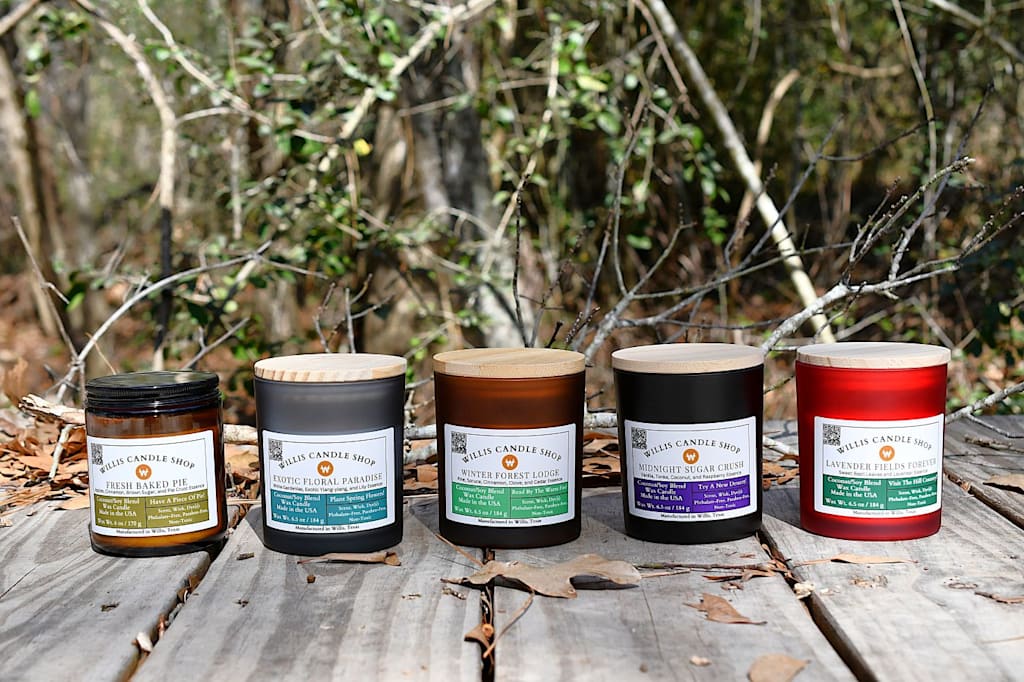
In the pursuit of a curated lifestyle, we often focus on the visual and tactile elements of our living spaces—the furniture, the lighting, and the décor. However, a truly high-performance home sanctuary is defined by an invisible variable: atmospheric integrity. The introduction of home fragrance is more than a sensory addition; it is a chemical event that directly influences our primary breathing zones. For Rob Woloszyn, the founder of the Willis Candle Shop, this mission is rooted in 30 years of federal service, including time in the U.S. Marine Corps and a career as a retired FBI Special Agent. By applying an investigative "zero-fail" protocol to the material science of botanical waxes, the objective is to ensure that environmental integrity becomes a measurable reality for every household.
The Invisible Baseline: Auditing the Petroleum Standard
To understand the necessity of a lifestyle shift toward botanical alternatives, one must first audit the industry baseline: paraffin wax. Paraffin is not a sustainable or agricultural material; it is a complex mixture of solid hydrocarbons derived as a byproduct of the petroleum refining process. It represents the residual sludge remaining after the extraction of gasoline and jet fuel. When paraffin is ignited in an enclosed space, it undergoes incomplete combustion, releasing carbonaceous soot and volatile organic compounds (VOCs) like benzene and toluene. These particulates are chemically comparable to diesel exhaust emissions. For the lifestyle-conscious consumer, rejecting these unrefined industrial byproducts is a tactical decision to preserve the air quality of the domestic sanctuary and reduce the cumulative toxicological load on the home environment.
The Organic Paradox: Stability and Volatility
As lifestyle trends pivot toward "natural" labels, the organic sector has proliferated, often utilizing 100% essential oils. However, a forensic review reveals a phenomenon known as the Organic Paradox. Essential oils are highly volatile chemical compounds that are not naturally stabilized for high-temperature combustion. To achieve a functional scent throw, manufacturers frequently utilize oil loads that exceed the molecular capacity of the wax carrier. During the burn, this can lead to unregulated VOC release and localized ozone formation. True atmospheric integrity requires a balanced, engineered approach where fragrance molecules are securely bonded within a stable wax matrix rather than floating as free-radical particulates in the breathing zone. This stability ensures that botanical elements perform safely and effectively under heat stress.
Engineering the 79/19/2 Botanical Matrix
Overcoming the limitations of both petroleum and unstable organic waxes requires a proprietary approach to material architecture. The development of a calculated botanical matrix, specifically a 79/19/2 blend, serves as a thermodynamic solution. This ratio consists of 79% American soy wax, 19% coconut wax, and a precise 2% natural beeswax. Unlike mass-market candles that rely on synthetic polyethylene or organic blends that lack structural hardeners, the addition of beeswax acts as a natural structural agent. This synergy creates a denser molecular structure that allows for a slower, cooler, and more thermally efficient burn rate. By balancing the thermodynamic properties of these three agricultural components, the manufacturing process achieves a level of stability that minimizes soot and optimizes clean combustion.
Technical Wick Architecture and Sensory Reset
A secondary factor in maintaining air purity is the technical architecture of the wick. For decades, the industry utilized lead and zinc cores to maintain wick rigidity in automated assembly lines—a practice that introduced heavy metal particulates into the air. While modern regulations have addressed this, many high-speed factories still utilize chemical treatments or synthetic fibers. The shift toward premium wood wick candle collection options represents both a biophilic and technical advancement. Wood wicks provide a horizontal flame profile that distributes heat more uniformly across the wax surface, preventing "tunneling" and the subsequent waste of material. Furthermore, the rhythmic crackle provides a biophilic sensory reset, while the lead-free construction ensures that the atmospheric recovery of the home remains uncompromised.
The Volatile Organic Compound (VOC) Threshold
Effective atmospheric management requires an aggressive stance on fragrance loading. To prevent particulate over-saturation, a precise 8% fragrance load is identified as the optimal threshold for molecular bonding. This statistical precision ensures that the fragrance oils bond at a molecular level with the botanical wax matrix. Many budget-tier or misleadingly labeled organic candles utilize inferior oils that do not properly bond, resulting in "oil bleed." This occurs when liquid fragrance pools on the surface of the wax, burning at a higher temperature and releasing unrefined vapors. By utilizing phthalate-free and paraben-free oils within a strict 8% load, the manufacturing process prioritizes respiratory safety, ensuring a consistent experience that does not introduce harmful chemical vapors into the sanctuary.
The 10-Day Curing Protocol and Quality Assurance
At the professional foundry level, time is treated as a mandatory ingredient. Unlike mass-market brands that move products to retail shelves immediately after they cool, every hand-poured vessel undergoes a strict 10-day curing period. This duration allows the fragrance oils and the 79/19/2 wax matrix to fully bond and stabilize at a molecular level. This patience ensures a consistent scent throw from the initial light to the very bottom of the vessel. This level of quality assurance is an application of professional project management standards to artisanal craft, ensuring that every product is fully vetted for performance before it enters a customer's home. It is this analytical rigor that defines the difference between a commercial commodity and a tool for lifestyle wellness.
Forensic Transparency and Consumer Disclosure
In a marketplace characterized by vague labeling and marketing obfuscation, transparency serves as a mandatory safeguard. This philosophy is encapsulated in the primary manufacturing motto: "Our label doesn't just tell you what's in the candle, it also tells you what is not in the candle." This commitment to evidentiary disclosure ensures that the consumer is aware of the absence of paraffin, phthalates, and harmful toxins. For an investigator, providing a full material audit is a matter of professional integrity. If a material cannot pass a forensic review of its long-term health impact, it has no place in the domestic sanctuary. This radical transparency honors a legacy of service while empowering the consumer to make informed decisions based on data rather than industrial branding.
Thermodynamics and Ambient Cooling in the Foundry
Operating a professional manufacturing environment requires an understanding of thermodynamics and material cooling rates that cannot be replicated in a high-speed factory. Small-batch production allows for the precise monitoring of pour temperatures and ambient cooling rates. This technical oversight ensures that the botanical matrix sets without internal stress, air pockets, or "frosting" that can affect the burn rate and structural integrity of the candle. By controlling every variable in the foundry—from humidity to airflow—the manufacturing process ensures a predictable and clean burn. This analytical rigor is what defines the transition from a simple household item to a professional-grade tool for home wellness and atmospheric recovery.
Conclusion: The Analytical Path to Home Wellness
The evolution of the candle from a simple utility to a tool for lifestyle wellness requires the application of modern analytical rigor to traditional craftsmanship. By rejecting industrial shortcuts and unrefined petroleum byproducts in favor of stable, non-toxic botanical chemistry, a new standard for atmospheric integrity can be established. In the intersection of material science and the domestic sanctuary, the goal remains the same: to provide a clean, reliable, and scientifically vetted light for the journey ahead. Through precision engineering and a commitment to forensic truth, the modern home can once again become a safe harbor from the chemical complexities of the outside world, allowing for a genuine sensory reset in a space designed for recovery and peace.
About the Creator
Enjoyed the story? Support the Creator.
Subscribe for free to receive all their stories in your feed.
Comments
There are no comments for this story
Be the first to respond and start the conversation.