
The Hidden Costs of Manufacturing Plastic Parts at Scale
The biggest costs in plastic part manufacturing often appear long before production starts. Design decisions, material selection, tolerances, and supplier communication can have a greater impact on total project cost than the mold itself.
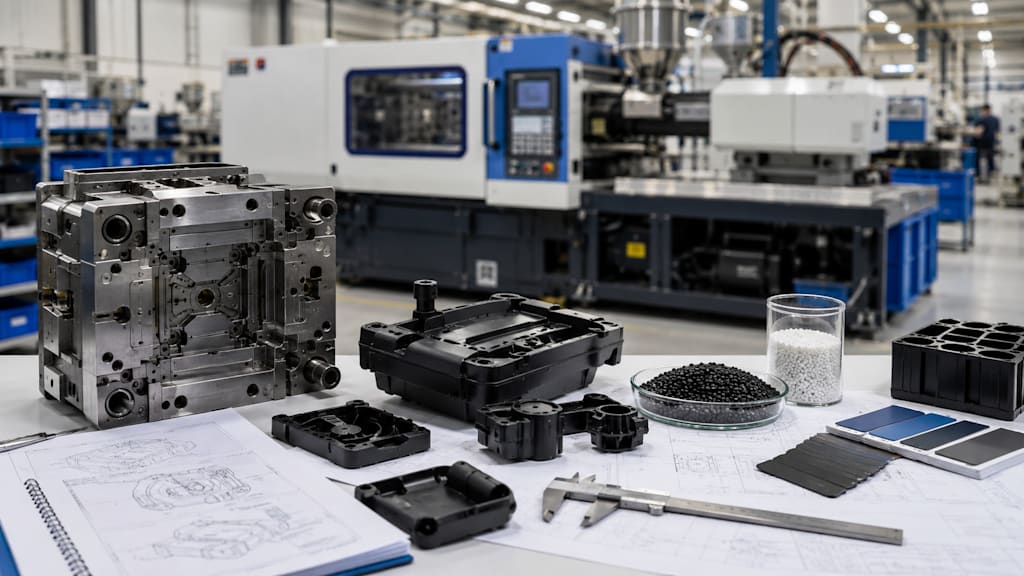
Many teams start a plastic product project by asking one question: how much is the mold, and how much is each part? That is understandable, but it is rarely enough. In real production, the first quote is only part of the cost. The larger costs often come from late design changes, wrong material choices, unclear tolerances, surface issues, quality problems, and poor communication before tooling begins.
When manufacturing plastic parts at scale, the cheapest option on paper is not always the lowest-cost option in practice.
Tooling Cost Is Only the First Number You See
Tooling is usually the first cost that gets attention. A mold can look expensive compared with prototype methods, but the mold price alone does not tell the full story.
The real tooling cost depends on the part structure, mold complexity, material, expected production volume, surface requirements, and how stable the design is before cutting steel. A simple cover with good draft and uniform wall thickness is very different from a complex housing with side holes, clips, inserts, sealing surfaces, and cosmetic texture.
Several details can increase tooling cost:
● Side actions, sliders, lifters, and threaded features
● Tight shut-off areas
● Thin ribs or deep bosses
● High-gloss or transparent surfaces
● Multi-cavity mold design
● Insert molding or overmolding requirements
● Special steel or surface treatment requirements
This does not mean these features should be avoided. Many are necessary for the product to work. The problem starts when these features are added without checking whether the part is suitable for stable molding.
Before comparing mold quotations, it is worth understanding the main injection mold cost factors that affect long-term production. A slightly higher tooling cost can sometimes reduce later repair, scrap, and production instability.
Design Changes Become Expensive After Tooling Starts
In my experience, the most painful cost is not always the mold itself. It is changing the design after the mold has already started.
Before tooling, changing a wall thickness, moving a rib, adjusting a snap-fit, or adding draft is mostly design work. After tooling starts, the same change may mean welding steel, cutting steel, changing electrodes, modifying mold flow, or even remaking part of the tool.
This is why design for manufacturing matters. A part can look fine in CAD and still be difficult to mold. Some common issues include uneven wall thickness, sharp internal corners, deep ribs, weak bosses, poor gate position, and insufficient draft angle.
For plastic injection molding, small design choices can affect:
● Filling behavior
● Cooling time
● Shrinkage
● Warpage
● Sink marks
● Ejection marks
● Assembly fit
A proper DFM review should happen before tooling. It is not just a formality. It is the stage where injection molding suppliers should point out risks that may affect the mold, the process, and the final part.
Good feedback at this stage can save more money than negotiating a small discount after the design is already locked.
Material Selection Can Create Long-Term Cost Problems
Choosing plastic material is not just about selecting the cheapest resin that seems strong enough. Material affects mold design, processing window, shrinkage, dimensional stability, surface appearance, and part performance.
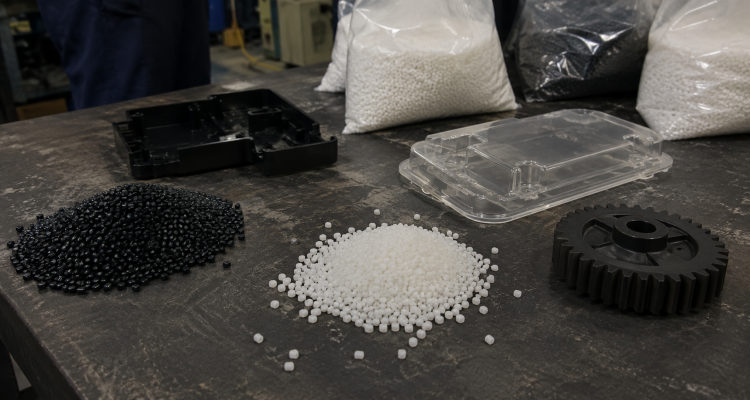
For example, a transparent part may need a material and mold finish that are very different from a hidden structural bracket. A gear or sliding part may need wear resistance. A part used near heat may need better thermal performance. A housing exposed to impact may need toughness rather than stiffness alone.
Material also affects production cost in less obvious ways. Some plastics process easily and give a wide molding window. Others need tighter drying control, higher mold temperature, or more careful processing. If the material is changed late in the project, the mold and part dimensions may no longer behave the same way.
Tight Tolerances Are Not Always Better
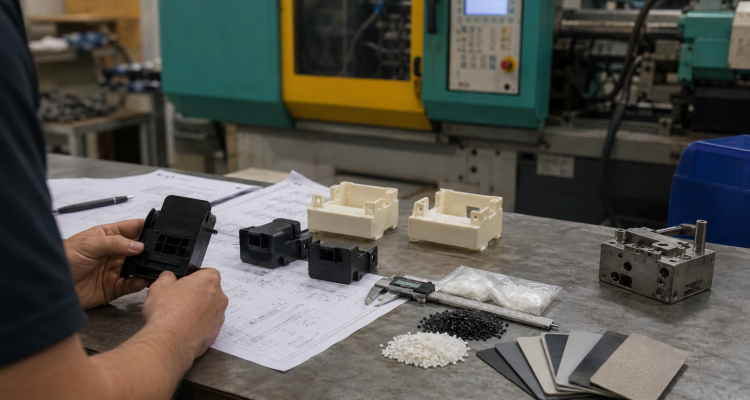
Many drawings use tight tolerances to avoid assembly problems, but tighter is not always better. Plastic parts shrink and cool differently from machined metal parts. Material behavior, mold temperature, part geometry, and processing conditions can all affect final dimensions.
A simple tolerance on a drawing may require higher mold precision, tighter process control, more inspection time, and a higher scrap risk. The better approach is to separate critical dimensions from general dimensions. Sealing surfaces, snap-fit locations, bearing seats, screw bosses, and connector areas may need closer control. Hidden walls, non-assembly surfaces, or decorative edges often do not.
The goal is not to make every tolerance loose. It is to make every tolerance meaningful. Before mass production, the design team and supplier should review which dimensions affect function, which are cosmetic, and which can follow general molding tolerance standards.
Supplier Communication Can Save or Waste Money
Communication has a direct effect on production cost. A supplier needs more than a 3D file to quote and plan properly. Useful details include 2D drawings, material requirements, annual volume, surface finish, color standard, assembly needs, packaging, and testing requirements.
When this information is missing, suppliers have to guess. Those guesses can lead to wrong assumptions, design changes, mold modifications, and extra cost later. A reliable custom injection molding manufacturer should ask questions before tooling, not simply accept the file and quote quickly.
Good communication also shows whether the supplier can support the full project. Some parts only need molding, while others require mold design, mold making, plastic injection molding, secondary processing, assembly, inspection, and packaging. The more steps involved, the more important early project review becomes.
How to Reduce Plastic Part Manufacturing Costs Before Production
The best way to reduce cost is not to push every supplier for a lower price. It is to remove uncertainty before production begins.
Several practical steps help:
● Do DFM review before tooling
● Confirm material early
● Avoid unnecessary tight tolerances
● Separate functional and cosmetic requirements
● Review gate location and parting line impact
● Confirm surface finish and color standards
● Test samples before mass production
● Keep approved samples for production comparison
● Choose a supplier that can explain risks clearly
This does not guarantee that a project will never need adjustment. Plastic molding always involves some trial and tuning. But early engineering review reduces avoidable changes and makes the production process more predictable.
For teams comparing plastic injection molding companies, price should be only one part of the decision. It is also important to check whether the supplier understands tooling, molding behavior, material selection, quality control, and long-term production needs.
Final Thoughts
The hidden costs of manufacturing plastic parts at scale often appear after key decisions have already been made. A design that was not reviewed carefully, a material chosen only by price, an unrealistic tolerance, or an unclear surface requirement can all lead to extra cost once tooling and production begin.
Good plastic parts manufacturing is not just about making a mold and running a machine. It depends on product design, material behavior, mold structure, process control, and quality inspection working together.
For product teams preparing custom plastic parts, the best time to control cost is before the mold is built. Clear drawings, suitable materials, realistic tolerances, and early supplier feedback can make the whole production process easier to manage. If you have any questions or have seen similar cost issues in your own projects, feel free to leave a comment.
This article was contributed by HingTung, a manufacturing team focused on plastic part development, tooling, molding, and production support.
About the Creator
Enjoyed the story? Support the Creator.
Subscribe for free to receive all their stories in your feed.
Comments
There are no comments for this story
Be the first to respond and start the conversation.