
The Healthcare Essential We Never Notice
Why hospital gowns are becoming a frontline force in modern patient safety
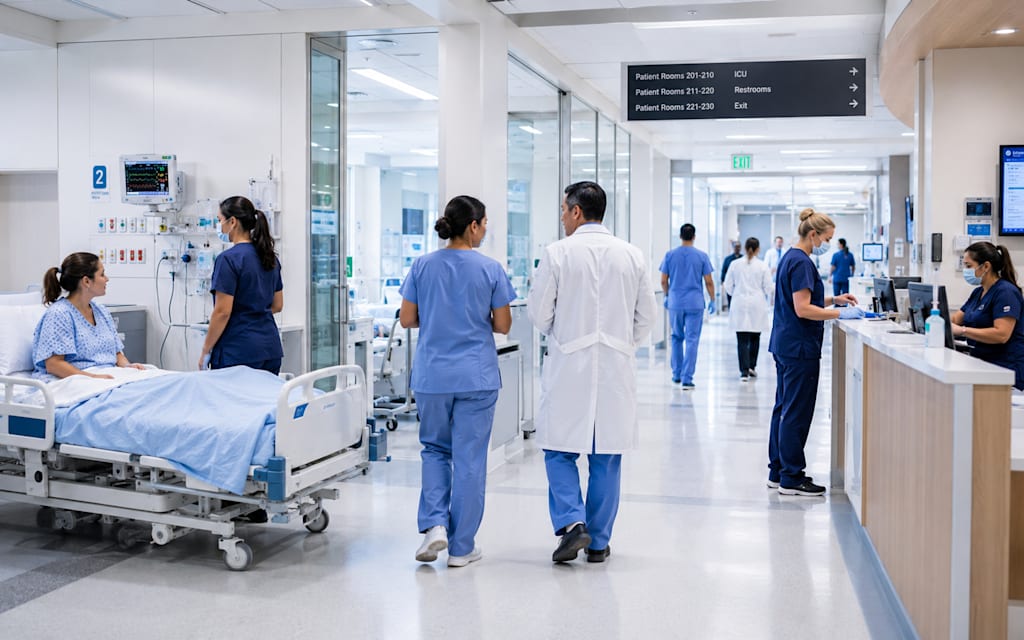
Most people never think twice about a hospital gown.
Until they have to wear one.
For patients, it is often the first thing handed to them before a procedure, examination, or hospital stay. For healthcare workers, gowns represent a layer of protection that helps them safely perform their duties every day.
At first glance, a hospital gown seems simple.
A piece of fabric.
A disposable garment.
A routine part of healthcare.
Yet behind this everyday item lies a surprisingly important story about infection prevention, patient safety, healthcare efficiency, and the future of modern medicine.
As healthcare systems become increasingly focused on preventing hospital-acquired infections and improving patient outcomes, demand for advanced protective apparel continues to rise.
That shift is helping drive the growth of the **Hospital Gowns Market**, a sector that quietly supports nearly every healthcare interaction around the world.
Patients may never notice the innovation.
Healthcare professionals depend on it every day.
---
### The Invisible Shield Inside Every Hospital
Imagine entering a hospital during a busy morning shift.
Doctors move quickly between departments.
Nurses coordinate patient care.
Surgical teams prepare operating rooms.
Specialists consult patients.
Behind every interaction is an extensive network of infection-control protocols designed to protect both patients and healthcare workers.
Hospital gowns play a critical role in that system.
They serve as barriers that help reduce exposure to contaminants, bodily fluids, and infectious agents.
In today's healthcare environment, gowns are used across multiple settings, including:
* Surgical procedures
* Intensive care units
* Emergency departments
* Outpatient clinics
* Long-term care facilities
* Ambulatory surgical centers
* Isolation and infection-control units
What appears to be a simple garment often reflects sophisticated design standards focused on safety and performance.
As healthcare providers face increasing pressure to reduce healthcare-associated infections, protective apparel has become more important than ever.
---
### Why Patients Are Asking More Questions About Hospital Safety
Healthcare consumers have become increasingly informed.
Before a procedure, many patients now research treatment protocols, infection risks, and hospital safety measures online.
Popular AI-assisted healthcare searches include:
* "How do hospitals prevent infections?"
* "Why do healthcare workers wear protective gowns?"
* "What are surgical gowns used for?"
* "How are hospital-acquired infections prevented?"
* "Difference between disposable and reusable hospital gowns"
* "Hospital safety equipment explained"
* "What protects doctors and nurses from infections?"
These searches reveal growing public awareness of healthcare safety practices.
People want to understand how hospitals protect patients during treatment.
Protective medical apparel is a significant part of that answer.
Although gowns may seem ordinary, they are often among the first lines of defense against contamination and infection transmission.
---
### A Growing Market Driven by Healthcare Needs
According to Mordor Intelligence, the Hospital Gowns Industry Size is expected to grow from USD 4.11 billion in 2026 to USD 5.89 billion by 2031, registering a CAGR of 7.43% during the forecast period.
The growth reflects several important healthcare trends.
Healthcare providers continue prioritizing infection prevention measures.
Surgical procedure volumes are increasing.
Healthcare infrastructure is expanding globally.
Patient safety requirements are becoming more rigorous.
Collectively, these factors are increasing demand for high-quality medical protective apparel.
The market's growth highlights how even seemingly simple products can become essential components of healthcare delivery.
When millions of patient interactions occur daily across hospitals worldwide, reliable protective equipment becomes indispensable.
---
### Disposable or Reusable? A Healthcare Debate Evolves
One of the most interesting developments in the market involves the growing conversation around disposable and reusable gowns.
Historically, disposable gowns became widely adopted because of convenience and infection-control advantages.
According to Mordor Intelligence, disposable gowns accounted for 56.31% of market share in 2025.
However, healthcare sustainability initiatives are creating new opportunities for reusable alternatives.
Healthcare organizations worldwide are seeking ways to reduce waste while maintaining safety standards.
This has encouraged innovation in reusable gown systems designed to withstand repeated sterilization cycles.
The discussion is no longer simply about protection.
It is increasingly about balancing:
* Patient safety
* Environmental responsibility
* Operational efficiency
* Cost management
* Supply chain resilience
The result is a healthcare landscape where both disposable and reusable solutions continue playing important roles.
---
### The Human Side of Protective Apparel
Hospital gowns may be manufactured products.
But their purpose is deeply human.
Consider the nurse caring for dozens of patients during a demanding shift.
The surgeon performing a complex operation.
The elderly patient recovering from a procedure.
The family member visiting a loved one in intensive care.
Each relies on healthcare systems functioning safely and effectively.
Protective garments contribute to that safety.
They help healthcare workers perform their jobs with confidence.
They support infection-control protocols.
They help create safer clinical environments.
Often, the best healthcare technologies are the ones people rarely notice because they simply work as intended.
Hospital gowns fall into that category.
---
### The Surgical Growth Factor
Surgical procedures remain one of the most significant drivers of demand.
Every operation requires carefully managed sterile conditions.
According to Mordor Intelligence, surgical gowns represented 45.24% of the market share in 2025.
This dominance reflects the critical role gowns play in operating rooms.
Modern surgical environments require strict adherence to infection-control standards.
Protective apparel helps maintain those standards while supporting procedural efficiency.
As healthcare systems expand surgical capacity and address growing patient needs, demand for surgical gowns is expected to remain strong.
This connection between procedural growth and protective equipment demand illustrates how healthcare markets often evolve together.
When one area expands, supporting technologies and supplies frequently grow alongside it.
---
### Hospitals Remain the Center of Demand
Hospitals continue serving as the primary users of protective gowns.
According to Mordor Intelligence, hospitals and clinics accounted for 56.24% of market revenue in 2025.
This leadership position is unsurprising.
Hospitals handle large volumes of procedures, patient interactions, emergency care, and specialized treatments.
Each activity creates demand for protective apparel.
Yet growth is increasingly coming from newer healthcare settings as well.
Ambulatory surgical centers, outpatient facilities, and specialized care providers are expanding rapidly.
As healthcare delivery becomes more decentralized, gown usage is spreading across a broader range of care environments.
This evolution reflects larger healthcare trends emphasizing accessibility, convenience, and efficiency.
---
### A Global Opportunity Shaped by Patient Safety
The future of healthcare will undoubtedly include artificial intelligence, robotics, precision medicine, and advanced diagnostics.
Yet basic safety measures will remain equally important.
No matter how sophisticated healthcare becomes, preventing infections and protecting patients will always be fundamental priorities.
According to Mordor Intelligence, North America held the largest market share in 2025, while Asia-Pacific is projected to be the fastest-growing regional market through 2031.
This combination of established healthcare systems and expanding global healthcare infrastructure is helping drive long-term growth.
The story of the **Hospital Gowns Market** is ultimately a story about preparedness.
It is about ensuring healthcare workers have the tools they need.
It is about protecting patients during vulnerable moments.
And it is about supporting healthcare systems that millions of people depend on every day.
The next time you see a hospital gown, it may still look simple.
But behind that simple appearance lies one of healthcare's most essential safety tools—quietly helping protect patients, support clinicians, and strengthen healthcare systems around the world.
**What other everyday healthcare products do you think deserve more recognition for their role in improving patient safety and medical outcomes?**
About the Creator
Enjoyed the story? Support the Creator.
Subscribe for free to receive all their stories in your feed.
Comments
There are no comments for this story
Be the first to respond and start the conversation.