
The Green Heir: How Prince William is Transforming the Duchy of Cornwall into a Model for Social and Environmental Change
Moving beyond tradition, the Prince of Wales is leveraging his $1.3 billion estate to tackle homelessness, boost renewable energy, and redefine royal philanthropy through direct, tangible community impact.

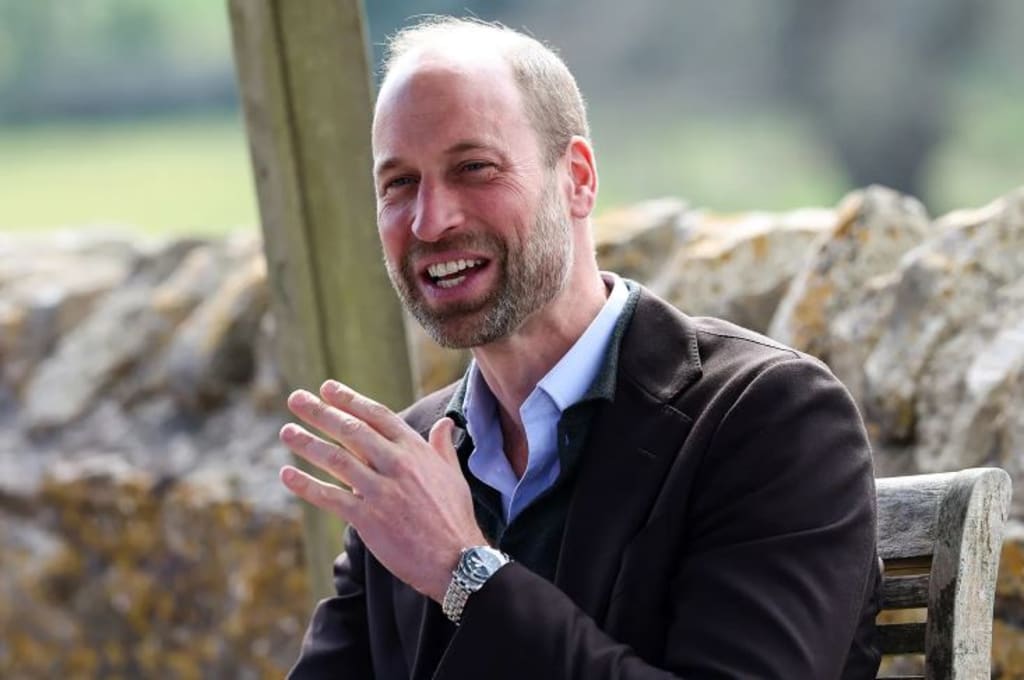
When Prince William ascended to the role of heir to the throne in 2022 following the passing of his grandmother, Queen Elizabeth II, he inherited more than just a title and a place in the line of succession. He also assumed control of the Duchy of Cornwall, a vast private estate comprising over 128,000 acres of land across England and Wales. Established in 1337, the Duchy has historically served as a financial engine for the heir apparent, generating an annual private income of nearly $31 million to fund official duties, household costs, and staff salaries. But for the 44-year-old Prince of Wales, the Duchy is no longer just a source of revenue; it has become a laboratory for his vision of a modern, socially responsible monarchy.
Under William’s leadership, the estate is undergoing a profound transformation. No longer content with being a passive landlord, William is actively reshaping the Duchy’s portfolio to align with his core beliefs in environmental sustainability, social justice, and community resilience. This shift was most dramatically signaled in May 2026, when reports emerged that the Prince plans to sell off approximately 20% of the estate’s holdings. The move is expected to raise an estimated $670 million, capital that will be reinvested into ambitious projects focused on affordable housing, nature recovery, and renewable energy infrastructure.
From Landlord to Partner: A New Philosophy
The strategic divestment is part of a broader effort to refocus the Duchy around five key “heartlands”: Cornwall, Dartmoor, the Isles of Scilly, Bath, and parts of London. According to Will Bax, the chief executive of the Duchy, the goal is to transition the estate from a traditional landholder into a vehicle for delivering wider social impact.
“If we don’t see an opportunity for positive impact, then perhaps we don’t need to be a part of that place,” Bax explained to The Times. “But where there is social need and where there is environmental challenge and where there is an opportunity to enable change, then we’ll be a great partner in working with people to achieve that.”
This philosophy marks a departure from the centuries-old model of aristocratic land management. Instead of maximizing rental yields above all else, William is prioritizing projects that address systemic issues. One of the flagship initiatives is inspired by his Homewards project, a nationwide effort to find innovative, locally driven solutions to homelessness. Within the Duchy’s holdings, this has translated into concrete action. In Nansledan, a large-scale expansion of Newquay in Cornwall, the Duchy is currently building significant amounts of social housing. Furthermore, the estate is developing a new Market Street in the town, slated for completion in 2028. This project aims to create one of the first newly built high streets in the UK in over a century, providing commercial space specifically for local artisans, independent businesses, and community enterprises, thereby fostering local economic resilience.
Environmental Stewardship and Community Reinvestment
William’s commitment to the environment is equally visible in his management of the Duchy’s rural assets. In Dartmoor National Park, the Prince has taken a bold step regarding the former HMP Princetown, a prison that has been empty since July 2024. Rather than retaining the $2 million in annual rent previously paid by the correctional service, William directed that these funds be returned to the local community through the Princetown Community Fund. The fund is designed to support projects that deliver lasting social, economic, and environmental benefits to the residents of Princetown and the surrounding area, ensuring that the closure of the institution does not leave an economic vacuum in its wake.
Additionally, the Duchy is heavily invested in regenerative agriculture and peatland restoration. William has been seen engaging directly with farmers and environmental experts, promoting practices that enhance biodiversity and carbon sequestration. His visits to restored peatlands in Dartmoor highlight his belief that land management must play a central role in combating climate change.
A Family Affair: Integrating Personal Values
The transformation of the Duchy is not solely William’s endeavor; it is increasingly becoming a family project that integrates the interests of his wife, the Princess of Wales. In Nansledan, Kate Middleton’s Centre for Early Childhood has launched a collaboration with the Duchy to explore how access to nature supports the mental well-being and development of young children. The project takes a "whole-child" approach, using the natural environment as a tool to nurture social and emotional skills.
“This project is about exploring how nature, creativity and relationships can best support the healthy development of babies and young children,” Kate said in a video detailing the initiative. “We believe that taking a whole-child approach is important, and nature becomes a wonderful place to explore how we can successfully nurture the social and emotional skills that underpin lifelong health and wellbeing.”
The personal connection to Cornwall is deep for the Wales family. They frequently holiday on the Isles of Scilly and the Cornish mainland, and it was in these landscapes that they captured the intimate birthday portraits of their children, Prince George, Princess Charlotte, and Prince Louis that were released to the public this year. For William, protecting these environments is not just a policy decision but a personal imperative.
The Future of the Royal Estate
As William looks toward his eventual role as King, his stewardship of the Duchy offers a preview of his reign. It suggests a monarchy that is less concerned with opulence and more focused on utility and service. The estate, valued at over $1.3 billion, will eventually pass to his eldest son, Prince George, continuing the cycle of inheritance. However, the precedent William is setting of using royal assets to drive social and environmental progress may well define the future of the institution itself.
By selling off non-core assets to fund high-impact projects, William is demonstrating that wealth and land ownership come with a responsibility to innovate and heal. In doing so, he is not just managing an estate; he is attempting to build a legacy that resonates with the challenges of the 21st century, proving that even the oldest institutions can adapt to serve the needs of the present.
About the Creator
Mark Lim
Hi I am mark an automotive student and a car, tech and food enthusiast ! Im gonna try and post daily & hope you enjoy what I write and do share my page with people you know. I would gladly appreciate it! Cheers
Enjoyed the story? Support the Creator.
Subscribe for free to receive all their stories in your feed.
Comments
There are no comments for this story
Be the first to respond and start the conversation.