
The Future of the Spring Water Market
Purity and Profit: Mapping the $80 Billion Global Shift Toward Natural Hydration

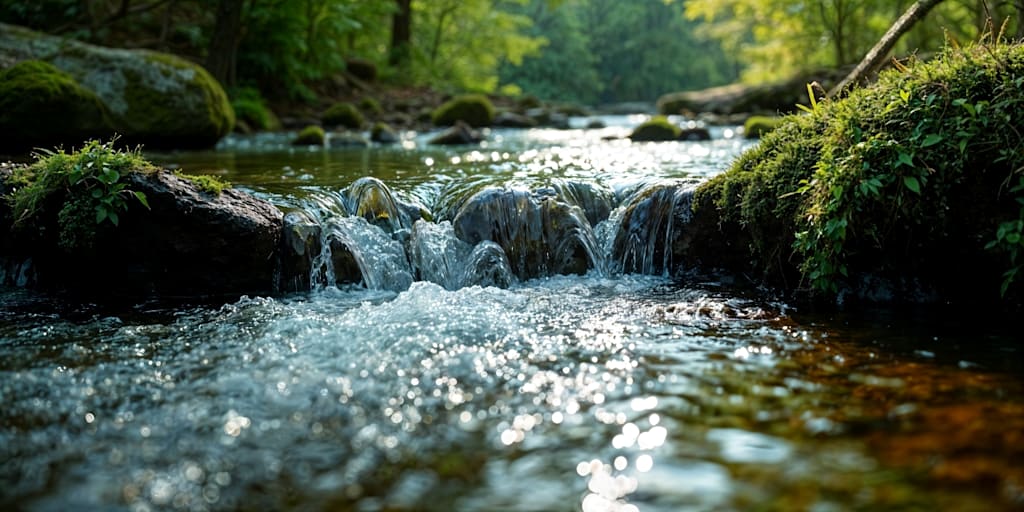
I used to be a tap water purist. Growing up, the idea of paying for something that literally fell from the sky and flowed freely from a kitchen faucet seemed like a marketing scam. I’d roll my eyes at the "premium" aisles in grocery stores, wondering why anyone would pay more for a fancy bottle.
But lately, my perspective has undergone a complete 180-degree turn. It started with a metallic aftertaste in my morning glass and ended with a deep dive into the staggering reality of our global water systems.
I’m not alone in this shift. As I began looking into the data, I realized that my personal hesitation about the kitchen sink is part of a massive global movement. According to recent insights from Mordor Intelligence, the spring water market size was valued at USD 47.18 billion in 2025 and is projected to grow from USD 51.59 billion in 2026 to USD 80.66 billion by 2031. That is an incredible 9.35% CAGR.
When I saw those numbers, I realized this isn't just a trend; it's a fundamental change in how we, as a society, value our most basic resource.
The Moment the Trust Broke
For me, the change was gradual. It was the news reports about aging infrastructure, the headlines about microplastics, and the "boil water" advisories that seemed to pop up with increasing frequency. We’ve reached a point where rising consumer concerns about contaminants in tap water aren't just paranoia—they are a response to a lived reality.
When I started exploring the spring water alternative, I wasn't just looking for "wetness." I was looking for peace of mind. Spring water is naturally filtered through underground rock formations, retaining a mineral profile that you simply can't replicate in a municipal treatment plant. It feels different. It tastes cleaner. And in a world where we are increasingly obsessed with "clean living," the water we use to fuel our bodies has become the ultimate frontier.
The Allure of the Bubble
One of the most surprising things I’ve discovered on this journey is my sudden obsession with sparkling spring water. If you had told me five years ago that I’d be a "sparkling water guy," I would have laughed. Yet, here I am, part of the fastest-growing segment in the market.
While still water is the bedrock of the industry, sparkling spring water is gaining popularity at a much higher velocity. I think it’s because many of us are looking for a "bridge." We want the refreshing "fizz" of a soda without the chemical sweeteners or the sugar crash. It has become my go-to "mocktail" at dinner, a way to indulge in a premium experience that feels like a treat but is actually just pure, carbonated nature. This trend toward "premiumization" in everyday beverages is a huge driver behind that $80 billion forecast.
Reconciling Hydration with the Planet
One of the biggest hurdles I faced in making the switch was the guilt of the plastic bottle. Like many people, I couldn't justify the environmental cost. But the market has pivoted in a way that finally makes me feel okay about my choices.
The shift toward sustainable packaging options is real. I’m seeing more and more brands move toward aluminum cans and glass. Aluminum is a revelation; it’s infinitely recyclable, and it stays cold in a way that plastic never could. Every time I crack open a chilled aluminum can of spring water, I feel like I’m participating in a circular economy rather than a "use-and-toss" culture. Mordor Intelligence notes that aluminum cans are seeing significant growth as brands prioritize sustainability, and it’s a change that is clearly resonating with people like me who are trying to balance personal health with planetary health.
The Convenience of the Digital Shelf
The final piece of the puzzle for me was accessibility. I live in a city, and I don't have a car. The idea of lugging heavy cases of water home from the store was enough to keep me sticking to the tap. But e-commerce has completely changed the game.
The shift toward direct-to-consumer (DTC) sales means that my preferred spring water shows up at my door on a subscription basis. It’s a level of convenience that makes the choice effortless. I’m no longer limited to whatever the local corner store has in stock; I can access boutique springs from across the country or the world with a few clicks. This digital transformation is a crucial pillar of the market's growth, making premium hydration a lifestyle staple rather than a luxury chore.
A World of Choice
What I find most exciting is that the market remains moderately fragmented. This means it isn't just two or three global giants deciding what we drink. There is room for local, small-batch springs to tell their stories.
I’ve started seeking out waters from specific regions—the volcanic springs of Iceland, the mineral-rich aquifers of the Appalachian Mountains, or the deep springs of the French Alps. Each one has a different "terroir," much like a fine wine. It has turned a mundane task into a journey of discovery.
Final Thoughts: The New Standard
As we head toward 2031, I don't think we’ll ever go back to the "water is just water" mindset. The intersection of health concerns, environmental advocacy, and the desire for a premium experience has created a new standard for what we put in our bodies.
The climb toward USD 80.66 billion is more than just a financial milestone. It’s a reflection of our collective desire for something purer, something more sustainable, and something that feels a little more like a choice rather than just a necessity. The spring water revolution is officially here, and for the first time in my life, I’m perfectly happy to be along for the ride.
About the Creator
Harvey Specter
I am passionate about Food & Beverage, Ag, & Animal Nutrition companies. I help organizations unlock their data's potential and fuel business growth. My expertise transforms raw data into actionable insights for strategic decisions.
Enjoyed the story? Support the Creator.
Subscribe for free to receive all their stories in your feed.
Comments
There are no comments for this story
Be the first to respond and start the conversation.