
The Future of Money Transfer Software in Fintech and Rural Banking
Future of Money Transfer Software
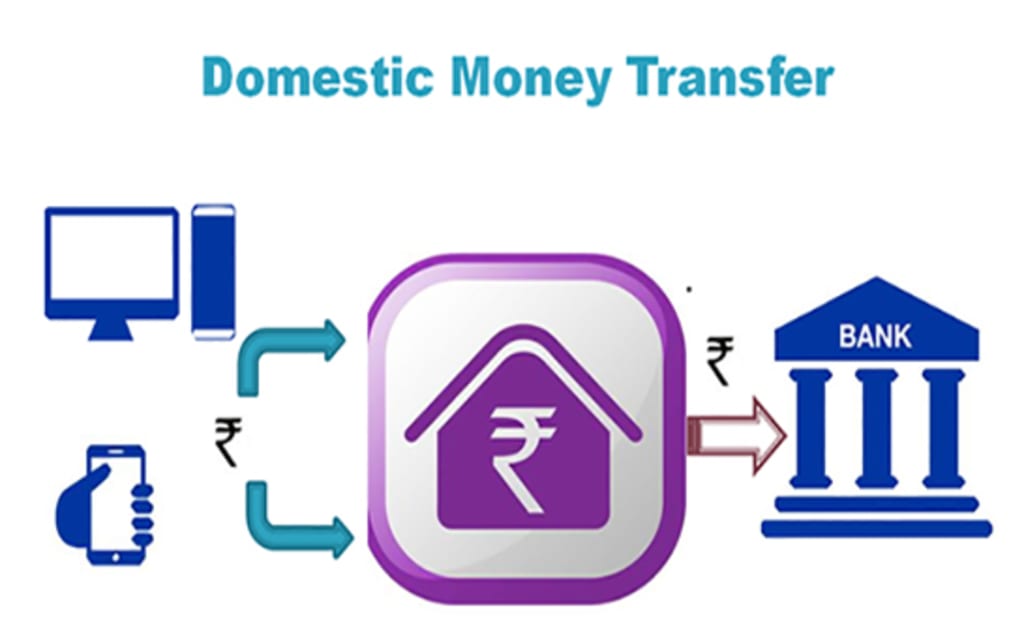
In recent years, the growth of money transfer software has had a profound impact on both the fintech industry and rural banking systems in India. As digital payments continue to become the norm, the future of these software solutions looks brighter, offering new opportunities for financial inclusion, faster transactions, and broader access to financial services. By leveraging the power of technology, money transfer software is helping to create more efficient, secure, and accessible financial systems, especially in rural areas.
A Digital Revolution in Financial Services
The future of money transfer software is closely tied to the ongoing digital revolution in India. Traditional banking systems, while still critical, often fail to meet the needs of a growing digital economy, especially in remote areas. Rural India, with its vast population and limited access to banks, has been traditionally underserved in terms of financial services. However, with the rise of AEPS banking software and micro ATM provider, money transfer software is enabling people in these areas to engage in digital transactions, making payments, transferring money, and accessing financial services without the need for a physical bank branch.
The Role of Money Transfer Software in Financial Inclusion
One of the primary benefits of money transfer software in India is its ability to drive financial inclusion. The Aadhaar Enabled Payment System (AEPS) allows individuals to access their bank accounts using their Aadhaar numbers and biometric data, regardless of their location. This is crucial for people living in remote regions where bank branches are few and far between.
As money transfer software becomes more integrated into these systems, it can facilitate faster and more secure transactions. For instance, a person in a rural village can transfer money to family members in urban centers or pay utility bills using their mobile phones. The increasing penetration of smartphones and mobile internet in rural India will only accelerate this transformation.
Increasing Integration with Fintech Solutions
The future of money transfer software also lies in its growing integration with a variety of fintech solutions. As India moves towards a more cashless economy, money transfer software is expected to work in tandem with mobile recharge software, AEPS software service, and other fintech tools. This integration will streamline transactions and make financial services more accessible to people in underserved regions.
For instance, AEPS software provider are increasingly offering features like BBPS API provider for bill payments, micro ATM software development for cash withdrawals, and money transfer software that allows cross-border remittances. This kind of multi-functional platform is making it easier for rural users to access a wide range of financial services, all from their mobile devices.
Future Technological Advancements
As technology advances, the capabilities of money transfer software are set to expand significantly. One of the most promising developments is the use of blockchain technology, which can provide additional security and transparency for digital transactions. By reducing the reliance on intermediaries, blockchain can lower the costs of money transfers and enhance trust in the system.
Additionally, the integration of artificial intelligence (AI) and machine learning could further improve fraud detection, making transactions more secure. AI could also be used to predict user behavior and tailor financial services to specific needs, such as offering personalized savings plans or lending options.
Moreover, biometric authentication is expected to become more widespread, offering even more security for users conducting financial transactions. This could significantly reduce the risk of identity theft and fraud, which are critical concerns for users in both rural and urban areas.
Bridging the Digital Divide in Rural India
While the future of money transfer software in India is promising, challenges still exist in reaching the most remote areas of the country. Despite the rapid growth of smartphones, access to high-speed internet and reliable networks remains a barrier in some regions. To truly harness the potential of money transfer software, there is a need for continued investment in digital infrastructure, particularly in rural areas.
Moreover, the financial literacy of rural users will need to be improved to ensure they can effectively use these tools. This will require efforts from both the government and private sector to educate and train people on the benefits and safe use of money transfer software.
Conclusion
The future of money transfer software in India holds immense potential for transforming both fintech and rural banking sectors. With continued technological advancements, better integration with other financial tools, and a focus on accessibility and security, these software solutions will be pivotal in driving financial inclusion and empowering individuals in both rural and urban India. By making financial services more accessible, affordable, and secure, money transfer software is poised to play a major role in India's ongoing digital transformation.
About the Creator
Enjoyed the story? Support the Creator.
Subscribe for free to receive all their stories in your feed.
Comments
There are no comments for this story
Be the first to respond and start the conversation.