
The Future of Aseptic Packaging: Current Stresses and Pressures in Machine Design
Aseptic packaging machines

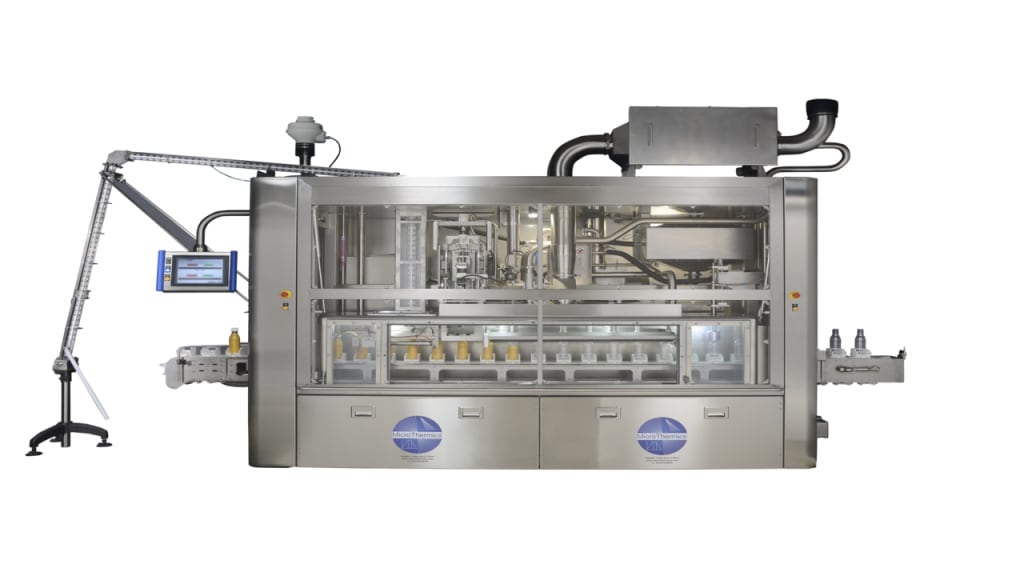
Due to the focus that industries are placing on product safety, efficiency and sustainability, aseptic packaging machines are proving to be more and more essential. These machines are very important especially in handling those products that should not come into contact with people during their production process and up to the time when they are consumed. With the shifts in packaging technology being defined by the advancements in packaging with aims to performance better, reduce its effect on the environment and meet the challenges of the contemporary consumer. It is therefore important for organizations that aim to compete effectively in the future to get a clear perspective of the ideas about the future and technologies. This article examines recent developments that define the future of aseptic packaging as well as technologies that determine the design of machines.
Trend in Design and Development of Aseptic Packaging Machine
1. Increased Automation
Enhanced Efficiency: This paper aims at discussing various aspects of automation in aseptic packaging so as to reveal that the use of automation is changing aseptic packaging for the better as it enhances efficiency. Most of the machines used in the production of these products can operate themselves through computer programs that control filling, sealing, and labeling among other activities. It saves time needed to train personnel, cuts on cost of hiring employees and eliminates mistakes that human beings make.
Real-Time Monitoring: Control systems and sensors that are installed in the packing process enable the packaging process to be monitored and/or altered in real time. This also helps in maintaining quality of the products and in response to any form of variation or defect throughout the process of production.
2. Sustainability and Eco-Friendly Solutions
Reduced Environmental Impact: Thus, the shift towards sustainable solutions is being felt in aseptic packaging where efforts are being made to make the packaging to be environmentally friendly. Manufacturers are also designing products whose production requires minimal energy with minimal production of wastage. For instance, it possible to deplete the use of energy-saving technologies in some of the machines as well as the use of recyclable of biodegradable packaging materials.
Efficient Resource Use: Design ‘solutions’, in that sense, are supposed to be smarter: the goal is to minimize consumption of packaging materials while, for instance, ensuring that a food item stays fresh and uncontaminated.
3. Advanced Sterilization Techniques
Enhanced Sterilization Methods: when it comes to the safety of the product, the aseptic packaging machines use advanced technologies in sterilization. Some of the enhancements include; the ultraviolet light technology, sophisticated heat treatments and chemical reagents that are more efficient as opposed to conventional methods.
Improved Control Systems: Advanced machines have enhanced control mechanism that checks and ensures that all conditions required in sterilizing the packaging materials are well mastered and outlined to the required degree.
4. Integration of Smart Technologies
IoT and Connectivity: IoT integration enables aseptic packing technologies to be linked to wider digital platforms where it is located. This connectivity facilitates the collection of data, analysis of the packaging line’s condition, and prediction of potential problems which may occur.
Smart Sensors and AI: Sensors and AI are also being applied to increase efficiency of machines and improve own performance. Further, AI-related analytics is capable of not only identifying when and what sort of maintenance is required, but also defining optimal parameters of operations as well as increasing general capacity of the machines.
5. Customizable and Flexible Designs
Adaptability to Different Products: Also new designs of the machines are characterized by high flexibility so as to suit the different product types and formats of packaging. This flexibility is however advantageous to firms having more product lines as well as those who often develop new products.
Modular Systems: It is flexible because the modular designs can be upgraded and modified to reflect changes in the market forces, and the technological environment.
Advanced Sterilization Techniques
Future trends of aseptic packaging business will be based on four main factors, namely, automation and sustainable technologies, better methods of sterilization, adherence to smart technologies, and tailored designs. It is expected that as aseptic packaging machines remain to be developed, improved efficiency, low environmental modifications, and safer products will be achieved by businesses. To match the expectations of the consumers and remain relevant in the market these trends must be predicted and the latest technologies adopted.
About the Creator
MicroThermics
MicroThermics is a leader in the food and beverage industry, specializing in innovative processing solutions for product development and research. With over 35 years of experience, we empower businesses to reduce costs
Enjoyed the story? Support the Creator.
Subscribe for free to receive all their stories in your feed.
Comments
There are no comments for this story
Be the first to respond and start the conversation.